
Fusion Windows and Doors Logo

When to Replace Windows: 8 Signs, Lifespan by Material, and Repair vs. Replace

Window replacement costs
sliding windows

This guide covers everything you need to make a confident decision about your home’s windows: how long different window materials actually last, eight signs that indicate replacement is overdue, how to tell when a repair is enough versus when it isn’t, and what Southern California’s climate does to windows that most guides don’t mention. If you’re weighing whether to replace your windows, this is where to start.

How Long Windows Last by Material

Window lifespan varies significantly by frame material. These are realistic ranges based on average installation quality and maintenance, not manufacturer best-case scenarios.

Frame MaterialTypical LifespanSouthern California Factor
Vinyl20 to 40 yearsUV exposure degrades cheaper vinyl faster
Fiberglass30 to 50 yearsPerforms well across all SoCal climate zones
Aluminum (standard)15 to 25 yearsSalt air accelerates corrosion on coastal properties
Aluminum (thermally broken)25 to 40 yearsHolds up well with quality powder-coat finish
Wood10 to 20 yearsHigh maintenance demand in heat and humidity

A few things the table doesn’t capture: builder-grade windows, regardless of material, often fall at the bottom of these ranges or below them. Many homes built in the 1990s and early 2000s have builder-grade vinyl or aluminum windows that are already underperforming. Age alone isn’t the trigger for replacement, but age combined with any of the signs below almost always is.

8 Signs It’s Time to Replace Your Windows

Condensation or Fog Between the Panes

This is the clearest sign of window failure there is. When you see moisture or fogging between the panes of a double or triple-pane window, the seal has failed. The insulating gas, usually argon, has escaped and the thermal barrier between the panes is gone.

There is no repair for a failed seal. The glass unit needs to be replaced, and depending on the age and condition of the frame, full window replacement is often the more cost-effective path. Don’t confuse this with condensation on the interior or exterior surface of the glass, which is a humidity issue, not a seal failure.

Drafts and Air Leaks Around the Frame

Drafts have two causes: deteriorated weatherstripping or caulk, and frame failure. The first is repairable. The second isn’t.

Run your hand around the frame on a windy day. If you feel air moving near the edges of the sash, weatherstripping is likely the issue and can be replaced inexpensively. If you feel air coming through the frame itself, or if the frame has visibly separated from the surrounding wall, the window is structurally compromised and needs replacing.

Rising Energy Bills With No Other Explanation

Inefficient windows let heat in during summer and let conditioned air out year-round. In Los Angeles, where cooling costs dominate the utility bill, degraded windows can add 10 to 25% to monthly energy costs.

If your energy costs have been climbing and nothing else in your home has changed, your windows are a likely contributor. Older single-pane windows and double-pane units with failed seals or no Low-E coating are the main offenders. In California, any replacement window installed under a permit must meet Title 24’s maximum SHGC of 0.23 and U-factor of 0.30, standards that virtually guarantee a measurable reduction in cooling load.

Windows That Are Difficult to Open, Close, or Lock

Windows should operate smoothly with minimal effort. If yours require force to open, won’t stay open, or won’t lock fully, the frame has likely warped or the hardware has failed.

  • Warped frames are common in wood and lower-grade vinyl after years of heat cycling. Warping is not repairable — the frame needs replacing.
  • Hardware failure such as broken locks, failed balancers, or damaged cranks is often repairable if the frame itself is sound.
  • Safety note: A window that doesn’t lock or won’t open easily in an emergency is a security and fire safety issue. Don’t defer this one.

Visible Frame Damage Including Rot, Cracks, or Warping

Physical damage to the frame is easy to spot and easy to underprice mentally. A crack or soft spot in a wood frame isn’t cosmetic. It’s structural. Water gets in, accelerates rot, and can spread to the surrounding wall framing before you notice.

Check your frames annually by pressing gently on the corners and edges. Soft spots in wood, cracks in vinyl, or visible separation between the frame and the wall all indicate the window has failed structurally. At that point, repair is not a viable option.

Excessive Outside Noise Coming Through Closed Windows

A well-sealed double-pane window provides meaningful noise reduction. If traffic, neighbors, or ambient street noise is clearly audible through closed windows, one of two things has happened:

  • The seal has failed, eliminating the acoustic benefit of the dual-pane construction
  • The windows were never adequate for your noise environment to begin with

Either way, replacement with a properly specified unit is the solution. For high-noise environments such as homes near Los Angeles freeways, flight paths, or densely built neighborhoods, a laminated acoustic glass package is worth specifying.

UV Fading on Furniture, Flooring, or Interior Surfaces

Fading is what happens when windows lack a Low-E coating, or when an older Low-E coating has degraded. The coating blocks infrared and ultraviolet light while letting visible light through. Without it, your windows transmit the full solar spectrum directly into your living space.

This sign matters beyond the aesthetic damage. A window without effective Low-E glass also transmits heat, which means your SHGC is higher than it should be and your cooling system is working harder than necessary. In Southern California’s UV-intense climate, this compounds faster than it would in most other regions of the country.

Windows That Are 20 or More Years Old

Age alone isn’t a definitive replacement trigger, but it’s a serious flag, particularly when combined with any other sign on this list. Here’s a practical framework by age:

Window AgeRecommended Action
Under 15 yearsFocus on repairs unless there is structural damage or seal failure
15 to 20 yearsAssess each window individually. Signs of failure mean replacement.
20 years or olderPlan for replacement. Seals, hardware, and weatherstripping are all approaching end of life.
20 plus years with any sign aboveReplace now. The repair math doesn’t work at this age.

Repair vs. Replace: How to Make the Call

This is the question every homeowner gets stuck on. Here’s a clear framework.

Repair is appropriate when:

  • The frame is structurally sound with no warping, rot, or separation
  • The issue is limited to weatherstripping, caulk, or hardware
  • The window is less than 15 years old and the seal is intact
  • Only one or two windows in the home have the issue

Replacement is the right call when:

  • The seal has failed and fogging is visible between the panes
  • The frame is warped, cracked, rotted, or separated from the wall
  • The window is 20 or more years old with any performance issue
  • Energy bills are elevated and the windows predate Low-E glass standards
  • Multiple windows in the home are showing the same problems simultaneously

One practical consideration: if more than a third of your windows need repair at the same time, the total repair cost often approaches the cost of full replacement. At that point, replacement wins on both economics and long-term performance.

How Southern California’s Climate Accelerates Window Failure

Generic window guides talk about weather exposure in the abstract. Southern California has specific conditions that degrade windows faster than most regions.

UV intensity. Los Angeles receives significantly more annual UV radiation than the national average. UV breaks down vinyl compounds, fades weatherstripping, and degrades Low-E coatings faster than in milder climates. A window rated for 30 years in the Pacific Northwest may perform closer to 20 in inland Los Angeles.

Salt air on coastal properties. Homes in Malibu, Pacific Palisades, Manhattan Beach, and other coastal neighborhoods deal with salt-laden air that corrodes unprotected aluminum frames and degrades seals. Standard aluminum windows without quality powder-coat finishes show corrosion within a decade in direct coastal exposure.

Seismic settling. Minor earthquakes and ground movement gradually shift building frames out of alignment. Over time, this puts stress on window frames, breaks seals at the corners, and causes operating hardware to bind. It’s a slow process, but it’s a real one in Southern California that accelerates the failure timeline of older windows.

Temperature swings in inland valleys. Areas like Pasadena, Burbank, the Santa Clarita Valley, and Altadena regularly swing 30 to 40 degrees between daytime highs and overnight lows. That thermal cycling expands and contracts frames repeatedly, fatiguing seals and weatherstripping faster than in climates with more moderate temperature ranges.

Frequently Asked Questions About Window Replacement

Can I Replace Just One Window or Do I Need to Do Them All at Once?

You can replace individual windows. There’s no technical requirement to do them all at once. That said, if multiple windows are showing signs of failure simultaneously, replacing them together usually costs less per unit and avoids the disruption of multiple separate projects. Replacing all windows at once also ensures consistent performance and appearance across the home.

What Is the Best Time of Year to Replace Windows in Los Angeles?

In Southern California, windows can be replaced year-round because the climate doesn’t present the extreme cold or wet conditions that complicate installation in other regions. Spring and fall tend to be the most practical because temperatures are moderate, which makes open-wall installation more comfortable and allows sealants to cure properly. Lead times on custom window orders run 10 to 16 weeks, so plan the order well ahead of your target installation date.

Should I Repair or Replace a Window With a Broken Seal?

Replace it. A broken seal cannot be repaired in a way that restores the window’s thermal performance. The insulating gas is gone and the dual-pane unit has lost its energy efficiency benefit. In most cases, a same-age window with a failed seal has other wear factors approaching end of life, making full replacement the more cost-effective decision.

What’s the Difference Between Single-Pane and Double-Pane Windows?

Single-pane windows have one layer of glass with no insulating air space. They provide minimal thermal or acoustic performance and cannot meet California’s Title 24 energy requirements. Double-pane windows have two glass layers separated by an insulating gas-filled space, significantly improving both energy efficiency and noise reduction. If your home still has single-pane windows, replacement is overdue regardless of their age or apparent condition.

How Much Do Replacement Windows Cost in Los Angeles?

Costs vary based on window size, frame material, glass specification, and brand. A standard double-pane vinyl window replacement runs $400 to $900 per unit installed. Mid-range aluminum or fiberglass units run $800 to $2,000 per unit. Premium brands like Milgard, Andersen, or Marvin in larger configurations run $1,500 to $4,500 per unit or more. Whole-home replacement projects vary widely based on unit count and complexity. The best way to get an accurate number is a free in-home estimate from a licensed installer.
At Fusion Windows and Doors, we’ve been installing replacement windows across Los Angeles for over 20 years. Our team carries Milgard, Andersen, Marvin, Fleetwood, and other brands that meet California Title 24 requirements across all Southern California climate zones. If you’re seeing any of the signs above and want a professional assessment, request a free quote and we’ll come to you, evaluate your windows, and give you an honest recommendation before you commit to anything.

The Best Energy Efficient Windows for Hot Climates in 2026: A Southern California Guide

Windows and Doors in Pasadena
Energy efficient picture windows

Choosing the best energy efficient windows for hot climates comes down to three things: the right performance ratings, the right frame material, and glass that actually blocks heat rather than trapping it. In Southern California, there’s a fourth factor most guides skip entirely. California’s Title 24 energy code sets legally required performance minimums for any permitted window installation. This guide covers all of it: what ratings to look for, which materials perform best in LA’s specific climate zones, which brands meet the standard, and which window styles seal most effectively against heat.

What Makes a Window Energy Efficient in a Hot Climate

Two numbers on the NFRC label determine how a window performs in heat. Every window sold in California is required to carry this label. Here’s what each rating means.

Solar Heat Gain Coefficient (SHGC) measures how much of the sun’s heat passes through the glass. The scale runs from 0 to 1. A lower number means less heat enters your home. In Southern California’s hot inland and coastal zones, you want an SHGC of 0.23 or lower. That’s also the maximum California Title 24 allows in most climate zones.

U-Factor measures how well the window resists heat flow through the entire assembly — glass, frame, and spacers combined. Again, lower is better. California Title 24 requires a U-factor of 0.30 or lower for most residential installations.

Visible Transmittance (VT) measures how much natural light comes through. This one doesn’t affect heat directly, but it matters because some low-SHGC glass options reduce light along with heat. You want a VT high enough that your rooms don’t feel dark after the upgrade.

The practical takeaway: when you’re comparing windows, SHGC is the number that matters most in a hot climate. U-factor matters more in cold climates where heat retention is the goal. In Los Angeles, prioritize SHGC first.

The Best Window Frame Materials for Hot Climates

Frame material affects both thermal performance and long-term durability in Southern California’s conditions. Here’s how the main options compare.

Thermally Broken Aluminum

Thermally broken aluminum is the top choice for luxury homes and coastal properties in Los Angeles. Standard aluminum conducts heat readily, which works against you in hot climates. A thermally broken frame solves this by inserting a non-conductive barrier between the interior and exterior sections of the frame, stopping heat from transferring through the metal.

Beyond thermal performance, aluminum handles Southern California’s coastal environment better than wood or standard vinyl. Salt air, UV exposure, and temperature swings don’t warp or degrade it. Brands like Fleetwood and Milgard build thermally broken aluminum systems that meet Title 24 requirements while delivering the slim sightlines and large-format glass that modern LA architecture demands.

Vinyl

Vinyl is the most practical choice for inland homes where budget matters and the aesthetic priority is performance over design. The hollow chambers inside vinyl frames act as natural insulators, reducing heat transfer without any additional engineering. Vinyl doesn’t conduct heat the way aluminum does, it won’t rot, and it requires almost no maintenance.

For homes in hotter inland areas like Pasadena, Altadena, or the Santa Clarita Valley where summer temperatures regularly exceed 95°F, vinyl with a quality Low-E glass package delivers strong energy performance at a lower price point than aluminum or fiberglass.

Fiberglass

Fiberglass sits between aluminum and vinyl in terms of cost, and above both in pure thermal performance. It expands and contracts at nearly the same rate as glass, which means seals stay tight over decades of temperature cycling. That’s a real advantage in Southern California where daytime to overnight temperature swings can exceed 30 degrees.

Fiberglass is a strong choice for homeowners who want long-term performance without the maintenance wood requires or the design limitations of vinyl. Marvin and Andersen both offer fiberglass options through Fusion Windows and Doors that meet or exceed Title 24 requirements.

Glass Options That Reduce Heat in Southern California Homes

The frame holds the glass, but the glass does the actual work of blocking heat. These are the options that move the needle on SHGC.

Low-E glass is the baseline requirement for any energy efficient window in a hot climate. Low-Emissivity coatings are microscopically thin metal oxide layers applied to the glass surface that reflect infrared heat while letting visible light through. Without a Low-E coating, no dual-pane window will reach an SHGC of 0.23. With the right Low-E coating, many will.

Dual-pane vs. triple-pane is a question that comes up on almost every project. In Southern California, dual-pane with a high-performance Low-E coating outperforms triple-pane with a basic coating in most cases. The coating does the heavy lifting on solar heat rejection. A third pane adds weight and cost without a proportional improvement in SHGC. Save the triple-pane budget for the glass coating upgrade instead.

Argon gas fill between panes improves the U-factor by slowing convective heat transfer through the air gap. It’s a standard feature on most quality dual-pane windows and worth confirming is included. Krypton gas performs better than argon but costs more — it’s worth specifying on smaller, high-performance windows where the price difference is minimal.

Tinted or spectrally selective glass can push SHGC below 0.20 for applications where maximum solar rejection is the priority. This is common on west-facing windows in inland homes that take the full force of afternoon sun. Some spectrally selective options maintain a high VT while still achieving low SHGC, meaning you keep the light without the heat.

California Title 24: What It Requires and Why It Matters

Title 24 is California’s building energy efficiency standard. It applies to new construction and to replacement windows on permitted projects. If you pull a permit for your window installation — which any reputable contractor will require on structural work or new openings — your windows must comply.

For most Southern California climate zones, the requirements are:

  • Maximum SHGC: 0.23
  • Maximum U-factor: 0.30
  • Dual-glazed with Low-E coating required on new installations

The California Energy Commission’s Title 24 standards are the strictest residential energy codes in the United States. That’s not a burden — it’s a useful filter. Any window that meets Title 24 in a hot California climate zone is a genuinely energy efficient product. Any window that doesn’t meet it shouldn’t be on your list.

One exception worth knowing: replacement windows covering less than 75 square feet total may qualify for a slightly relaxed standard of SHGC 0.35 and U-factor 0.40. Your installer will confirm which threshold applies to your project.

Southern California’s Different Climate Zones and What Each Needs

Los Angeles County alone spans multiple Title 24 climate zones with meaningfully different conditions. A one-size-fits-all recommendation doesn’t serve every homeowner equally.

Coastal zones (Malibu, Pacific Palisades, Santa Monica, Manhattan Beach) deal with a marine layer that moderates temperature but brings salt air and humidity. The primary concern here isn’t peak heat, it’s frame corrosion and long-term seal integrity. Thermally broken aluminum with a quality powder-coat finish handles coastal conditions better than wood or standard vinyl. SHGC still matters, but coastal properties often get more benefit from a tight U-factor and durable frame than from chasing the lowest SHGC number.

Inland valleys (Pasadena, Altadena, Burbank, Glendale, Santa Clarita) face the hardest solar load in the region. West-facing windows in these areas take full afternoon sun with no marine layer to moderate it. This is where SHGC 0.23 or lower matters most. A window that blocks solar heat effectively in Pasadena can reduce cooling loads enough to make a measurable difference on an electricity bill through a long summer.

High desert and mountain fringe areas (Topanga, parts of Ventura County) need windows that perform in both directions, blocking heat in summer and retaining it on cold winter nights. Here, U-factor and SHGC are equally important. Thermally broken frames with dual-pane Low-E glass rated well on both metrics are the right specification.

The Best Window Brands for Hot Climates in Los Angeles

Generic buying guides talk about frame materials and ratings in the abstract. Here are the specific brands that deliver on those specs and are available through authorized dealers in Los Angeles.

Milgard

Milgard is the most widely specified window brand for Title 24 compliance in California. Their Tuscany and Trinsic series in vinyl, and the aluminum thermally broken options in the aluminum line, are engineered specifically for California’s climate zones. Milgard publishes NFRC ratings for every product, making compliance verification straightforward for permitted projects. For homeowners who need a clear Title 24-compliant solution without the premium of luxury brands, Milgard is the starting point.

Fleetwood

Fleetwood builds exclusively in aluminum with thermally broken profiles across their Gen4 and EDGE collections. Their products are engineered for large-format openings — the kind of floor-to-ceiling glass walls and multi-slide door systems that define modern Los Angeles architecture. The Gen4 collection is specifically designed for coastal and high-performance environments, with NFRC certifications that meet Title 24. For hillside homes in Malibu or architectural builds in Beverly Hills where design and compliance both matter, Fleetwood is the premium specification.

Andersen and Marvin

Both Andersen and Marvin offer fiberglass and composite frame options with strong thermal performance and extensive customization. Andersen’s 100 Series and A-Series products hit Title 24 numbers across most California climate zones. Marvin’s Elevate line uses a fiberglass exterior with wood interior — a combination that performs well thermally while giving architects design flexibility. These brands work particularly well on homes where a mix of materials is appropriate, such as Pasadena craftsman restorations or Spanish revival properties in the inland valleys where a purely aluminum aesthetic doesn’t fit.

Window Styles That Seal Most Effectively in Hot Climates

Frame material and glass ratings matter, but the window style determines how well the unit seals against air infiltration. Air leakage brings heat into your home independently of the glass’s solar performance.

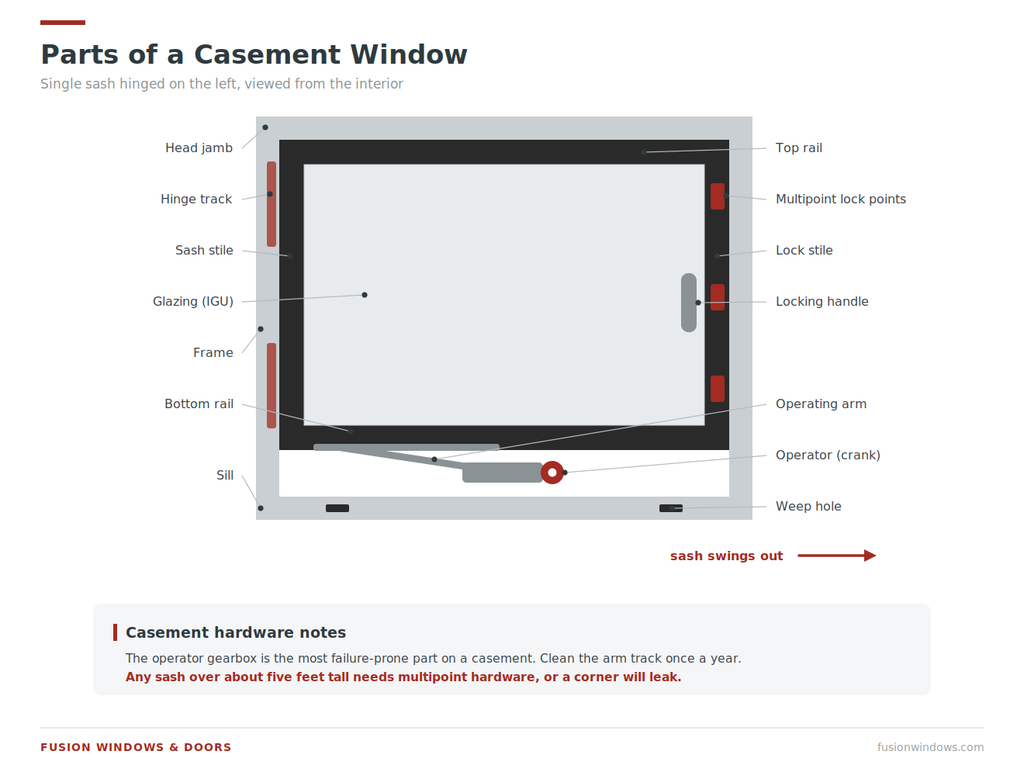
Casement windows are the tightest-sealing operable style available. When closed, the sash presses against the frame around the entire perimeter, compressing the weatherstrip on all four sides. That compression seal outperforms double-hung windows significantly in air tightness. For hot climates where keeping conditioned air in is as important as blocking solar heat, casement is the preferred operable style.

Picture and fixed windows have no moving parts and therefore no air leakage path through the frame. For openings where ventilation isn’t needed, a fixed window delivers the cleanest thermal performance of any style. They’re a common choice on west-facing walls in inland homes where the goal is maximum heat rejection with maximum light.

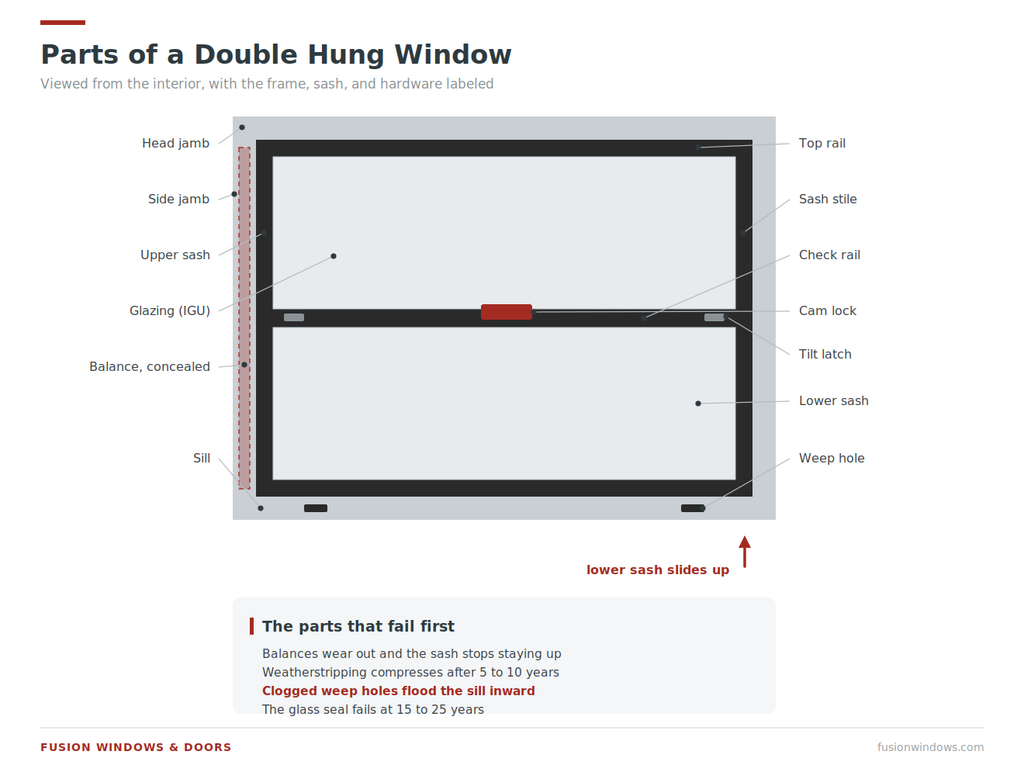
Double-hung windows are the most common style and the least airtight. The sliding sash mechanism creates a permanent gap path that even good weatherstripping can’t fully eliminate. In a hot climate, they’re a functional compromise — acceptable for bedrooms and secondary rooms, but not the first choice for primary exposures.

Sliding windows sit between casement and double-hung in terms of seal quality. They seal better than double-hung on the meeting rail but still have a sliding track that limits full perimeter compression. A good option for openings where a casement’s outward swing is impractical.

Frequently Asked Questions

What SHGC Rating Do I Need for a Los Angeles Home?

For most permitted projects in Los Angeles, Title 24 requires an SHGC of 0.23 or lower. Coastal zones may have slightly different requirements depending on the specific climate zone your address falls under. The California Energy Commission’s climate zone lookup tool lets you confirm your zone by address before you specify anything.

Is Triple-Pane Glass Worth It in Southern California?

For most LA locations, no. A high-performance dual-pane window with a triple-silver Low-E coating will outperform a basic triple-pane unit on SHGC — which is the number that matters most in a hot climate. Triple-pane adds weight and cost with diminishing returns on solar heat rejection. The exception is high desert and mountain properties where winter heat retention is as important as summer cooling.

How Do I Read an NFRC Label on a Window?

The NFRC label appears as a sticker on every window sold in California. It lists U-factor, SHGC, VT, and air leakage in that order. For hot climates, focus on SHGC first. If it’s above 0.23, the window won’t comply with Title 24 in most Los Angeles climate zones. U-factor should be 0.30 or lower. Everything else on the label is secondary for a hot climate application.

Do All Replacement Windows Need to Meet Title 24?

Any replacement window installed under a permit must meet Title 24. The exception is small replacement projects totaling less than 75 square feet, which may qualify for a relaxed standard. If you’re replacing a single window without pulling a permit, the code technically doesn’t apply — but a window that meets Title 24 is still a better product that will perform better and cost less to operate. An authorized installer will advise you on what your specific project requires.

Which Frame Material Holds Up Best Near the LA Coast?

Thermally broken aluminum is the strongest choice for coastal properties. It doesn’t corrode, warp, or degrade under salt air and UV exposure the way wood does. Quality powder-coat finishes on aluminum frames are tested for coastal durability and carry manufacturer warranties that cover finish adhesion. Vinyl is a reasonable second option for coastal use, but aluminum outperforms it on longevity in direct ocean-facing exposures.
At Fusion Windows and Doors, we carry Milgard, Fleetwood, Andersen, Marvin, and other brands that meet California Title 24 requirements across all Los Angeles climate zones. Every product we install comes with transparent pricing, professional measurements, and a full workmanship warranty. If you’re ready to upgrade to windows that actually perform in Southern California heat, request a free quote and we’ll walk you through the right specification for your home.

Milgard Windows Cost (2026 Guide): Pricing by Series, Material, and Installation

Milgard windows are a top replacement choice in Southern California. If you’re planning a project in 2026, you’ll want clear numbers for vinyl, fiberglass, and aluminum options, plus installation, labor, and upgrade costs. This guide gives you the full breakdown.

Key Takeaways


    • Milgard vinyl windows usually fall between $450–$1,100 installed.

    • Fiberglass and aluminum lines often land between $1,000–$2,000 per window.

    • Upgrades like black frames or laminated glass add $150–$600 per window.

    • Full-home replacements in LA typically cost $14,000–$35,000+.

    • LA labor runs higher than national averages, especially in older homes.

Methodology

To give you accurate 2026 pricing, we reviewed recent Fusion Windows & Doors projects across Los Angeles, Milgard’s updated dealer pricing, national replacement-window cost studies, and current labor averages. Costs shown include:

  • Window unit
  • Delivery
  • Professional installation
  • Old window removal and haul-away
  • Exterior sealing and light trim work

Major construction changes, drywall repairs, or stucco rebuilding are not included.

Milgard Window Cost by Material (2026)

Milgard prices change depending on the frame material you choose, so it helps to see how vinyl, fiberglass, and aluminum compare before looking at specific series. This table shows the basic cost range for each material before any upgrades, specialty glass, or custom sizing.

  • Vinyl windows typically cost $450–$1,100 installed depending on style.


  • Fiberglass windows often fall between $1,000–$2,000 installed.


  • Aluminum frames commonly range from $1,000–$2,100 installed.


  • Large picture windows can exceed $2,500+, no matter the material.

Milgard Window Cost by Series (2026)

Milgard’s product lines vary in design, performance, and price, so it’s useful to see how each series sits in the overall cost range. This table gives you a direct comparison of the most common Milgard series before installation details or upgrades come into play.

  • V250 windows usually cost $450–$950 installed.


  • V400 windows usually cost $650–$1,200 installed.


  • Ultra fiberglass often lands between $1,200–$2,000 installed.


  • AX550 aluminum lines sit close to $1,200–$2,100 installed.


  • Quiet Line starts around $1,400 installed and can exceed $2,400 with acoustic upgrades.

Installation and Labor Costs

Installation makes up a significant part of your final price, and the numbers shift based on access, framing, and how much old material needs to be removed. This table breaks down the typical labor and preparation costs that get added to the window price.

  • Labor usually accounts for $150–$350 per window.


  • Removal and haul-away add $60–$180.


  • Trim and sealing add $50–$140.


  • Second-story installation adds $50–$120 per opening.

Milgard Window Upgrades and Add-Ons

Upgrades can shift Milgard pricing quickly, especially when you change the glass, frame finish, or window size. Here, we show the most common add-ons and how much they typically add to the base price.

  • Privacy glass adds $40–$150.


  • Grid patterns add $40–$200.


  • Argon gas fill adds $20–$60.


  • Laminated (sound-reduction) glass adds $120–$600.


  • Black frames typically add $150–$450.


  • Custom-size windows increase costs by 15–40%.

Cost to Replace All Windows in a 2,000 sq ft Home

A full-home replacement can look very different from a single-window project, and the cost depends on how many openings your home has. Here’s what a typical 2,000 sq ft layout usually requires and where the total price tends to land.

  • Most 2,000 sq ft homes have 18–22 windows.


  • Vinyl packages usually run $14,000–$22,000.


  • Fiberglass or aluminum often land between $22,000–$35,000+.


  • Homes with large sliders or picture windows push costs higher.

Los Angeles–Specific Cost Factors

LA homes come with unique pricing variables: older framing, stucco exteriors, hillside access, and higher labor rates. 

  • Permit fees in LA range from $50–$200.


  • Small stucco patches add $80–$180 per opening.


  • Difficult access can add $100–$350 per window.


  • Delivery surcharges apply to remote or hillside areas at $40–$120.

Milgard Series Explained

A quick look at Milgard’s main series helps you understand how each one differs in design, performance, and price. Each option serves a different type of home and budget, so these short summaries give you a clear sense of what you’re paying for.

V250 Vinyl

V250 is Milgard’s entry-level vinyl line, built for simple replacements and budget-friendly upgrades.
Typical installed cost: $450–$950.

V400 Vinyl

V400 adds more ventilation choices, better hardware, and cleaner lines.
Typical installed cost: $650–$1,200.

Ultra Fiberglass

Ultra delivers stronger frames, more color options, and better durability for hot-sun exposure.
Typical installed cost: $1,200–$2,000.

AX550 Aluminum

AX550 offers thin frames and a modern, contemporary look.
Typical installed cost: $1,200–$2,100.

Quiet Line (Sound Reduction)

Quiet Line is built for homes near airports, freeways, and busy streets. It uses acoustic laminated glass and multi-chamber frames.
Typical installed cost: $1,400–$2,400+.

What Pushes Milgard Window Costs Higher

Several factors can shift Milgard pricing beyond the base window cost, especially once installation details and upgrade choices come into play. These are the most common reasons final quotes climb higher.

  • Large windows can add $250–$800 per unit.


  • Black frames often add $150–$450.


  • Sound-reduction glass adds $200–$600.


  • Second-story installs add $50–$120.


  • Custom shapes frequently exceed $1,500+.


  • Coastal-grade coatings raise pricing by 10–20%.

Final Thoughts

Milgard pricing shifts based on size, installation conditions, and the series you choose. Vinyl lines like V250 and V400 keep budgets balanced, while fiberglass and aluminum offer higher durability and cleaner finishes. LA installation tends to run higher because homes often need additional sealing, trim work, or stucco repairs.

If you’re planning a window project and want numbers based on your home, Fusion Windows & Doors can walk you through the pricing. Our team handles everything from measurements to installation for homeowners across Los Angeles.

Get a Free Quote and Learn What Your Project Will Cost 

FAQs

How much do Milgard windows cost in 2026?

Most Milgard vinyl windows cost $450–$1,100 installed, while fiberglass and aluminum options usually range $1,000–$2,000 per window.

Which Milgard series is the most affordable?

The V250 vinyl series is Milgard’s most budget-friendly line, typically costing $450–$950 installed.

Are Milgard fiberglass windows worth the price?

Yes. Ultra fiberglass windows offer better durability, color choices, and long-term performance, especially for sun-exposed LA homes, which justifies the higher price.

What impacts the cost of Milgard windows the most?

Window size, series, glass type, frame color, and installation complexity are the biggest cost drivers. Upgrades like black frames or laminated glass can add $150–$600 per window.

What’s included in a professional installation quote?

A standard quote covers:

  • Window unit

  • Delivery

  • Installation

  • Old-window removal and haul-away

  • Exterior sealing and light trim work
    Major construction changes or stucco rebuilding are not included.

Andersen Windows Cost in 2026: Pricing by Series, Window Type, and Installation Factors

Andersen 400 series
Andersen 400 series

Andersen Windows cost varies widely based on window series, style, glass options, and installation scope. Most homeowners pay between $400 and $4,000 per window installed, with mid-range projects clustering closer to the middle of that range.

This guide breaks down how much do Andersen windows cost, what drives those numbers, and how Renewal by Andersen pricing differs from standard Andersen window purchases.


Upgrade Your Home with Premium Windows

Discover a wide selection of top-quality windows, expertly installed to enhance your home’s style, comfort, and energy efficiency.

Get Your Free Quote

Average Andersen Windows Cost Per Window (Installed)

The table below shows typical installed pricing ranges for Andersen windows across all series and window types.

  • Entry-level Andersen windows typically cost $400 to $800 per window installed. This range usually includes smaller Fibrex windows or fixed picture windows with minimal labor.
  • Mid-range Andersen windows generally cost $850 to $1,800 per window installed, covering most standard double-hung, sliding, or casement replacements.
  • High-end Andersen windows cost $2,000 to $4,000 per window installed, often due to large openings, premium series, or specialty designs.

When homeowners ask about Andersen windows cost per window, this spread explains why at an authorized dealer like Fusion Windows, estimates can look very different from one quote to another.

Andersen Windows Cost by Series

Andersen window series determine materials, durability, customization, and energy performance. This is the biggest pricing driver.

  • 100 Series Andersen windows cost $400 to $1,500 installed, making them the most affordable option and the lowest Andersen Fibrex windows cost overall.
  • 200 Series Andersen windows cost $450 to $2,500 installed, reflecting wood interiors with vinyl-clad exteriors.
  • 400 Series Andersen windows cost $500 to $3,000 installed and remain the most common choice for wood interior replacements.
  • A-Series Andersen windows cost $1,100 to $4,000 installed, driven by composite exteriors and higher performance ratings.
  • E-Series Andersen windows cost $1,000 to $3,800 installed, with pricing tied to aluminum cladding and extensive customization.

Andersen Windows Cost by Window Type

Window style affects both manufacturing cost and labor time during installation.

  • Andersen picture windows cost $300 to $1,500 installed, making them the least expensive option.
  • Single-hung and double-hung Andersen windows cost $350 to $1,500 installed depending on series and size.
  • Andersen casement windows cost $400 to $2,000 installed due to added hardware and sealing.
  • Andersen awning windows cost $400 to $1,500 installed and are commonly used in bathrooms and basements.
  • Andersen sliding windows cost $350 to $1,500 installed, depending on frame material.
  • Andersen bay and bow windows cost $1,600 to $4,000 installed, reflecting framing work and multiple glass panels.

Andersen Triple Pane Windows Cost

Triple-pane glass improves insulation and sound control but increases overall pricing.

  • Adding triple-pane glass increases Andersen triple pane windows cost by $300 to $800 per window.
  • Triple-pane upgrades are most common on A-Series and E-Series windows.
  • Homes in colder climates see the strongest energy savings from this upgrade.

Key Factors That Affect Andersen Window Installation Cost

Several project-specific details explain why two homes can receive very different estimates.

  • Window size: Larger openings require more materials and longer install times.
  • Frame material: Fibrex costs less than wood or aluminum-clad frames.
  • Glass package: Triple-pane and impact-rated glass raise costs.
  • Installation method: Full-frame replacement costs more than insert installation.
  • Access: Upper floors or obstructed interiors increase labor time.
  • Local labor rates: Urban and high-cost regions trend higher.

These factors account for most variation in the overall cost of Andersen windows.

Renewal by Andersen Cost 

Renewal by Andersen operates separately from retail Andersen window sales. Pricing is bundled and includes installation.

  • Renewal by Andersen windows cost $1,500 to $5,000 per window installed.
  • Pricing includes the custom Fibrex window, labor, installation, and warranty coverage.
  • Renewal pricing is higher because windows are not sold separately from installation.

This explains why searches for Andersen renewal windows cost often return higher numbers than standard Andersen window pricing. Homeowners in Southern California who want accurate pricing and professional installation often work with authorized local dealers for Andersen windows, such a Fusion Windows.

Final Thoughts

Andersen windows cost more than many vinyl competitors, but the brand delivers consistent value through durability, energy efficiency, and long-term performance. Homeowners focused on resale value, aesthetics, or long-term ownership typically justify the higher upfront investment.

For budget-driven projects, entry-level series keep pricing accessible. For premium renovations, Andersen’s higher-end lines offer flexibility that few competitors match.

Working with an experienced Andersen dealer ensures proper sizing, correct installation, and full warranty coverage, which is why many homeowners choose professional Andersen window installation in Los Angeles.

You can learn more about window pricing in our guide on Milgard Windows Cost in 2026 for a detailed comparison.

Euroline Steel Windows and Doors vs. Cheap Alternatives: What LA Homeowners Need to Know

Steel windows and doors are a significant investment in any home. Euroline steel windows and doors are one of the most trusted names in the category, manufactured in California and built to exacting standards. But cheaper alternatives, many imported from China, have flooded the market. 

This article breaks down the real differences in materials, manufacturing, customization, warranty, and long-term cost so you can make an informed decision.

Why Steel Windows Attract Cheaper Knockoffs

Steel windows and doors sit at the premium end of the fenestration market. Slim profiles, expansive glass, architectural drama. That price premium makes the category a target for mass-produced imports that mimic the look without matching the build quality.

The problem is that steel windows are a permanent part of your home’s structure. Unlike furniture or fixtures, replacing them is a major project. Getting it wrong the first time is expensive.

Cheap alternatives are everywhere online, often sold under vague brand names with no disclosed origin. Some are marketed through budget installers who don’t specialize in steel. By the time quality issues appear, the warranty claim process is a nightmare or the seller is gone entirely.

Where Euroline Steel Windows and Doors Are Actually Made

Euroline manufactures every product at their facility in Yorba Linda, California. Every window and door is hand-crafted by trained artisans entirely in-house. Nothing is outsourced to third-party factories.

The company was founded by Elyas Balta, an engineer with a background in applied physics and a family lineage of steel workers. He built Euroline around one principle: no product leaves the factory without a quality stamp of approval. That standard has held for decades.

This matters because many Chinese alternatives are not made by the company selling them. They are sourced from the lowest-bidding factory, sometimes through a trading company with no manufacturing capability of its own. You have no way of knowing what you’re actually getting until it arrives, and often not even then.

The Steel Quality Gap Between US-Made and Imported Products

This is where the difference is most significant, and least visible to the naked eye.

American steel manufacturers operate under standards set by the American Society for Testing and Materials (ASTM), which govern steel composition, structural performance, and weld behavior. These are not voluntary guidelines. Products sold for residential construction need to meet them.

Chinese steel does not face the same requirements. There are documented cases of manufacturers adding boron to their steel to qualify for tax rebates. Boron causes welds to crack under stress and compromises structural integrity. It is rarely disclosed to the buyer.

Beyond the base steel, here is how the surface treatment compares:

Euroline’s process:

  • Zinc metalize rust-protection treatment applied to every frame
  • Galvanic protection layer against corrosion
  • Industrial paint barrier on top, available in a wide range of finishes
  • Each stage is quality-checked before moving to the next

Typical Chinese import:

  • Basic paint coat applied over bare or minimally treated steel
  • No zinc or galvanic protection layer
  • Batch-to-batch consistency varies significantly
  • No independent quality verification

In Southern California’s coastal environment, that difference shows up fast. Salt air, marine layer humidity, and UV exposure degrade an unprotected steel frame in a fraction of the time it takes to break down a properly treated one.

Custom-Made vs. Mass-Produced and Windows and Doors: How It Affects Installation

Every Euroline product is built to your exact architectural specifications. The frame is fabricated to fit your opening. Hardware configurations, sightline dimensions, swing direction and finish color are all specified upfront and built to order.

Mass-produced imports work the other way. They are manufactured in standard sizes and configurations, then adapted on-site to fit your opening. That means shimming, trimming, and workarounds. It also means gaps in the weather seal, inconsistent hardware alignment, and a final product that doesn’t quite sit right.

For your installer, this creates real problems. A licensed contractor who installs a custom-fabricated product can stand behind the result. An installer working around a poorly fitting import is absorbing liability for a product they didn’t spec and can’t control.

This is one reason why professional door installation contractors with Euroline experience won’t touch cheap imports. The installation quality is only as good as the product it’s built around.

Two Euroline Collections and Which One Is Right for Your Home

Euroline offers two product lines. Understanding the difference helps you specify the right product for your project from the start.

The True Steel Collection

The True Steel Collection features ultra-slim ¾” sightlines, the narrowest profile Euroline produces. Frames nearly disappear, letting light and glass define the space. This line works best for:

  • Modern and contemporary architecture
  • Historic restorations and loft conversions
  • Projects where the purest steel aesthetic is the priority
  • Spaces where thermal performance is secondary to character

True Steel is available in casement windows, French doors, partitions, and custom configurations.

The Thermal Steel Collection

The Thermal Steel Collection uses thermally broken profiles that reduce heat transfer while keeping the structural strength and refined look of steel. This line is the right choice for:

  • California homes that need to meet Title 24 energy compliance
  • Coastal properties with salt air exposure
  • Large-format openings like lift and slide doors, pivot doors, and curtain walls
  • Projects where energy efficiency and design both matter

Both collections are fully custom. Lead times and pricing vary by configuration, which is why a consultation with a certified installer matters before you specify anything.

What the Warranty Tells You About a Manufacturer’s Confidence

A warranty is a manufacturer’s statement about how much they trust their own product. Euroline’s warranty structure is one of the clearest signals of that confidence in the category.

Euroline warranty coverage:

  • 10 years on manufacturing defects for factory-finished products
  • 5 years on factory-applied paint finishes
  • 5 years on insulated glass seals
  • Physical address in Yorba Linda, California for all warranty claims

Compare that to what you typically get with Chinese imports. Short warranty periods, often one year or less. Claims requiring international shipping of defective components. Customer service operating in a different time zone. And in many documented cases, companies that rebrand or disappear entirely when negative reviews accumulate, taking outstanding warranty obligations with them.

A short warranty is not just a minor inconvenience. It’s a signal that the manufacturer doesn’t expect the product to perform.

The Cost of Cheaper Steel Windows in Southern California

The upfront price gap between Euroline and a cheap import looks significant. It is less significant than it appears when you run the numbers over a realistic ownership period.

Steel windows and doors are a 20 to 30-year decision in most homes. Here is what that timeline looks like with each option:

With a cheap import:

  • Lower purchase price
  • Higher installation labor costs due to fit issues
  • Earlier corrosion in coastal climates, typically within 3 to 7 years without proper treatment
  • Replacement or refinishing costs that were not in the original budget
  • Potential impact on home resale value if condition is visible

With Euroline:

  • Higher purchase price
  • Clean installation with custom-fabricated components
  • Zinc and galvanic protection built in at the factory level
  • 10-year warranty covering manufacturing defects
  • Long-term performance that holds up in the Southern California climate

The homes in Los Angeles, Malibu, Pacific Palisades, and other coastal communities that carry premium values do so in part because of build quality. Buyers and appraisers notice the difference between steel windows that have held up and ones that haven’t.

FAQs

Are Euroline Steel Windows and Doors Worth the Higher Price?

For a permanent architectural feature in a luxury home, yes. The price difference between Euroline and a cheap import shrinks considerably when you factor in installation costs, corrosion risk in Southern California’s coastal climate, and the likelihood of early replacement. A product built to last 30 years with a 10-year warranty costs less over time than one that needs refinishing or replacement within a decade.

How Do I Know If a Steel Window Product Is Actually Made in China?

The clearest signals are vague brand origin, no disclosed manufacturing address, unusually low pricing, and short or unclear warranty terms. If a seller cannot tell you exactly where the product is made and by whom, that is your answer. Legitimate manufacturers like Euroline list their facility address publicly and stand behind their products with a traceable warranty.

Can Chinese Steel Windows Meet California’s Title 24 Energy Code?

Some imported products claim compliance, but verification is difficult. Title 24 requires specific thermal performance ratings that need to be tested and certified. Euroline’s Thermal Steel Collection is built with thermally broken profiles specifically designed to meet California’s energy standards. With an import, you are often relying on the seller’s self-reported specs with no independent certification to back them up.

Does It Matter Which Installer I Use for Steel Windows and Doors?

It matters significantly. Steel windows and doors are heavy, precise, and unforgiving of improper installation. A frame that is even slightly out of square will bind, leak air, or fail its weather seal over time. Euroline works through authorized dealers and certified installers specifically because proper installation is part of what the product warranty depends on. An unlicensed or inexperienced installer voids that protection entirely.

How Long Does It Take to Get Euroline Steel Windows and Doors?

Because every Euroline product is custom-fabricated to your specifications, lead times are longer than off-the-shelf alternatives. Typical timelines run 10 to 14 weeks from order confirmation depending on configuration and volume. That lead time is a feature, not a drawback. It means your product is being built specifically for your openings, not pulled from a warehouse and shipped in a standard size.

At Fusion Windows and Doors, we are an authorized Euroline dealer and installer serving the Los Angeles area. We carry Euroline because it is a product we are confident installing and standing behind. If you are planning a project and want to see your options in person, request a free quote and one of our specialists will walk you through the right configuration for your home.

Single vs Double Pane Windows: Cost, Efficiency, and What’s Best for Your Home

Upgrading your windows changes how your home feels, sounds, and performs. Many homeowners wonder if double-pane windows are worth the extra cost or if single-pane options still make sense for certain properties. You can compare both types clearly once you see the differences in insulation, comfort, noise, and long-term value on our windows services page.

The tables and sections below give you a simple way to understand both window types and decide what works best for your home.

Key Takeaways

  • Single-pane windows cost less upfront but lose heat faster and offer weak noise control.
  • Double-pane windows use two layers of glass and gas insulation to improve energy efficiency and comfort.
  • Most U.S. homes benefit from double-pane upgrades because they lower energy use and keep indoor temperatures stable.
  • Typical U.S. costs range from $150 to $400 installed for single pane and $450 to $1,250 for double pane.
  • Energy savings from double-pane windows can reach $126 to $465 each year, depending on climate and home size.

Quick Comparison: Single vs Double Pane Windows

Feature Single-Pane Windows Double-Pane Windows
Glass Layers 1 2
Insulating Gas None Argon or Krypton
Energy Efficiency Low Medium to High
Noise Reduction Minimal Strong improvement
U-Factor Range 0.9 to 1.3 0.25 to 0.50
Comfort Drafty, temperature swings Stable indoor temperature
Condensation Common Reduced
Typical U.S. Cost (Installed) $150 to $400 $450 to $1,250
Best For Budget limits, garages, sheds, mild climates Most U.S. homes, energy savings and long-term use

What Are Single-Pane Windows?

Single-pane windows use one layer of glass. There is no built-in insulation or gas layer to slow heat transfer. Many older American homes still have them, especially those built before the 1980s – check our guide on how long windows last for signs it’s time to replace.

You can find them in wood, aluminum, and vinyl frames. They look fine from the street, but the lack of insulation leads to drafts, uneven room temperatures, and higher heating and cooling use.

Pros and Cons of Single-Pane Windows

Pros Cons
Lowest upfront cost Poor insulation
Simple repairs Higher energy bills
Works for sheds or seasonal spaces Weak noise reduction
Good for a historic look More condensation

Most homeowners in the U.S. pay $150 to $400 per window installed.

What Are Double-Pane Windows?

Double-pane windows use two layers of glass with a sealed layer of argon or krypton gas in between. This gas slows heat transfer and helps your home stay comfortable in both hot and cold weather.

Most modern windows also include a Low-E coating that reflects heat and reduces UV rays. This keeps furniture from fading and reduces solar heat gain.

Pros and Cons of Double-Pane Windows

Pros Cons
Much better insulation Higher upfront cost
Strong noise reduction Seal failure can occur over time
Lower energy bills Heavier window units
Reduced condensation Sometimes longer lead times

Homeowners in the U.S. usually pay $450 to $1,250 per window installed, depending on size, frame type, and glass features.

Cost Comparison: Single vs Double Pane Windows in the United States

Category Single Pane Double Pane
Material Cost $80 to $250 $250 to $800
Installed Cost $150 to $400 $450 to $1,250
Best Value Low-budget or low-use rooms Whole-home replacement
Payback Period None Three to seven years through energy savings

Double-pane windows cost more, but they lower your energy use. The U.S. Department of Energy reports average savings of $126 to $465 each year when you replace single-pane windows with quality double-pane units.

Energy Efficiency Comparison

Energy performance depends on two values:

  • U-Factor: Lower numbers mean better insulation.
  • Solar Heat Gain: Lower numbers reduce heat entry from sunlight.

Energy Performance Table

Performance Area Single Pane Double Pane
U-Factor 0.9 to 1.3 0.25 to 0.50
Solar Heat Control Low Medium to High (with Low-E)
UV Blocking Low Medium to High
Annual Energy Savings None $126 to $465 per year

Noise Reduction Comparison

Noise control matters if you live near traffic, schools, airports, or busy streets. Double-pane windows create a physical and acoustic barrier that single-pane windows simply cannot match.

Category Single Pane Double Pane
STC Rating 26 to 28 28 to 34
Outdoor Noise Reduction Minimal Moderate to strong
Indoor Echo Control Low Good
Best For Quiet rural areas Most U.S. neighborhoods

If you hear cars, voices, or barking dogs through your current windows, double-pane glass will make a noticeable difference.

Comfort Differences

Temperature Stability

Single-pane windows allow outdoor temperatures to quickly affect indoor rooms. Cold air leaks in during the winter, and heat builds faster during the summer. Double-pane windows slow this transfer so your rooms stay far more comfortable.

Condensation

Moisture forms easily on single-pane windows, especially in cold climates. Double-pane windows reduce condensation due to the insulating layer between the panes.

Maintenance and Durability

Double-pane windows require less hands-on management. You get fewer drafts, fewer moisture problems, and far better performance throughout the year.

Area Single Pane Double Pane
Seal Failure None Possible over time
Replacement Cost Lower Higher
Lifespan 20 to 40 years 20 to 30 years
Frame Compatibility Works with most frames Works with most frames

Which Windows Should You Choose?

You can decide quickly by looking at your climate, budget, and long-term plans.

Choose Single-Pane Windows If:

  • You only need windows for a shed, garage, or seasonal space.
  • You have a strict budget.
  • You live in an area with mild temperatures.

Choose Double-Pane Windows If:

  • You want lower energy bills.
  • You want quieter rooms.
  • Your home has uneven temperatures.
  • You live in a cold or hot region.
  • You plan to stay in your home long term.

Most U.S. homeowners choose double-pane windows because the comfort and savings outweigh the initial cost.

Need Professional Installation for Better Results? 

New windows work best when they are installed correctly. Proper installation keeps the insulating gas sealed, maintains the Low-E performance, and prevents air leaks around the frame. Fusion Windows & Doors offers high-quality double-pane units, expert installation, and guidance that matches your climate and home design.

If you want better comfort, lower energy use, and a quieter home, you can get a free quote with Fusion and explore the options that fit your property.

FAQs

Should I replace single-pane windows with double-pane?

Yes, for most homes. Replacement is recommended if you want lower energy bills, better temperature control, less noise, and modern performance. For mild climates, sheds, or tight budgets, single-pane may still work, but double-pane offers long-term savings and comfort.

How long do double-pane windows last?

With proper installation, most last 20 to 30 years. Their lifespan depends heavily on the seal’s integrity; if it fails, fogging can occur between the panes.

Do double-pane windows stop street noise?

They reduce it significantly. The dual glass layers and insulated gap create a strong sound barrier for everyday noise like traffic, though very loud sounds may still be heard.

Can I insulate single-pane windows instead of replacing them?

You can use temporary measures like window film or weatherstripping to improve performance. However, these cannot match the permanent insulation and comfort of a true double-pane window.

Do double-pane windows prevent condensation?

They greatly reduce it. The insulated glass keeps the inner pane closer to room temperature, minimizing the cold surface where condensation forms, though it can still happen at the edges.

What gas is used between double-pane windows?

Most use argon gas for better insulation. Premium windows sometimes use krypton, which is denser and offers higher performance, especially in slimmer window frames.

How Long Do Windows Last? Real Lifespans, Signs of Aging & When to Replace Them

Transom Windows in LA

Most windows last between 20 and 50 years, depending on their material, quality, and installation. But factors like sunlight, humidity, and poor sealing can cut that lifespan in half, especially in Southern California’s coastal climate, where heat and salt air take a toll on frames and glass over time.

Your windows aren’t just for looks, they’re what keep your home insulated, quiet, and energy-efficient. When they start to age, you’ll notice fog between panes, sticky latches, or rising utility bills. Knowing how long windows last and what shortens their life helps you decide when repair makes sense and when full replacement saves you more in the long run.

Average Lifespan of Windows by Material

Window Material Average Lifespan Performance Notes
Vinyl 25–40 years Excellent insulation and low maintenance, but can warp in direct heat.
Fiberglass 35–50 years Exceptionally durable and energy-efficient, ideal for California climates.
Wood 30–50 years Warm, timeless look; needs regular sealing or repainting.
Aluminum 20–30 years Strong and lightweight, though vulnerable to corrosion near the coast.
Composite 30–40 years Combines fiberglass strength with the style of wood.

The table above shows average lifespans under normal conditions, but climate and installation make all the difference. Poor sealing, direct sunlight, or cheap materials can cause window failure in half the expected time. 

How Climate Affects Window Longevity

Windows in Los Angeles and nearby regions face constant UV exposure, dry heat, and salt air which are all conditions that can stress materials faster than in cooler or inland climates. Here’s how that plays out:

  • UV rays can discolor vinyl or dry out wood finishes.
  • Salt air causes corrosion and pitting on aluminum frames.
  • Thermal expansion from daytime heat creates small gaps that weaken seals.

If you live in Los Angeles, Pasadena, or along the Southern California coast, you’ll notice window lifespans vary slightly depending on exposure and materials. Homes closer to the beach often need corrosion-resistant finishes, while inland areas benefit from UV-shielded glass and insulated frames.

Common Signs It’s Time to Replace Your Windows

Even the most durable windows eventually wear down. These are the early warning signs to watch for:

  • Fog or condensation between panes: seal failure means lost insulation.
  • Drafts or uneven room temperatures: air leaks through small frame gaps.
  • Difficulty opening or closing: usually due to warped frames.
  • Rising energy bills: a clear indicator of heat transfer through aging glass.
  • Visible damage or rot: signals it’s time for a replacement rather than repair.

When multiple issues appear, full replacement often is more cost-effective. At Fusion Windows & Doors we offer free consultations to help homeowners decide between repair and upgrading to modern, energy-efficient models.

When 20 Years Becomes the Turning Point

If your home’s windows are around 20 years old, it’s smart to have them inspected, even if they look fine. Interior seal breakdown, glazing wear, and hardware corrosion often start invisibly. New models from Milgard, Andersen, and Fleetwood are engineered for superior insulation, smoother operation, and lifetime performance, helping you avoid small inefficiencies that quietly drive up costs.

How to Extend the Lifespan of Your Windows

Your windows’ durability generally depends on how you care for them. With a few simple habits, you can add years (even decades) to their lifespan.

  • Clean tracks and frames regularly. Dirt and dust buildup cause friction that wears out hinges, locks, and seals.
  • Check caulking and weatherstripping every year. Even a tiny crack can let in moisture and cause early seal failure.
  • Repaint or reseal wood windows. Wood frames are beautiful but vulnerable; fresh paint or varnish keeps moisture out.
  • Avoid pressure washing. High-pressure water can break seals or force moisture into the frame.
  • Install UV-resistant film or low-E glass. This protects against fading, heat transfer, and discoloration, especially important in Los Angeles’ year-round sun.

When Replacement Becomes the Smarter Investment

At some point, repair costs start outweighing the benefits of keeping old windows. Understanding how long your windows last helps you spot that tipping point before you overspend on short-term fixes. Here’s how to tell you’ve reached that point:

  • Frequent seal failures or drafts: Re-caulking every year adds up.
  • Energy bills 20–30% higher than usual: Modern windows can reduce utility costs by up to 25% annually.
  • Visible moisture or fogging: This almost always means the insulated glass unit (IGU) has failed, and those are rarely worth repairing.
  • Hardware corrosion or frame decay: Replacement parts can be hard to find, especially for discontinued brands.

In these cases, full replacement offers better comfort, appearance, and resale value.

How Long Different Window Brands Last

Fusion carries and installs a wide range of high-end window brands, each designed for a different window lifespan. If you’ve ever wondered how long do windows last depending on the brand, this quick comparison shows what to expect:

Brand Average Lifespan Why It Lasts
Milgard 25–40 years Built for energy efficiency and UV resistance; popular for LA homes.
Andersen 35–50 years Premium wood and composite builds with weather-resistant finishes.
Fleetwood 40+ years Architect-grade aluminum engineered for coastal durability.
Marvin 30–45 years Combines wood beauty with aluminum cladding for longevity.
LaCantina 25–35 years Specializes in folding and sliding doors with robust hardware.

Choosing the right material and brand from the start is what determines if your windows last two decades or even five.

Factors That Affect How Long Windows Last

No two homes, or windows, age exactly the same way. Even identical models can have very different lifespans depending on where they’re installed and how they’re maintained. Here’s a breakdown of the most important factors that determine how long your windows last and how to get the most out of them.

1. Material Quality

The biggest driver of window lifespan is the material itself.

  • Vinyl and fiberglass typically hold up best against heat and moisture, with little to no maintenance required.
  • Wood can last for decades too, but only if it’s properly sealed against water and sun exposure.
  • Aluminum, while durable, can corrode faster in coastal homes due to salt air.

When choosing replacement windows, think beyond price as premium materials pay off with longer performance and fewer repair calls.

2. Installation Quality

Even the best window won’t last long if it’s poorly installed. Gaps, uneven framing, or misaligned seals let moisture in and air out, which can shorten lifespan by years. That’s why professional installation matters as much as the window itself. 

3. Climate and Location

Weather is a silent but powerful factor. Homes in Los Angeles, Pasadena, or along the Southern California coast face high UV exposure, salty air, and dry heat, each of which can accelerate material breakdown. Inland homes may not face salt corrosion but deal with extreme daytime heat that expands seals and glass.
That’s why the same window can last 10 years longer inland than it would near the beach. 

4. Maintenance Habits

Regular upkeep doesn’t just keep your windows looking new and extends their life dramatically. Simple tasks like cleaning the tracks, checking seals, and re-caulking small gaps prevent minor wear from turning into major problems.
Think of window care like car maintenance: skipping a $10 seal check today could mean a $1,000 replacement a few years early.

5. Usage & Exposure

Windows that are opened daily, exposed to direct sunlight, or subject to strong winds will naturally wear faster. North-facing windows often last longest because they get less direct UV exposure, while large south- or west-facing windows may need replacements sooner.
Adding features like low-E coatings, UV-blocking films, or insulated frames can protect against this wear and keep your window lifespan closer to the upper end of its range.

Ready for Expert Opinion?

If you’re wondering how long your windows will last or whether upgrading could lower your bills, it’s time to talk to the experts. Fusion Windows & Doors provides premium brands, precision installation, and tailored guidance for homes across Los Angeles and Southern California.

Get a free quote today to get professional insight into your home’s window lifespan, performance, and best replacement options.

FAQs

How often should I replace my windows?

Most windows last 25 to 40 years, but in hot, sunny climates like Southern California, replacing them sooner may improve comfort and energy efficiency.

Should I replace my 20-year-old windows?

If you notice condensation, drafts, or stiff operation, yes. It’s often more cost-effective to replace them with modern, insulated glass.

Can windows last 50 years?

Some premium fiberglass and wood-clad models can reach 50 years or more with proper maintenance and sealing.

How do I know it’s time to replace my windows?

Watch for fogging between panes, visible warping, rising energy costs, or difficult operation. These are early signs your windows have reached the end of their functional lifespan.


The 5 Best Windows Companies in Los Angeles

The-5-Best-Windows-and-Doors-Dealers-in-Los-Angeles

Choosing windows for your home can seem simple, but the decision often becomes overwhelming with all the options available. Finding the right window company in Los Angeles is key to making an informed decision. A great company will help you choose the best solution for your home, rather than just selling you trendy or expensive products. When selecting the best window companies in Los Angeles, consider factors like product quality, customer service, and energy efficiency. Homeowners today prioritize durability and aesthetics, whether building a new home, renovating, or replacing outdated windows. The right company can make a significant difference in your project’s outcome.

Upgrade Your Home with Premium Windows

Discover a wide selection of top-quality windows, expertly installed to enhance your home’s style, comfort, and energy efficiency.

Get Your Free Quote

We’ve simplified the process by evaluating and comparing the top window companies in Los Angeles based on customer reviews, product offerings, and overall value. Just review our findings to find the company that best suits your needs.

Whether you’re looking for custom solutions, reliable options, or innovative designs, our selection ensures you’ll find a window company in Los Angeles that meets your requirements.

How We Ranked the Top Window Companies in Los Angeles

Choosing the right window company in Los Angeles requires careful consideration of several factors. Here’s how we evaluated and ranked the top window companies in Los Angeles:

Product Quality and Range

    • Energy Efficiency: Products should meet or exceed Energy Star standards, offering excellent insulation and durability.

    • Material Options: Availability of various materials like vinyl, wood, fiberglass, and aluminum to cater to different customer preferences.

    • Durability: How often do these products last inside a home

    • Versatility: How compatible are their designs with different styles of homes/customers’ needs

    • Warranty: How long are essential parts such as hardware, glass, and sashes supported after purchasing , and how effective and efficient are service teams/technicians in providing support.

Customer Satisfaction

    • Customer Reviews: Ratings and feedback from real customers on platforms like Yelp and Google, focusing on the consistency of positive experiences. Reviews should include/address  ease of purchasing, quality of products, quality of installation, and the post-purchase/post-install service/communication. 

    • Reputation: Longevity in the market and recognition by industry bodies, indicating a strong track record.

Pricing and Value

    • Cost Transparency: Clear and upfront pricing with no hidden fees.

    • Value for Money: Offering high-quality products and services at competitive prices.

Installation and Support

    • Professionalism: Certified installers with proven experience and customer support that is responsive and helpful.

    • Warranty: Comprehensive warranty options that cover both products and installation services.

    • Servicing: How quickly and professionally are issues such as repairs and replacements done by the dealer and/or the company providing the windows.

Customization and Flexibility

    • Custom Solutions: Ability to offer tailored designs and solutions to meet unique customer needs. Determining what makes sense for the homeowner in terms of visual needs and functionality. 

    • Service Flexibility: Providing options like virtual consultations and quick response times. Ability to communicate with the customer and articulately answer any questions they may have. 

1. Fusion Windows and Doors Los Angeles

Fusion Windows and Doors is a well-established provider of premium windows, offering a wide range of products designed to enhance both the aesthetic appeal and energy efficiency of homes. Known for their expertise and attention to detail, Fusion Windows and Doors has earned a solid reputation in the Greater Los Angeles area, for delivering quality products and professional installation services.

The specialists are constantly undergoing training to stay updated on the latest industry standards and innovations, ensuring that every project benefits from the most advanced techniques and knowledge.

Service Range

Fusion Windows and Doors provides a comprehensive array of services, including sales and professional installation for windows. Their process begins with a personalized consultation, where a specialist will assess your home’s specific needs, ensuring that the products selected are perfectly suited to your style and budget. 

Brands Offered

Fusion Windows and Doors proudly offers products from some of the most respected brands in the industry, ensuring a wide selection that caters to various styles and budgets:

    • Milgard: Known for its durable and energy-efficient windows, Milgard offers a variety of materials, including vinyl, aluminum, and fiberglass.

    • Fleetwood: Specializes in luxury, modern windows with a focus on sleek designs and high-end materials. Fleetwood is a leading full-aluminum window and door company and is the favored choice for contractors and homeowners alike. 

    • LaCantina: Focuses on both traditional and contemporary options, versatile designs that can accommodate any style of home. Catering to a crowd who prefers both modern and rustic looks, LaCantina handles a plethora of materials, such as aluminum, aluminum-wood, wood, and vinyl. LaCantina is a great choice for those who may not want full-aluminum products, but still prefer a modern and clean design for their home.

    • Andersen: Offers timeless craftsmanship with a wide range of customizable windows that blend traditional beauty with modern efficiency. Andersen’s materials range from vinyl, fiberglass, to aluminum. Andersen also exclusively offers their patented Fibrex windows, a composite material, made out of wood and vinyl fibers. 

    • Marvin: Renowned for its elegant, handcrafted windows that offer a perfect blend of style and functionality. Marvin offers fiberglass Essential Series, fiberglass-clad Elevate Series, and their flagship aluminum-clad Signature Series.

    • Windsor: Delivers precision-crafted windows that combine sustainability with timeless designs. 

    • Velux: Specializes in skylights that enhance natural lighting and energy efficiency in your home. Velux products range from stationary all the way to remote-operated skylights. Velux is often used by contractors, due to its cost, design, reliability, durability, and ease of installation.  

Product Showroom

Fusion Windows has a large showroom located in Burbank, with a plethora of product lines from companies such as Milgard, Andersen, Fleetwood, Marvin, and LaCantina inside. 

Evaluation and Purchasing Process

    • Consultation: Begin with a detailed consultation where a Fusion Windows and Doors expert will evaluate your home and recommend the best products to meet your needs. 

    • Measurement and Product Selection: Precise measurements are taken by a professional installer to ensure a perfect fit. Customers are guided through the selection of styles, materials, and designs to best suit their homes.

    • Order and Installation: Once the order is confirmed, Fusion’s in-house installation team, with over 20 years of experience, handles the delivery and installation, ensuring that the process is smooth, efficient, and done on time.. The installers are known for their thoroughness, experience, and expertise, ensuring that every window is installed with precision due to their 

Product Range

Fusion Windows and Doors offers a diverse selection of high-quality products, including:

    • Windows:
        • Vinyl Windows: Durable and energy-efficient, including options like sliding, casement, double-hung, bay, bow, garden, picture, and architectural shapes.

        • Premium Wood-Clad Windows: Combining the beauty of wood with the durability of vinyl, these windows are available in styles such as double-hung, casement, direct set, and radius windows.

    • Additional Products: Siding, shutters, and roofing options are also available, providing a comprehensive solution for home exterior upgrades.

Service Area

Fusion Windows and Doors serves the greater Los Angeles area, providing their expertise and high-quality products to a broad range of communities. Their extensive service area ensures that homeowners throughout Southern California can benefit from their reliable installation services and premium product offerings.

Customer Feedback Analysis Summary

Fusion Windows and Doors Los Angeles has received mainly positive reviews, with customers highlighting both positive experiences and areas for improvement. On the positive side, many customers appreciate the professionalism and expertise of the installation teams, noting that the staff is courteous and the installations are generally completed with care and attention to detail. The company’s competitive pricing and extensive product range are also frequently praised.


2. Home Depot

Types of Windows - The Home Depot

Home Depot is a leading name in the home improvement industry, offering an extensive range of windows to suit various styles and budgets. Known for their reliable service and high-quality products, Home Depot is a go-to choice for homeowners in the Los Angeles area looking for both convenience and quality.

Service Range
Home Depot provides a comprehensive range of services, from sales to professional installation for windows. Their process begins with a free consultation, where a design expert will help you choose the right products for your home. Whether you prefer an in-person consultation or a virtual one, Home Depot ensures that your selections are tailored to your needs and budget. Once your custom order is placed, their team of local, licensed, and insured contractors will handle the installation with precision and professionalism.

Installation Process
Home Depot offers a streamlined and professional installation process for windows. The process begins with a free consultation, where a design consultant can meet with you either in person at your home or virtually through a video conference. During this consultation, the consultant will inspect and measure your windows spaces, help you choose the right products for your home, and provide a detailed quote that is valid for 30 days.

    • Measurement and Product Selection: For windows, the design consultant will measure your existing windows and assist you in choosing the right replacement options. The consultant will guide you through selecting the best style, material, and design to meet your needs.

    • Order and Installation: After confirming your order, Home Depot’s installation specialists will handle the delivery and professional installation of your windows. The installer will remove your old units, address any damages if possible, and ensure that your new windows are installed with care and precision. The entire process, from purchase to installation, is designed to be efficient and typically takes a few weeks to complete.

Brands Offered
Home Depot partners with some of the most trusted names in the industry, ensuring access to a wide range of products for windows:

    • Andersen: Renowned for its energy-efficient and stylish windows, available in various materials such as wood, composite, and vinyl.

    • Simonton: Known for innovative designs and superior energy efficiency, offering a variety of window styles, including casement, double-hung, and bay windows.

    • Ply Gem: Offers beautifully designed windows that enhance architectural character, focusing on energy efficiency and comfort.

    • Jeld-Wen: Provides durable and aesthetically pleasing windows, focusing on energy efficiency and long-lasting performance.

    • Milgard: A leading manufacturer of windows, offering products that combine durability with high energy efficiency.

    • ProtecSure by PGT: Specializes in impact-resistant windows, ideal for areas prone to harsh weather conditions.

Service Area
Home Depot’s services are widely available across Los Angeles County, ensuring that homeowners can easily access their extensive product range and professional installation services. With numerous store locations and a strong network of local contractors, Home Depot makes it convenient to upgrade your home’s windows.

Customer Feedback Analysis Summary
Home Depot’s window installation services have received a mixed but generally positive reception from customers. With an average rating of 4.3 out of 5 stars based on over 82,000 verified reviews, 82% of customers recommend their services. Customers frequently commend the fast and clean service, with many appreciating the quality of the products and the efficiency of the installation process.

However, some reviews highlight areas where Home Depot could improve. Common concerns include long wait times when contacting customer service, leading to frustration for some customers. Additionally, issues with scheduling and communication during the installation process have been noted, with a few customers experiencing delays that affected their overall satisfaction. Despite these concerns, the majority of customers express satisfaction with the final results, particularly praising the professionalism of the installers and the overall value for money provided by Home Depot’s window installation services.


3. Lowe’s

Lowe’s is a well-established name in the home improvement industry, offering a wide selection of windows to meet various needs and styles. Known for their extensive product range and reliable installation services, Lowe’s is a trusted choice for homeowners in Los Angeles who seek both quality and convenience.

Service Range
Lowe’s provides comprehensive services that include both the sale and professional installation of windows. The process begins with a consultation, where you can either meet with a Lowe’s design expert in-store or schedule an in-home appointment. This consultation helps you choose the right products based on your home’s needs, style, and budget. Lowe’s works with independent, licensed, and insured installers who ensure that every installation is handled with professionalism and care.

Installation Process

    • Consultation: Schedule a consultation with a Lowe’s design expert, either in-store, virtually, or in your home. The consultant will help you choose the best products for your project.

    • Measurement and Product Selection: A professional installer will visit your home to take precise measurements, ensuring that your windows will fit perfectly. The consultant will guide you in selecting the ideal style, material, and design.

    • Order and Installation: After confirming your order, Lowe’s independent installers will handle the delivery and installation. They will remove the old units, install the new ones with care, and clean up afterward. All installations are backed by a one-year labor warranty, providing additional peace of mind.

Product Range
Lowe’s partners with top brands in the industry, offering a wide variety of products for windows. Their selection includes:

    • Windows:
        • Pella: High-quality windows known for energy efficiency and innovative designs.

        • JELD-WEN: Offers durable and aesthetically pleasing windows with a focus on performance.

        • ReliaBilt: Provides affordable, reliable windows ideal for various home styles.

        • United Window & Door: Known for their versatility and energy-efficient solutions.

Service Area
Lowe’s services are available throughout Los Angeles County, making it easy for homeowners across the region to access their extensive product range and professional installation services. With numerous locations and a large network of independent installers, Lowe’s ensures that every project is completed efficiently and to the highest standards.

Customer Feedback Analysis Summary
Lowe’s window installation services receive generally positive feedback, with customers appreciating the wide range of product options and the professionalism of the installation teams. Many customers note the convenience of scheduling consultations and the quality of the finished installations. The one-year labor warranty is frequently mentioned as a significant benefit, offering peace of mind to homeowners.

However, some customers have pointed out issues related to scheduling and communication with installers, with occasional delays in project completion. Additionally, while the variety of products is praised, some customers found the selection process overwhelming without adequate guidance. Overall, Lowe’s is valued for its product quality and reliable installation services, making it a strong contender for home improvement projects in the Los Angeles area.


4. Window World of Los Angeles

Window World of Los Angeles is a trusted provider of high-quality windows, known for offering durable, energy-efficient products at competitive prices. With a strong focus on customer satisfaction and a proven track record in the Los Angeles area, Window World has become a go-to choice for homeowners looking for reliable and affordable window solutions.

Service Range
Window World of Los Angeles offers a comprehensive range of services, including sales and professional installation of windows. Their process begins with a free consultation, where a design expert will assess your home’s needs and help you choose the right products. Whether you’re looking to enhance your home’s energy efficiency, improve its aesthetic appeal, or replace outdated windows, Window World provides tailored solutions that fit your budget. Their team of licensed and insured contractors handles every installation with care and professionalism, ensuring a smooth and hassle-free experience.

Installation Process

    • Consultation: Schedule a free consultation with a Window World design expert. During this meeting, the consultant will assess your home’s needs and recommend the best products for your project.

    • Measurement and Product Selection: A professional installer will take precise measurements of your windows, ensuring a perfect fit. The consultant will guide you in selecting the ideal style, material, and design.

    • Order and Installation: Once your order is confirmed, Window World’s installers will handle the delivery and installation of your new windows. They will remove the old units, install the new ones with precision, and clean up afterward. The process is designed to be efficient and customer-focused, providing peace of mind with every project.

Product Range
Window World offers a wide range of products, ensuring that homeowners can find the perfect match for their home’s style and functionality. Their product lineup includes:

    • Windows:
        • Vinyl Windows: Durable and energy-efficient options, including sliding, casement, double-hung, bay, bow, garden, picture, and architectural shapes.

        • Wood-Clad Windows: Premium wood-clad options that combine the beauty of wood with the durability of vinyl, available in various styles such as double-hung, casement, direct set, and radius windows.
  •  

Service Area
Window World of Los Angeles serves a broad region within Los Angeles County, including the surrounding areas. Their extensive service area ensures that homeowners across Southern California can benefit from their high-quality products and expert installation services. With a focus on delivering excellent customer service, Window World makes it easy for homeowners to improve their homes with new windows.

Customer Feedback Analysis Summary
Window World of Los Angeles has garnered positive reviews for its products and services, earning an average rating of 4.5 out of 5 stars based on numerous customer testimonials. Customers frequently praise the company’s professionalism, the quality of the windows, and the overall value provided. Many reviews highlight the efficiency and courtesy of the installation teams, with customers noting the smooth and hassle-free installation process.

However, some customers have pointed out areas for improvement, particularly in terms of communication and scheduling. While the majority of experiences are positive, a few customers mentioned delays in the installation timeline and challenges in reaching customer service. Despite these occasional issues, Window World’s commitment to standing behind their products and services, as well as their willingness to address and resolve customer concerns, has solidified their reputation as a reliable provider in the Los Angeles area.


5. Renewal by Andersen

Renewal by Andersen is a premier provider of custom-crafted windows, known for their exceptional quality and energy efficiency. With a focus on delivering a seamless customer experience, Renewal by Andersen has become a leading choice for homeowners in the Los Angeles area who are looking for high-end, durable solutions.

Service Range
Renewal by Andersen offers a comprehensive range of services, from sales to professional installation for windows. The process begins with a free in-home consultation, where a design expert will assess your home’s current window situation, identify any unique installation challenges, and provide personalized solutions. Whether you’re looking to enhance your home’s energy efficiency, improve its appearance, or replace outdated windows, Renewal by Andersen ensures that your selections are tailored to your needs and budget. Their team of local, licensed, and insured contractors handles every installation with precision and professionalism.

Installation Process

    • Consultation: Schedule a free in-home consultation with a Renewal by Andersen design consultant. During this meeting, the consultant will listen to your needs and provide a plan to improve your home.

    • Measurement and Manufacturing: After confirming your choices, a project technician will ensure accurate measurements and finalize your custom window orders.

    • Order and Installation: Once your windows are ready, Renewal by Andersen’s professional installers will complete the installation, treating your home with care and cleaning up afterward. The process is designed to be hassle-free, ensuring a seamless experience from start to finish.

Product Range
Renewal by Andersen exclusively offers Andersen products, which are renowned for their craftsmanship and energy efficiency. Their range includes:

    • Double-Hung Windows: A traditional window style with a variety of design options.

    • Casement Windows: Known for energy efficiency and excellent ventilation.

    • Bay and Bow Windows: Perfect for enhancing a room’s view and adding architectural interest.

    • Picture Windows: Ideal for showcasing beautiful views with a fixed, non-operable design.

    • Sliding Windows: Maximizes the view with contemporary design and smooth operation.

    • Specialty Windows: Includes unique shapes like round, arch, and more, for custom designs.
  •  

Service Area
Renewal by Andersen serves a broad region within Los Angeles County and beyond, with a strong presence in multiple communities. Their extensive service area ensures that homeowners across Southern California can benefit from their high-quality products and dedicated customer service. Whether you’re replacing a few windows or undertaking a complete home renovation, Renewal by Andersen provides the expertise and resources to ensure a successful project.

Customer Feedback Analysis Summary
Renewal by Andersen’s window installation services are highly regarded by customers, earning an average rating of 4.3 out of 5 stars across numerous reviews. Customers consistently praise the company’s professionalism, the quality of the products, and the attention to detail throughout the installation process. Many appreciate the personalized service provided during the consultation and the seamless communication from start to finish.

However, some customers have noted areas for improvement, particularly in terms of pricing and the time taken for custom orders to be completed. While the premium pricing reflects the high quality of the products, it may be a consideration for budget-conscious homeowners. Despite these concerns, the majority of customers express satisfaction with the final results, emphasizing the energy efficiency and aesthetic appeal of their new windows.


How to Choose the Best Window Companies in Los Angeles

Selecting the right window dealer is a critical decision that goes beyond simply comparing prices. The dealer you choose will not only influence the aesthetic and functional outcome of your project but also impact your home’s energy efficiency and long-term value. Here are some essential tips to guide your decision:

  1. Assess Your Needs:
    – Home Style Compatibility: Consider the architectural style of your home and how the windows will complement or enhance that style. Whether your home is modern, traditional, or somewhere in between, choose a dealer that offers designs aligned with your aesthetic vision.
    – Specific Requirements: Identify the specific types of windows you need, such as double-hung windows or bay windows. If you have unique sizes or shapes, ensure the dealer can provide custom designs to meet your requirements.
    – Functional Priorities: Think about additional features you might need, such as enhanced security options, noise reduction, or UV protection.


  2. Check for Energy Efficiency:
    – Energy Star Certification: Prioritize dealers that offer Energy Star-certified products. These products are designed to reduce energy consumption, lower your utility bills, and contribute to a more comfortable indoor environment.
    – Insulation and Performance: Inquire about the insulation properties of the windows. Look for products with low U-factors and Solar Heat Gain Coefficients (SHGC), which indicate better performance in maintaining indoor temperatures and reducing energy costs.


  3. Read Customer Reviews:
    – Reputation and Reliability: Research customer reviews across multiple platforms like Yelp, Google, and the Better Business Bureau. Look for consistent patterns of positive feedback regarding the dealer’s reliability, product quality, and customer service.
    – Case Studies and Testimonials: Seek out specific examples or case studies of previous projects similar to yours. Testimonials from satisfied customers can provide valuable insights into what you can expect from the dealer.


  4. Evaluate Warranties and Support:
    – Comprehensive Warranty Coverage: Ensure that the dealer offers a robust warranty that covers both the products and the installation process. A good warranty should provide peace of mind, protecting your investment against manufacturing defects or installation errors.
    – Post-Installation Support: Investigate the level of customer support provided after the installation is complete. Reliable dealers should offer ongoing support, including maintenance tips, troubleshooting assistance, and easy access to replacement parts if needed.


  5. Request Multiple Quotes:
    – Detailed and Transparent Pricing: Obtain quotes from at least three reputable dealers. Ensure that the quotes are detailed and transparent, clearly outlining the costs for materials, installation, and any additional services.
    – Value for Money: Don’t just choose the lowest price; consider the overall value. Evaluate what you’re getting for your money, including the quality of materials, the dealer’s reputation, and the level of service provided. Remember that a slightly higher upfront cost can result in better long-term value, especially with energy savings and durability.
  1.  

By following these guidelines, you can make an informed decision and choose a window dealer that aligns with your needs, ensuring a successful and satisfying home improvement project

Frequently Asked Questions

Why should I choose Energy Star-certified windows?

Energy Star-certified windows are designed to be more energy-efficient, which can reduce your energy bills and improve the comfort of your home by better insulating it against temperature fluctuations.

How often should windows be replaced?

Typically, windows should be replaced every 15-20 years. However, this can vary depending on the material, weather conditions, and maintenance. If you notice drafts, difficulty in operation, or visible wear, it might be time for a replacement.

What is the difference between vinyl and fiberglass windows?

Vinyl windows are cost-effective, low-maintenance, and provide good energy efficiency. Fiberglass windows are more durable, offer better insulation, and can be more aesthetically pleasing, but they are generally more expensive.

Can I get custom-sized windows?

Yes, most top dealers offer custom-sized windows to fit unique spaces in your home. This is especially important for older homes or those with non-standard window sizes.

What factors should I consider when comparing quotes?

When comparing quotes, consider the quality of materials, energy efficiency, warranty options, and the reputation of the dealer. Don’t base your decision solely on price; ensure that the quote includes everything you need, with no hidden costs.
California Contractors License #956355

Leading dealer for Milgard, Andersen, Fleetwood, Marvin, LaCantina, Velux & Windsor.

Working Hours