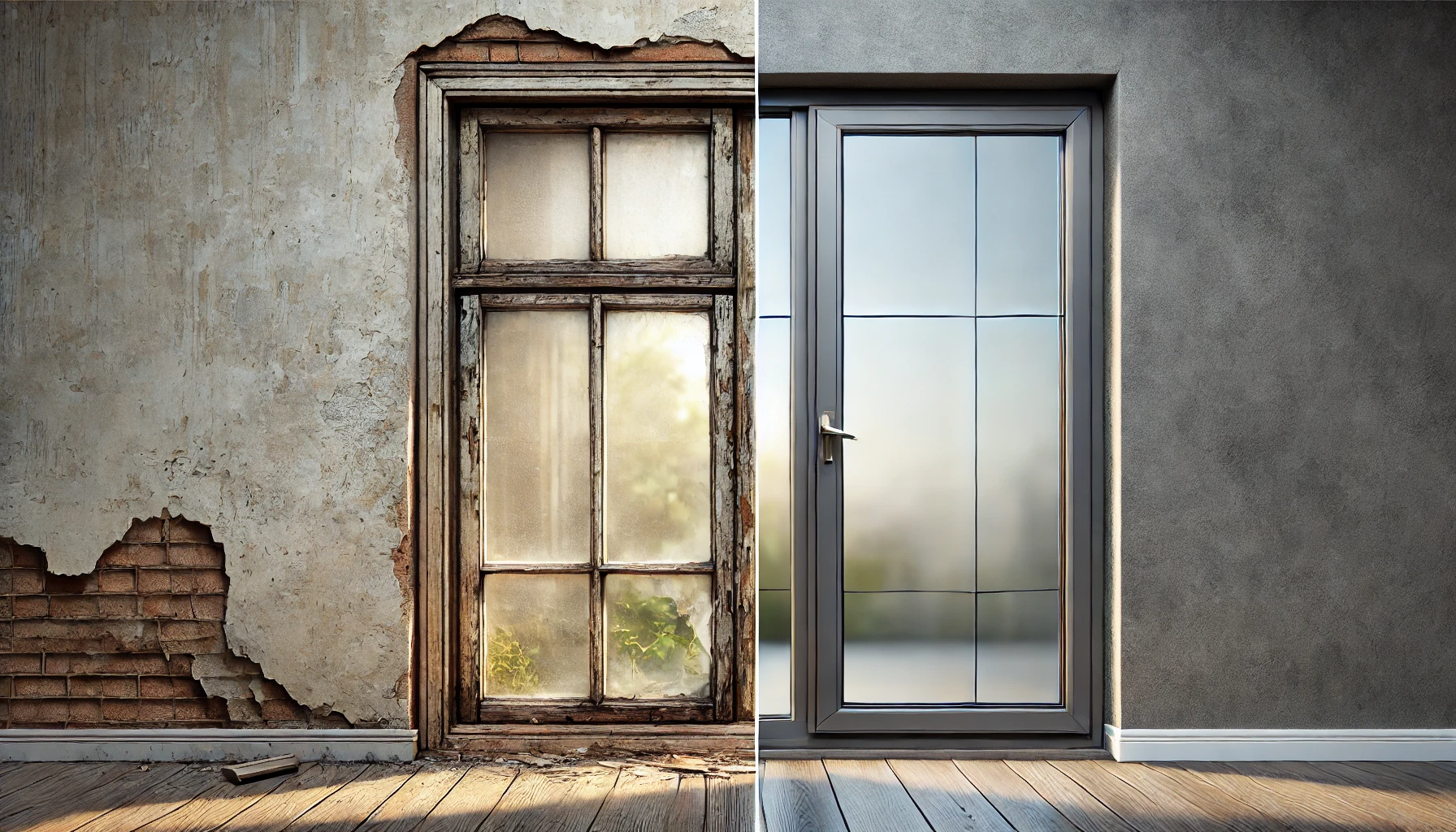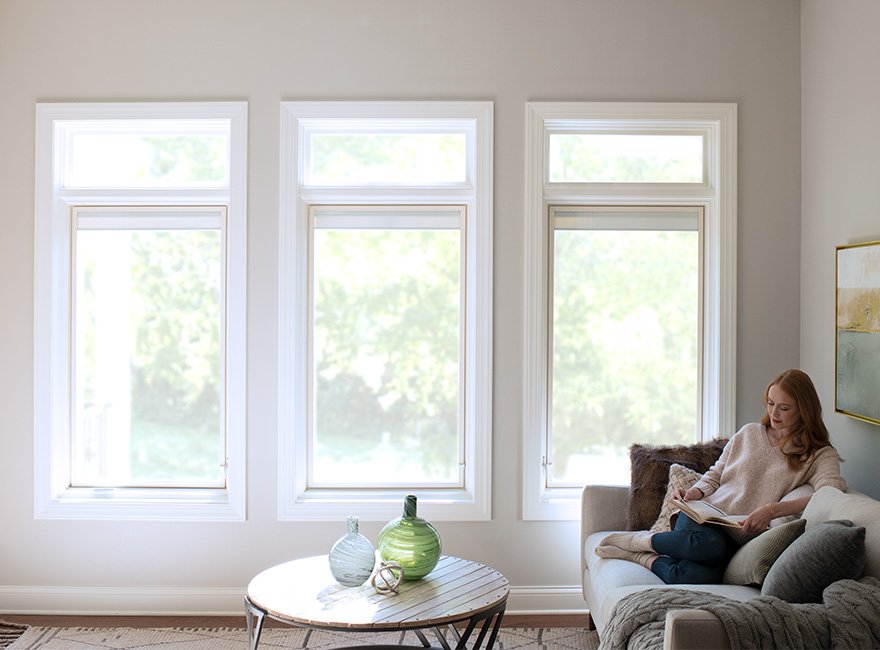
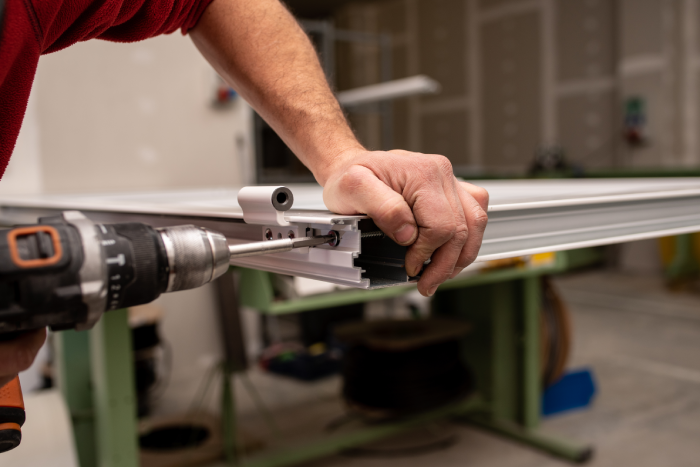
Thinking about swapping out your home’s windows? You’re definitely not the only one! A lot of homeowners find themselves questioning whether this investment will actually pay off when it’s time to sell. The quick answer is: absolutely! New windows can boost your home’s value, but the exact increase will depend on factors like the materials you choose, the state of your current windows, and the local real estate market.
Most sellers can expect to recover around 70–74% of their window replacement costs when they sell, based on the National Association of Realtors (NAR) data from 2025. Plus, the benefits of energy savings, enhanced curb appeal, and quicker sales can really enhance your overall return.
Vinyl replacement windows offer about a 74% cost recovery when it comes time to sell.
Wood replacement windows follow closely with around a 71% cost recovery at resale.
For a bit of context, the 2024 Cost vs. Value Report presents slightly lower numbers (67% for vinyl and 63% for wood). This discrepancy arises from the different methods used: NAR gathers insights directly from Realtors about actual buyer responses, while Cost vs. Value relies on modeling costs and resale values based on national averages.
When will you notice the biggest improvement?
Homes that have single-pane windows, are outdated, or show visible signs of damage.
Drafty interiors or noisy streets where potential buyers can’t help but feel uncomfortable.
Listings where the curb appeal and the front elevation are key factors.
Curb Appeal: Freshly designed, well-proportioned windows can really enhance a home’s exterior, making it pop in listing photos and during showings.
Comfort & Noise Reduction: Modern double- and triple-pane windows do a fantastic job of minimizing drafts and cutting down on outside noise—this is a huge plus in busy urban areas or high-traffic spots.
Energy Performance: The U.S. Department of Energy notes that windows can account for 25–30% of heating and cooling energy use. Upgrading to ENERGY STAR–rated windows can help reduce energy waste, although the savings can vary depending on your climate and insulation.
Safety & Security: Today’s windows come equipped with advanced locks, laminated glass, and sturdier frames for added protection.
Transferable Warranties: Buyers feel more at ease when warranties can be transferred to them, which shows that the windows are of high quality and have been well cared for.
Should You Replace Windows Before Selling?
Decision Checklist:
Are your windows over 20 years old?
Are you experiencing drafts, condensation, or broken seals?
Do any of your windows stick or have trouble opening and closing?
How do your neighbors’ windows look—will your outdated ones be an eyesore?
When are you planning to list your home—do you have time for a big project or not?
When repairs might be a better option:
Consider re-glazing or weather-stripping for those pesky minor leaks.
Think about replacing just the front-facing or most visible windows.
Look into sash replacement kits for wood windows that have failing frames.
Local buyer expectations can vary: In a place like Los Angeles, for instance, features like noise control and UV protection are highly sought after, so investing in energy-efficient, low-E glass could boost your home’s value more than in other areas.
What Type of Windows Return the Most? (Material & Glass Choices)
Here’s a quick rundown for the materials:
Vinyl: It’s budget-friendly, efficient, and offers a solid return on investment.
Wood: While it looks stunning and gives a high-end feel, the price tag can make the ROI a bit less appealing.
Fiberglass/Aluminum: These options are tough and have a sleek, modern vibe, but the return on investment can vary based on what buyers are looking for.
Now, let’s talk about glass features:
Low-E coatings are great for cutting down on UV rays and heat transfer.
Filling the space with gases like argon or krypton can really enhance insulation.
If you’re in a very cold area, triple-pane windows are the way to go, though they do come with a higher price.
And remember, style consistency is key! Always ensure that your choices align with your home’s architectural style as overdoing it can negatively impact resale value.
Features That Influence Value
Feature
What It Does
Best For
Adds Resale Value
Notes
Vinyl Frames
Affordable, efficient, low-maintenance
Most homes
High
Best ROI nationwide.
Wood Frames
Premium look, natural insulation
Historic/traditional homes
Medium
Higher cost, higher maintenance.
Fiberglass
Durable, energy-efficient
High-end/modern homes
Medium
ROI depends on buyer preference.
Low-E Coating
Blocks UV, reduces heat gain
Sunny climates
High
Helps protect interiors.
Triple Pane
Strong insulation, noise reduction
Cold or noisy regions
Medium
Costs more, ROI varies by market.
Reading the Energy Label So You Don’t Overpay
When you’re on the hunt for new windows, keep an eye out for the NFRC label, which stands for the National Fenestration Rating Council. Here are some key terms to help you out:
U-Factor: This tells you how well the window insulates. The lower the number, the better it is at keeping the heat in or out.
SHGC (Solar Heat Gain Coefficient): This measures how much solar heat can sneak through the window. A lower number means less heat gain, which is great for keeping your space cool.
VT (Visible Transmittance): This indicates how much natural light comes through. A higher number means your rooms will be brighter and more inviting.
Quick Reference:
For hot and sunny areas: Aim for a low U-Factor and a low SHGC.
In mixed climates: Look for a moderate U-Factor with a balanced SHGC.
For cold climates: Go for a low U-Factor and a higher SHGC to take advantage of passive solar gain.
Costs, Rebates & Tax Credits (and How They Change the Math)
When it comes to costs, here’s what you can expect:
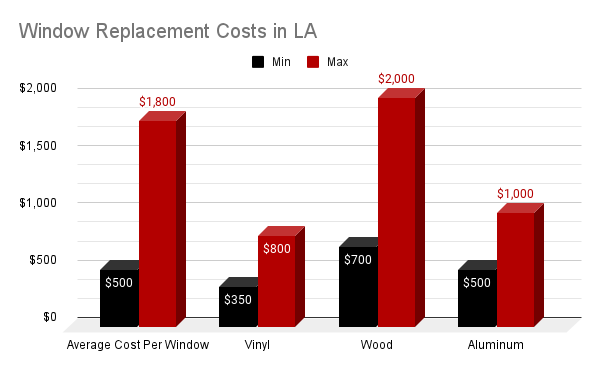
For mid-range vinyl replacements, you’re looking at about $500 to $1,000 per window.
If you’re considering premium options like wood or fiberglass, that price jumps to around $800 to $1,500 per window.
For a full-house project, the total can range from $20,000 to over $40,000.
Don’t forget about the Federal Tax Credit for 2025. Under the Energy Efficient Home Improvement Credit (IRC 25C), homeowners can snag up to $1,200 each year for specific upgrades, though there’s a limit for windows. Just make sure to double-check this when you’re making your purchase.
Also, many local utilities offer rebates, so it’s worth checking your ZIP code to see what incentives might be available!
How to Maximize Your Return (Seller & Long-Term Owner Tips)
For window replacements, start with the ones that are most visible or in the worst shape.
Stick to standard sizes to keep costs down and avoid pricey custom orders.
Make energy certifications like NFRC and ENERGY STAR your top priority, rather than focusing solely on unique designs.
Keep all labels, invoices, and warranty information handy for your real estate agent.
Always hire professional installers—if the installation is done poorly, it can negate any energy savings and decrease the overall value.
Fusion Windows & Doors: Local Help, Real Numbers
At Fusion Windows & Doors, we’ve been dedicated to helping homeowners in Los Angeles enhance their comfort, boost curb appeal, and increase their home’s value for more than twenty years. Our expert team focuses on a variety of materials, including vinyl, wood, aluminum, and custom glass packages, all designed to blend style with efficiency.
Fusion Windows & Doors provides premium brands, precision installation, and tailored guidance for homes across Los Angeles and Southern California.
Get a free quote today to get professional insight into your home’s window lifespan, performance, and best replacement options.
When it comes to choosing the best door company in Los Angeles, homeowners have more than just aesthetics to consider. Energy efficiency, craftsmanship, security, and customization all play major roles in determining which company is right for your project. Whether you’re remodeling your entryway, upgrading interior doors, or outfitting a luxury build with custom pivot doors, selecting a reputable company makes all the difference in quality and long-term performance.
To help guide your decision, we’ve compiled a detailed list of the top 5 door companies in Los Angeles. These companies were chosen based on product variety, customer satisfaction, installation expertise, and value.
Upgrade Your Home with Premium Doors
Discover a wide selection of top-quality doors, expertly installed to enhance your home’s style, comfort, and energy efficiency.
How We Ranked the Top Door Companies in Los Angeles
Choosing the right door company in Los Angeles requires careful consideration of several key factors:
Material Options: Including wood, steel, fiberglass, glass, and aluminum.
Design Variety: Availability of modern, traditional, rustic, and artistic designs.
Energy Efficiency: Doors that provide proper insulation and reduce energy loss.
Customization: Ability to create doors based on personal style and functional requirements.
Customer Reviews: Feedback on platforms like Google, Yelp, and Houzz.
Industry Reputation: Years in business and recognition by professionals.
Certified Installers: In-house vs. subcontracted installation teams.
Project Support: Responsiveness during and after installation.
Warranty Coverage: Both product and labor warranty terms.
Clear Pricing: No hidden charges or surprise fees.
Overall Value: Competitive prices paired with strong quality and service.
1. Fusion Windows and Doors – Burbank, CA
Best Overall for Quality, Customization & Full-Service Installation
Fusion Windows and Doors is widely regarded as the top door company in Los Angeles, and for good reason. With a reputation built on quality craftsmanship, elite-level customer service, and a curated catalog of premium brands, Fusion offers a true end-to-end solution for discerning homeowners.
What Sets Fusion Apart
Unlike many retailers who only offer limited stock or subcontract installation, Fusion handles everything in-house, from consultation to completion. Their specialists work with you to choose the right doors for your home based on function, budget, and aesthetic goals. Their Burbank showroom features a wide range of products from luxury brands, and their experienced installers ensure every project is finished with precision.
Brands Offered
Fusion is a leading dealer for:
Andersen
Marvin
Fleetwood
Milgard
LaCantina
Velux (Skylights)
Windsor
Product Range
Custom entry doors (wood, fiberglass, steel)
French and sliding doors
Pivot doors
Bi-fold and multi-slide systems
Patio and side doors
Energy-efficient doors with insulated glass and weather seals
Services
In-depth home consultations
Product education and recommendations
Custom ordering and sizing
Complete professional installation (no outsourcing)
Post-installation inspections
Service Areas
Fusion services a wide range of locations, including:
Burbank, Pasadena, Glendale
Beverly Hills, San Marino
Santa Clarita, Thousand Oaks
San Fernando Valley, Riverside, San Bernardino
Customer Feedback
Homeowners, contractors, and interior designers rave about Fusion’s product knowledge and installation team. Reviews highlight the team’s professionalism, punctuality, and ability to bring a design vision to life, whether it’s a modern pivot door or a traditional French door. Multiple customers cite improved energy efficiency and curb appeal after installing Fusion products.
“Fusion helped us install a custom bi-fold door system that completely transformed our living room and patio connection. They walked us through every step and handled everything from measurement to cleanup.”
2. Urban Doors – Los Angeles, CA
Best for Custom Design & In-Stock Selection
Urban Doors is a massive door manufacturer and retailer offering one of the largest inventories in the U.S. With a 50,000-square-foot showroom and in-house design and fabrication capabilities, they cater to homeowners, designers, and contractors looking for high-end, artistic, and functional doors.
What Sets Urban Doors Apart
Urban Doors does everything in-house, from design and material sourcing to construction and finishing. This vertical integration allows them to offer thousands of doors in-stock for same-day purchase or delivery. Their catalog includes styles from Mediterranean to Moroccan, modern to rustic.
Product Categories
Interior and exterior wood doors
Fiberglass doors
Iron and steel doors with glass
Sliding barn doors (up to 60” wide!)
Carved and hand-finished artistic doors
Cash-and-carry doors ready for immediate pickup
Materials
Mahogany
Alder
White oak, red oak
Bamboo, walnut, and custom veneers
Customer Feedback
Urban Doors is praised for its huge variety, fair pricing, and artistic craftsmanship. Many customers and contractors choose them for their design flexibility, immediate availability, and ability to deliver oversized or custom doors at competitive prices.
3. Contractors Wardrobe® – Valencia, CA
Best for Interior Sliding, Shower, and Room Divider Doors
With over 50 years in business, Contractors Wardrobe® (Cw®) is a trusted name in interior door design and manufacturing. Known for stylish wardrobe doors, sliding shower enclosures, and custom room partitions, they bring modern engineering to everyday living spaces.
Specialty Products
Sliding wardrobe and mirrored doors
Heavy-glass and Duratuf® shower enclosures
Painted glass room dividers
Custom vanity mirrors and interior partitions
Their uDivide® line of room dividers is especially popular among urban dwellers and modern designers for creating flexible, multi-purpose spaces.
Why They Stand Out
All Cw® products are made in the U.S. at their 258,000 sq. ft. manufacturing headquarters in Valencia. They offer design flexibility with multiple glass options, hardware finishes, and installation configurations. Their Diamond Quality Guide helps customers make selections based on durability, aesthetics, and price point.
Customer Feedback
Cw® is a favorite for interior designers and contractors. Reviews highlight the company’s precision engineering, style options, and long-lasting finishes. While not an entry door company, Cw® is the go-to brand for interior door solutions.
4. ETO Doors – Downtown Los Angeles
Best for Commercial and Hospitality-Grade Doors
Founded in 2005, ETO Doors is a manufacturer and direct-to-consumer retailer specializing in high-end, performance-tested doors for both residential and commercial use. With over a million doors sold, they cater to architects, hoteliers, and homeowners seeking certified, custom-built options.
Core Offerings
Fire-rated and impact-certified doors
Commercial steel and metal doors
Fiberglass, white oak, and rustic hardwood doors
French doors, pivot doors, and decorative entry doors
Special Features
Factory-direct pricing
FSC-certified wood options
Energy Star-rated products
Custom sizing for commercial and luxury projects
Customer Feedback
Customers appreciate ETO’s wide variety and direct-to-door pricing. Their Los Angeles showroom gives buyers the chance to see and touch different models before ordering. ETO is highly rated by general contractors who rely on its delivery speed, volume discounts, and tested certifications.
5. Glenview Doors – Distributed Nationally
Best for Luxury Wood Pivot and Custom Entry Doors
Glenview Doors combines old-world craftsmanship with cutting-edge European technology to deliver some of the most exquisite wood doors available today. Known for their signature EuroTech™ construction, Glenview doors are engineered to resist warping, cracking, and weather damage while maintaining the elegance of solid wood.
Standout Lines
Modern Pivot Doors (up to 5 feet wide)
Hurricane-rated entry systems
Aluminum-clad wood doors for coastal and high-moisture climates
Steel and glass designs for modern interiors
Classic wood entry doors with rich finishes
Customization Options
From mahogany to walnut and oak, Glenview offers an extensive list of wood species, finishes, and glass inserts. Their Pivot, Modern, and Classic collections can be fully tailored to meet the needs of any architectural style.
Customer Feedback
Glenview is a favorite among architects and high-end homebuilders. Clients appreciate the fusion of craftsmanship and technology. While more expensive than most brands, their longevity, insulation, and aesthetics justify the price.
How to Choose the Best Door Company in Los Angeles
Selecting a door company involves more than just browsing catalogs. Here are some tips to make the right choice:
Assess Your Needs
Entry vs. Interior Doors: Some companies specialize in one over the other.
Style Compatibility: Consider how the door fits into your home’s architecture.
Functional Priorities: Think about energy efficiency, security, sound insulation, etc.
Research the Company
Read Reviews: Look for recent, verified reviews with detailed experiences.
Check Certifications: Ensure they’re licensed, bonded, and insured.
View Showrooms: Visit physical locations to compare materials and finishes in person.
Understand the Process
Consultation: Choose companies that offer thorough pre-purchase guidance.
Installation: Ask if installers are in-house and trained on specific brands.
Support: Look into warranties, repairs, and post-install service.
Frequently Asked Questions
What type of door is best for energy efficiency?
Fiberglass and insulated steel doors often provide the best performance. Brands like Marvin and Andersen offer great options.
Can I customize a door for my home?
Yes. Most top companies offer full customization, including materials, finishes, glass options, and hardware.
How long does it take to install a new door?
It depends on the type and customization. Stock doors may be installed in 1–2 days, while custom orders can take several weeks.
Do door companies offer warranties?
Yes. Top companies offer warranties that may include both the door product and the installation labor.
What should I expect to pay for a new entry door?
Basic doors start around $600–$1,200, while custom luxury doors can range from $3,000 to $10,000+, depending on size, design, and material.
Choosing windows for your home can seem simple, but the decision often becomes overwhelming with all the options available. Finding the right window company in Los Angeles is key to making an informed decision. A great company will help you choose the best solution for your home, rather than just selling you trendy or expensive products. When selecting the best window companies in Los Angeles, consider factors like product quality, customer service, and energy efficiency. Homeowners today prioritize durability and aesthetics, whether building a new home, renovating, or replacing outdated windows. The right company can make a significant difference in your project’s outcome.
Upgrade Your Home with Premium Windows
Discover a wide selection of top-quality windows, expertly installed to enhance your home’s style, comfort, and energy efficiency.
We’ve simplified the process by evaluating and comparing the top window companies in Los Angeles based on customer reviews, product offerings, and overall value. Just review our findings to find the company that best suits your needs.
Whether you’re looking for custom solutions, reliable options, or innovative designs, our selection ensures you’ll find a window company in Los Angeles that meets your requirements.
How We Ranked the Top Window Companies in Los Angeles
Choosing the right window company in Los Angeles requires careful consideration of several factors. Here’s how we evaluated and ranked the top window companies in Los Angeles:
Product Quality and Range
Energy Efficiency: Products should meet or exceed Energy Star standards, offering excellent insulation and durability.
Material Options: Availability of various materials like vinyl, wood, fiberglass, and aluminum to cater to different customer preferences.
Durability: How often do these products last inside a home
Versatility: How compatible are their designs with different styles of homes/customers’ needs
Warranty: How long are essential parts such as hardware, glass, and sashes supported after purchasing , and how effective and efficient are service teams/technicians in providing support.
Customer Satisfaction
Customer Reviews: Ratings and feedback from real customers on platforms like Yelp and Google, focusing on the consistency of positive experiences. Reviews should include/address ease of purchasing, quality of products, quality of installation, and the post-purchase/post-install service/communication.
Reputation: Longevity in the market and recognition by industry bodies, indicating a strong track record.
Pricing and Value
Cost Transparency: Clear and upfront pricing with no hidden fees.
Value for Money: Offering high-quality products and services at competitive prices.
Installation and Support
Professionalism: Certified installers with proven experience and customer support that is responsive and helpful.
Warranty: Comprehensive warranty options that cover both products and installation services.
Servicing: How quickly and professionally are issues such as repairs and replacements done by the dealer and/or the company providing the windows.
Customization and Flexibility
Custom Solutions: Ability to offer tailored designs and solutions to meet unique customer needs. Determining what makes sense for the homeowner in terms of visual needs and functionality.
Service Flexibility: Providing options like virtual consultations and quick response times. Ability to communicate with the customer and articulately answer any questions they may have.
1. Fusion Windows and Doors Los Angeles
Fusion Windows and Doors is a well-established provider of premium windows, offering a wide range of products designed to enhance both the aesthetic appeal and energy efficiency of homes. Known for their expertise and attention to detail, Fusion Windows and Doors has earned a solid reputation in the Greater Los Angeles area, for delivering quality products and professional installation services.
The specialists are constantly undergoing training to stay updated on the latest industry standards and innovations, ensuring that every project benefits from the most advanced techniques and knowledge.
Service Range
Fusion Windows and Doors provides a comprehensive array of services, including sales and professional installation for windows. Their process begins with a personalized consultation, where a specialist will assess your home’s specific needs, ensuring that the products selected are perfectly suited to your style and budget.
Brands Offered
Fusion Windows and Doors proudly offers products from some of the most respected brands in the industry, ensuring a wide selection that caters to various styles and budgets:
Milgard: Known for its durable and energy-efficient windows, Milgard offers a variety of materials, including vinyl, aluminum, and fiberglass.
Fleetwood: Specializes in luxury, modern windows with a focus on sleek designs and high-end materials. Fleetwood is a leading full-aluminum window and door company and is the favored choice for contractors and homeowners alike.
LaCantina: Focuses on both traditional and contemporary options, versatile designs that can accommodate any style of home. Catering to a crowd who prefers both modern and rustic looks, LaCantina handles a plethora of materials, such as aluminum, aluminum-wood, wood, and vinyl. LaCantina is a great choice for those who may not want full-aluminum products, but still prefer a modern and clean design for their home.
Andersen: Offers timeless craftsmanship with a wide range of customizable windows that blend traditional beauty with modern efficiency. Andersen’s materials range from vinyl, fiberglass, to aluminum. Andersen also exclusively offers their patented Fibrex windows, a composite material, made out of wood and vinyl fibers.
Marvin: Renowned for its elegant, handcrafted windows that offer a perfect blend of style and functionality. Marvin offers fiberglass Essential Series, fiberglass-clad Elevate Series, and their flagship aluminum-clad Signature Series.
Windsor: Delivers precision-crafted windows that combine sustainability with timeless designs.
Velux: Specializes in skylights that enhance natural lighting and energy efficiency in your home. Velux products range from stationary all the way to remote-operated skylights. Velux is often used by contractors, due to its cost, design, reliability, durability, and ease of installation.
Product Showroom
Fusion Windows has a large showroom located in Burbank, with a plethora of product lines from companies such as Milgard, Andersen, Fleetwood, Marvin, and LaCantina inside.
Evaluation and Purchasing Process
Consultation: Begin with a detailed consultation where a Fusion Windows and Doors expert will evaluate your home and recommend the best products to meet your needs.
Measurement and Product Selection: Precise measurements are taken by a professional installer to ensure a perfect fit. Customers are guided through the selection of styles, materials, and designs to best suit their homes.
Order and Installation: Once the order is confirmed, Fusion’s in-house installation team, with over 20 years of experience, handles the delivery and installation, ensuring that the process is smooth, efficient, and done on time.. The installers are known for their thoroughness, experience, and expertise, ensuring that every window is installed with precision due to their
Product Range
Fusion Windows and Doors offers a diverse selection of high-quality products, including:
Windows:
Vinyl Windows: Durable and energy-efficient, including options like sliding, casement, double-hung, bay, bow, garden, picture, and architectural shapes.
Premium Wood-Clad Windows: Combining the beauty of wood with the durability of vinyl, these windows are available in styles such as double-hung, casement, direct set, and radius windows.
Additional Products: Siding, shutters, and roofing options are also available, providing a comprehensive solution for home exterior upgrades.
Service Area
Fusion Windows and Doors serves the greater Los Angeles area, providing their expertise and high-quality products to a broad range of communities. Their extensive service area ensures that homeowners throughout Southern California can benefit from their reliable installation services and premium product offerings.
Customer Feedback Analysis Summary
Fusion Windows and Doors Los Angeles has received mainly positive reviews, with customers highlighting both positive experiences and areas for improvement. On the positive side, many customers appreciate the professionalism and expertise of the installation teams, noting that the staff is courteous and the installations are generally completed with care and attention to detail. The company’s competitive pricing and extensive product range are also frequently praised.
2. Home Depot
Home Depot is a leading name in the home improvement industry, offering an extensive range of windows to suit various styles and budgets. Known for their reliable service and high-quality products, Home Depot is a go-to choice for homeowners in the Los Angeles area looking for both convenience and quality.
Service Range Home Depot provides a comprehensive range of services, from sales to professional installation for windows. Their process begins with a free consultation, where a design expert will help you choose the right products for your home. Whether you prefer an in-person consultation or a virtual one, Home Depot ensures that your selections are tailored to your needs and budget. Once your custom order is placed, their team of local, licensed, and insured contractors will handle the installation with precision and professionalism.
Installation Process Home Depot offers a streamlined and professional installation process for windows. The process begins with a free consultation, where a design consultant can meet with you either in person at your home or virtually through a video conference. During this consultation, the consultant will inspect and measure your windows spaces, help you choose the right products for your home, and provide a detailed quote that is valid for 30 days.
Measurement and Product Selection: For windows, the design consultant will measure your existing windows and assist you in choosing the right replacement options. The consultant will guide you through selecting the best style, material, and design to meet your needs.
Order and Installation: After confirming your order, Home Depot’s installation specialists will handle the delivery and professional installation of your windows. The installer will remove your old units, address any damages if possible, and ensure that your new windows are installed with care and precision. The entire process, from purchase to installation, is designed to be efficient and typically takes a few weeks to complete.
Brands Offered Home Depot partners with some of the most trusted names in the industry, ensuring access to a wide range of products for windows:
Andersen: Renowned for its energy-efficient and stylish windows, available in various materials such as wood, composite, and vinyl.
Simonton: Known for innovative designs and superior energy efficiency, offering a variety of window styles, including casement, double-hung, and bay windows.
Ply Gem: Offers beautifully designed windows that enhance architectural character, focusing on energy efficiency and comfort.
Jeld-Wen: Provides durable and aesthetically pleasing windows, focusing on energy efficiency and long-lasting performance.
Milgard: A leading manufacturer of windows, offering products that combine durability with high energy efficiency.
ProtecSure by PGT: Specializes in impact-resistant windows, ideal for areas prone to harsh weather conditions.
Service Area Home Depot’s services are widely available across Los Angeles County, ensuring that homeowners can easily access their extensive product range and professional installation services. With numerous store locations and a strong network of local contractors, Home Depot makes it convenient to upgrade your home’s windows.
Customer Feedback Analysis Summary Home Depot’s window installation services have received a mixed but generally positive reception from customers. With an average rating of 4.3 out of 5 stars based on over 82,000 verified reviews, 82% of customers recommend their services. Customers frequently commend the fast and clean service, with many appreciating the quality of the products and the efficiency of the installation process.
However, some reviews highlight areas where Home Depot could improve. Common concerns include long wait times when contacting customer service, leading to frustration for some customers. Additionally, issues with scheduling and communication during the installation process have been noted, with a few customers experiencing delays that affected their overall satisfaction. Despite these concerns, the majority of customers express satisfaction with the final results, particularly praising the professionalism of the installers and the overall value for money provided by Home Depot’s window installation services.
3. Lowe’s
Lowe’s is a well-established name in the home improvement industry, offering a wide selection of windows to meet various needs and styles. Known for their extensive product range and reliable installation services, Lowe’s is a trusted choice for homeowners in Los Angeles who seek both quality and convenience.
Service Range Lowe’s provides comprehensive services that include both the sale and professional installation of windows. The process begins with a consultation, where you can either meet with a Lowe’s design expert in-store or schedule an in-home appointment. This consultation helps you choose the right products based on your home’s needs, style, and budget. Lowe’s works with independent, licensed, and insured installers who ensure that every installation is handled with professionalism and care.
Installation Process
Consultation: Schedule a consultation with a Lowe’s design expert, either in-store, virtually, or in your home. The consultant will help you choose the best products for your project.
Measurement and Product Selection: A professional installer will visit your home to take precise measurements, ensuring that your windows will fit perfectly. The consultant will guide you in selecting the ideal style, material, and design.
Order and Installation: After confirming your order, Lowe’s independent installers will handle the delivery and installation. They will remove the old units, install the new ones with care, and clean up afterward. All installations are backed by a one-year labor warranty, providing additional peace of mind.
Product Range Lowe’s partners with top brands in the industry, offering a wide variety of products for windows. Their selection includes:
Windows:
Pella: High-quality windows known for energy efficiency and innovative designs.
JELD-WEN: Offers durable and aesthetically pleasing windows with a focus on performance.
ReliaBilt: Provides affordable, reliable windows ideal for various home styles.
United Window & Door: Known for their versatility and energy-efficient solutions.
Service Area Lowe’s services are available throughout Los Angeles County, making it easy for homeowners across the region to access their extensive product range and professional installation services. With numerous locations and a large network of independent installers, Lowe’s ensures that every project is completed efficiently and to the highest standards.
Customer Feedback Analysis Summary Lowe’s window installation services receive generally positive feedback, with customers appreciating the wide range of product options and the professionalism of the installation teams. Many customers note the convenience of scheduling consultations and the quality of the finished installations. The one-year labor warranty is frequently mentioned as a significant benefit, offering peace of mind to homeowners.
However, some customers have pointed out issues related to scheduling and communication with installers, with occasional delays in project completion. Additionally, while the variety of products is praised, some customers found the selection process overwhelming without adequate guidance. Overall, Lowe’s is valued for its product quality and reliable installation services, making it a strong contender for home improvement projects in the Los Angeles area.
4. Window World of Los Angeles
Window World of Los Angeles is a trusted provider of high-quality windows, known for offering durable, energy-efficient products at competitive prices. With a strong focus on customer satisfaction and a proven track record in the Los Angeles area, Window World has become a go-to choice for homeowners looking for reliable and affordable window solutions.
Service Range Window World of Los Angeles offers a comprehensive range of services, including sales and professional installation of windows. Their process begins with a free consultation, where a design expert will assess your home’s needs and help you choose the right products. Whether you’re looking to enhance your home’s energy efficiency, improve its aesthetic appeal, or replace outdated windows, Window World provides tailored solutions that fit your budget. Their team of licensed and insured contractors handles every installation with care and professionalism, ensuring a smooth and hassle-free experience.
Installation Process
Consultation: Schedule a free consultation with a Window World design expert. During this meeting, the consultant will assess your home’s needs and recommend the best products for your project.
Measurement and Product Selection: A professional installer will take precise measurements of your windows, ensuring a perfect fit. The consultant will guide you in selecting the ideal style, material, and design.
Order and Installation: Once your order is confirmed, Window World’s installers will handle the delivery and installation of your new windows. They will remove the old units, install the new ones with precision, and clean up afterward. The process is designed to be efficient and customer-focused, providing peace of mind with every project.
Product Range Window World offers a wide range of products, ensuring that homeowners can find the perfect match for their home’s style and functionality. Their product lineup includes:
Windows:
Vinyl Windows: Durable and energy-efficient options, including sliding, casement, double-hung, bay, bow, garden, picture, and architectural shapes.
Wood-Clad Windows: Premium wood-clad options that combine the beauty of wood with the durability of vinyl, available in various styles such as double-hung, casement, direct set, and radius windows.
Service Area Window World of Los Angeles serves a broad region within Los Angeles County, including the surrounding areas. Their extensive service area ensures that homeowners across Southern California can benefit from their high-quality products and expert installation services. With a focus on delivering excellent customer service, Window World makes it easy for homeowners to improve their homes with new windows.
Customer Feedback Analysis Summary Window World of Los Angeles has garnered positive reviews for its products and services, earning an average rating of 4.5 out of 5 stars based on numerous customer testimonials. Customers frequently praise the company’s professionalism, the quality of the windows, and the overall value provided. Many reviews highlight the efficiency and courtesy of the installation teams, with customers noting the smooth and hassle-free installation process.
However, some customers have pointed out areas for improvement, particularly in terms of communication and scheduling. While the majority of experiences are positive, a few customers mentioned delays in the installation timeline and challenges in reaching customer service. Despite these occasional issues, Window World’s commitment to standing behind their products and services, as well as their willingness to address and resolve customer concerns, has solidified their reputation as a reliable provider in the Los Angeles area.
5. Renewal by Andersen
Renewal by Andersen is a premier provider of custom-crafted windows, known for their exceptional quality and energy efficiency. With a focus on delivering a seamless customer experience, Renewal by Andersen has become a leading choice for homeowners in the Los Angeles area who are looking for high-end, durable solutions.
Service Range Renewal by Andersen offers a comprehensive range of services, from sales to professional installation for windows. The process begins with a free in-home consultation, where a design expert will assess your home’s current window situation, identify any unique installation challenges, and provide personalized solutions. Whether you’re looking to enhance your home’s energy efficiency, improve its appearance, or replace outdated windows, Renewal by Andersen ensures that your selections are tailored to your needs and budget. Their team of local, licensed, and insured contractors handles every installation with precision and professionalism.
Installation Process
Consultation: Schedule a free in-home consultation with a Renewal by Andersen design consultant. During this meeting, the consultant will listen to your needs and provide a plan to improve your home.
Measurement and Manufacturing: After confirming your choices, a project technician will ensure accurate measurements and finalize your custom window orders.
Order and Installation: Once your windows are ready, Renewal by Andersen’s professional installers will complete the installation, treating your home with care and cleaning up afterward. The process is designed to be hassle-free, ensuring a seamless experience from start to finish.
Product Range Renewal by Andersen exclusively offers Andersen products, which are renowned for their craftsmanship and energy efficiency. Their range includes:
Double-Hung Windows: A traditional window style with a variety of design options.
Casement Windows: Known for energy efficiency and excellent ventilation.
Bay and Bow Windows: Perfect for enhancing a room’s view and adding architectural interest.
Picture Windows: Ideal for showcasing beautiful views with a fixed, non-operable design.
Sliding Windows: Maximizes the view with contemporary design and smooth operation.
Specialty Windows: Includes unique shapes like round, arch, and more, for custom designs.
Service Area Renewal by Andersen serves a broad region within Los Angeles County and beyond, with a strong presence in multiple communities. Their extensive service area ensures that homeowners across Southern California can benefit from their high-quality products and dedicated customer service. Whether you’re replacing a few windows or undertaking a complete home renovation, Renewal by Andersen provides the expertise and resources to ensure a successful project.
Customer Feedback Analysis Summary Renewal by Andersen’s window installation services are highly regarded by customers, earning an average rating of 4.3 out of 5 stars across numerous reviews. Customers consistently praise the company’s professionalism, the quality of the products, and the attention to detail throughout the installation process. Many appreciate the personalized service provided during the consultation and the seamless communication from start to finish.
However, some customers have noted areas for improvement, particularly in terms of pricing and the time taken for custom orders to be completed. While the premium pricing reflects the high quality of the products, it may be a consideration for budget-conscious homeowners. Despite these concerns, the majority of customers express satisfaction with the final results, emphasizing the energy efficiency and aesthetic appeal of their new windows.
How to Choose the Best Window Companies in Los Angeles
Selecting the right window dealer is a critical decision that goes beyond simply comparing prices. The dealer you choose will not only influence the aesthetic and functional outcome of your project but also impact your home’s energy efficiency and long-term value. Here are some essential tips to guide your decision:
Assess Your Needs: – Home Style Compatibility: Consider the architectural style of your home and how the windows will complement or enhance that style. Whether your home is modern, traditional, or somewhere in between, choose a dealer that offers designs aligned with your aesthetic vision. – Specific Requirements: Identify the specific types of windows you need, such as double-hung windows or bay windows. If you have unique sizes or shapes, ensure the dealer can provide custom designs to meet your requirements. – Functional Priorities: Think about additional features you might need, such as enhanced security options, noise reduction, or UV protection.
Check for Energy Efficiency: – Energy Star Certification: Prioritize dealers that offer Energy Star-certified products. These products are designed to reduce energy consumption, lower your utility bills, and contribute to a more comfortable indoor environment. – Insulation and Performance: Inquire about the insulation properties of the windows. Look for products with low U-factors and Solar Heat Gain Coefficients (SHGC), which indicate better performance in maintaining indoor temperatures and reducing energy costs.
Read Customer Reviews: – Reputation and Reliability: Research customer reviews across multiple platforms like Yelp, Google, and the Better Business Bureau. Look for consistent patterns of positive feedback regarding the dealer’s reliability, product quality, and customer service. – Case Studies and Testimonials: Seek out specific examples or case studies of previous projects similar to yours. Testimonials from satisfied customers can provide valuable insights into what you can expect from the dealer.
Evaluate Warranties and Support: – Comprehensive Warranty Coverage: Ensure that the dealer offers a robust warranty that covers both the products and the installation process. A good warranty should provide peace of mind, protecting your investment against manufacturing defects or installation errors. – Post-Installation Support: Investigate the level of customer support provided after the installation is complete. Reliable dealers should offer ongoing support, including maintenance tips, troubleshooting assistance, and easy access to replacement parts if needed.
Request Multiple Quotes: – Detailed and Transparent Pricing: Obtain quotes from at least three reputable dealers. Ensure that the quotes are detailed and transparent, clearly outlining the costs for materials, installation, and any additional services. – Value for Money: Don’t just choose the lowest price; consider the overall value. Evaluate what you’re getting for your money, including the quality of materials, the dealer’s reputation, and the level of service provided. Remember that a slightly higher upfront cost can result in better long-term value, especially with energy savings and durability.
By following these guidelines, you can make an informed decision and choose a window dealer that aligns with your needs, ensuring a successful and satisfying home improvement project
Frequently Asked Questions
Why should I choose Energy Star-certified windows?
Energy Star-certified windows are designed to be more energy-efficient, which can reduce your energy bills and improve the comfort of your home by better insulating it against temperature fluctuations.
How often should windows be replaced?
Typically, windows should be replaced every 15-20 years. However, this can vary depending on the material, weather conditions, and maintenance. If you notice drafts, difficulty in operation, or visible wear, it might be time for a replacement.
What is the difference between vinyl and fiberglass windows?
Vinyl windows are cost-effective, low-maintenance, and provide good energy efficiency. Fiberglass windows are more durable, offer better insulation, and can be more aesthetically pleasing, but they are generally more expensive.
Can I get custom-sized windows?
Yes, most top dealers offer custom-sized windows to fit unique spaces in your home. This is especially important for older homes or those with non-standard window sizes.
What factors should I consider when comparing quotes?
When comparing quotes, consider the quality of materials, energy efficiency, warranty options, and the reputation of the dealer. Don’t base your decision solely on price; ensure that the quote includes everything you need, with no hidden costs.
As door experts, we’re here to guide you in selecting the perfect doors for your space. Whether you’re looking for an exterior door that improves your home’s curb appeal and safety or an interior door that optimizes your space and flow, our expertise will help you navigate the options with confidence.
In this article, we will break down various door types, weigh their advantages and disadvantages, and highlight key considerations to ensure you make the best choice for your home or office.
Table of Contents
Types of Doors
Exterior Doors
Interior Doors
Factors to Consider When Choosing a Door
Comparison Charts
Conclusion
Exterior Doors
Panel Doors
Panel doors offer strong and sturdy construction, ensuring durability and enhanced security. They also provide good insulation, especially when made from solid wood or insulated fiberglass. However, they may require periodic maintenance, particularly if made from natural wood, which can warp or crack over time.
Best For:
Homeowners looking for a stylish, classic, and durable door option
Traditional and modern homes requiring a high-end look
Interior and exterior use, depending on material choice
Pros and Cons Table
Pros
Cons
Classic and versatile design
Can be expensive depending on material
Available in various materials
Requires maintenance, especially wood
Provides good insulation and security
Heavy and may need reinforced hinges
Flush Doors
Flush doors have a sleek, flat surface, making them an excellent choice for modern and minimalist home designs. They are typically made from plywood or MDF with a hollow or solid core. These doors are simple, easy to install, and require minimal maintenance. However, they may not provide the same decorative appeal as panel doors and can have limited durability in hollow-core variants.
Best For:
Modern and minimalist homes
Budget-conscious homeowners looking for an affordable yet functional door
Interior applications where aesthetics and simplicity are prioritized
Pros and Cons Table
Pros
Cons
Modern and simple aesthetic
Less decorative than panel doors
Affordable and lightweight
Hollow-core versions may lack durability
Easy to maintain and clean
Limited soundproofing
Dutch (Stable) Doors
Dutch doors, also known as stable doors, are uniquely designed with a horizontal split, allowing the top and bottom sections to operate independently. This feature is excellent for improving ventilation while maintaining security—making them a popular choice for kitchens, nurseries, and farmhouses. However, they require additional sealing to prevent drafts and may offer less security than full doors.
Best For:
Farmhouses, country-style, and rustic-themed homes
Kitchens and nurseries where ventilation and security are both needed
Homeowners looking for a decorative yet functional alternative to traditional doors
Pros and Cons Table
Pros
Cons
Allows for controlled ventilation
More expensive than standard doors
Adds a unique and charming look
Requires extra weatherproofing
Good for pet and child safety
Limited security compared to full doors
French Doors
French doors feature large glass panels framed in wood, fiberglass, or metal, creating an elegant, open feel. These doors allow abundant natural light to enter a space, making them ideal for connecting indoor and outdoor areas. Often used as patio doors or garden entryways, French doors enhance home aesthetics with their timeless appeal.
Best For:
Homeowners looking for stylish and light-filled door options
Living rooms, patios, and garden entrances
Spaces requiring a classic yet functional design
Pros and Cons Table
Pros
Cons
Enhances natural light and aesthetics
Requires regular glass cleaning
Available in various designs and materials
Less secure than solid doors
Creates a spacious, open feel
May require additional insulation
Sliding Patio Doors
Sliding patio doors operate on a smooth track system, making them a space-saving and convenient choice for accessing outdoor areas. Their large glass panels provide an unobstructed view of patios, balconies, or gardens, enhancing indoor-outdoor connectivity. However, their wide glass surface may pose security concerns and require additional locking mechanisms.
Best For:
Homes with patios, balconies, or garden access
Modern and contemporary home designs
Small spaces where a swinging door is impractical
Pros and Cons Table
Pros
Cons
Space-saving design
Can be difficult to secure
Allows for panoramic views
Requires regular track maintenance
Easy to operate
Limited width compared to swinging doors
Bi-fold Doors
Bi-fold doors consist of multiple panels that fold along a track, creating a seamless transition between indoor and outdoor spaces. They are commonly used in modern homes and commercial spaces to create a large, uninterrupted opening. These doors provide excellent natural light and ventilation while offering flexibility in partially or fully opening the doorway.
Best For:
Open-plan living spaces and modern homes
Large patio, deck, or garden entrances
Homeowners looking for a stylish, expansive door solution
Pros and Cons Table
Pros
Cons
Maximizes opening width
Can be expensive
Ideal for indoor-outdoor transitions
Requires regular maintenance of tracks and hinges
Stylish and contemporary
Needs space for panels to fold
Pivot Doors
Pivot doors are a bold architectural choice, rotating around a central hinge rather than swinging on side hinges. This unique operation allows for oversized, statement-making entrances that exude modern elegance. Pivot doors offer smooth, effortless motion and are often used in luxury homes or commercial spaces.
Best For:
Luxury homes, hotels, and commercial buildings
Homeowners seeking a bold and unique entrance design
Large entryways requiring a modern, upscale aesthetic
Pros and Cons Table
Pros
Cons
Creates a dramatic, stylish entryway
Requires precise installation
Smooth and effortless operation
Can be expensive due to custom hardware
Available in large sizes
Not as energy-efficient as other doors
Metal Doors
Metal doors, typically crafted from steel or aluminum, are designed for superior security and durability. They are commonly used in commercial and residential applications that require extra protection. These doors are highly resistant to forced entry, making them an excellent choice for security-conscious people. Many metal doors come with fire-resistant properties enhancing safety.
Best For:
High-security areas, including commercial buildings and residential entryways
Fire-prone zones requiring fire-rated door options
Homeowners looking for low-maintenance, impact-resistant doors
Pros and Cons Table
Pros
Cons
Superior security and strength
Can be prone to rust without proper coating
Fire-resistant options available
Heavy and difficult to install
Long-lasting and durable
May dent upon heavy impact
Fiberglass Doors
Fiberglass doors are a popular alternative to wood and metal doors, offering a perfect balance of durability, energy efficiency, and aesthetics. These doors are designed to resist warping, cracking, and rotting, making them ideal for humid or harsh weather conditions. They can mimic the look of natural wood without the high maintenance, making them an attractive option for homeowners.
Best For:
Homeowners seeking a durable, low-maintenance alternative to wood doors
Regions with extreme weather conditions, including high humidity or heavy rain
Energy-conscious individuals looking to improve insulation
Pros and Cons Table
Pros
Cons
Resistant to warping, cracking, and rotting
Higher upfront cost
Energy-efficient with excellent insulation
Limited design customization compared to wood
Low maintenance
Can be difficult to repair if damaged
Storm Doors
Storm doors are secondary doors installed in front of an exterior door to provide additional protection against harsh weather conditions. They serve as a barrier to rain, snow, and wind while improving insulation and energy efficiency. Many storm doors feature interchangeable glass and screen panels, allowing homeowners to adjust for ventilation during warmer months.
Best For:
Homes in regions with extreme weather, providing additional protection for exterior doors
Improving energy efficiency by adding an extra insulating layer
Homeowners looking for a flexible option that allows seasonal ventilation
Pros and Cons Table
Pros
Cons
Protects main door from weather damage
Can alter the look of entryway
Enhances insulation and energy efficiency
Requires additional installation
Allows for ventilation with screen panels
Not as sturdy as primary exterior doors
Glazed Doors
Glazed doors incorporate glass panels within their structure, enhancing both aesthetics and natural lighting. They can be fully or partially glazed, providing a balance between privacy and openness. These doors are often used in contemporary and modern home designs, offering a sleek and elegant appearance.
Best For:
Homes seeking enhanced natural lighting and a modern aesthetic
Interior doors or office spaces where transparency is desired
Homeowners who prefer decorative or frosted glass for added privacy
Pros and Cons Table
Pros
Cons
Increases natural light in a space
Requires frequent glass cleaning
Enhances modern and elegant aesthetics
Less privacy depending on glazing
Can be customized with different glass types
More vulnerable to breakage
Interior Doors
Pocket Doors
Pocket doors slide into a concealed wall cavity, making them an excellent space-saving solution for areas where a traditional swinging door would be impractical. These doors are ideal for small bathrooms, closets, or rooms where maximizing floor space is essential. Available in various styles and finishes, pocket doors create a seamless, modern look when closed.
Best For:
Small spaces such as bathrooms, closets, or pantries
Minimalist or modern home designs
Homeowners looking to maximize usable floor space
Pros and Cons Table
Pros
Cons
Saves space in small areas
Requires complex installation
Creates a seamless, modern look
Harder to repair if issues arise
Available in various styles and finishes
Limited sound insulation
Barn Doors
Barn doors slide along an overhead track, adding a stylish, rustic touch to interiors. Originally used in agricultural settings, they have become a popular design choice for contemporary homes, often used as room dividers, pantry doors, or closet covers. Barn doors are easy to install and operate, making them a functional yet decorative addition.
Best For:
Rustic, farmhouse-style, or industrial-inspired interiors
Open-concept spaces that need a decorative yet functional door
Homeowners looking for an easy-to-install alternative to hinged doors
Pros and Cons Table
Pros
Cons
Stylish and trendy appearance
Less soundproof than traditional doors
Easy to install and operate
Requires sufficient wall space for sliding
Works well for large openings
May not provide complete privacy
Accordion Doors
Accordion doors are lightweight, folding doors that collapse like an accordion when opened. They are commonly used for closets, room dividers, or temporary partitions, making them a practical choice for compact spaces. These doors are affordable and available in various materials, from plastic to wood veneer.
Best For:
Closets, laundry rooms, or small storage areas
Temporary room dividers in office or commercial settings
Budget-conscious homeowners looking for a space-saving solution
Pros and Cons Table
Pros
Cons
Space-saving and easy to install
Less durable than solid doors
Affordable and available in various materials
Limited sound insulation
Ideal for closets or temporary dividers
Can look less sophisticated
Saloon Doors
Saloon doors, also known as café doors, are short, swinging doors typically found in kitchens, bars, or entryways where partial separation is needed. They provide a vintage, Western-inspired charm while allowing easy access in both directions. Unlike traditional doors, they do not have a full-length design, meaning they offer little privacy and minimal sound insulation.
Best For:
Kitchens, home bars, or café-style entrances
Decorative interior doorways where full closure is not required
Homeowners looking for an easy-to-install, lightweight door option
Pros and Cons Table
Pros
Cons
Adds a unique, vintage charm
Offers little privacy
Allows for easy access in both directions
Not soundproof
Lightweight and easy to install
Limited design options
Factors to Consider When Choosing Doors
Exterior Doors
When choosing an exterior door, consider the following key factors:
Security: Opt for durable materials like steel, fiberglass, or solid wood for better protection. Reinforced locks and multi-point locking systems can enhance security.
Weather Resistance: Ensure the door can withstand harsh weather conditions such as rain, snow, and strong winds. Fiberglass and metal doors are highly weather-resistant.
Energy Efficiency: A well-insulated door can reduce energy costs by maintaining indoor temperatures. Look for doors with proper sealing and thermal insulation.
Natural Light vs. Privacy: Glass-paneled doors, such as French or sliding doors, allow more light inside but may require additional privacy measures like frosted or tinted glass.
Aesthetic Appeal: The door should complement the home’s architectural style—traditional homes may suit panel doors, while modern homes often feature sleek flush or pivot doors.
Interior Doors
Interior doors should balance functionality, space efficiency, and design. Consider these factors:
Space Efficiency: For smaller rooms or compact areas, pocket doors and sliding doors save space compared to traditional swinging doors.
Privacy and Soundproofing: Bedrooms, bathrooms, and offices benefit from solid-core doors, which provide better noise insulation than hollow-core doors.
Design and Aesthetics: Match the door style to your home’s interior theme—barn doors for a rustic look, French doors for elegance, or flush doors for modern minimalism.
Ease of Maintenance: Some materials, like wood, require more upkeep, whereas laminate or MDF doors are low-maintenance and easy to clean.
Functionality: Consider how often the door will be used and if features like glass panels, ventilation slats, or double doors are necessary.
By weighing these factors, you can choose doors that enhance your home’s security, comfort, and overall design
Interior Doors
Door Features Comparison
Feature
Pocket Door
Barn Door
Accordion Door
Saloon Door
Pivot Door
Metal Door
Fiberglass Door
Storm Door
Glazed Door
Space Efficiency
High
Medium
High
Medium
Low
High
High
High
Medium
Best Suited For
Small spaces
Rustic & modern homes
Room dividers & closets
Cafes, kitchens
Grand entrances
High-security areas
All-weather durability
Weather protection
Homes needing natural light
Privacy Level
High
Medium
Low
Low
Medium
Very High
High
Medium
Low
Noise Reduction
Medium
Medium
Low
Very Low
Medium
Very High
High
Medium
Low
Natural Light
None
None
None
Medium
Medium
None
Medium
Medium
High
Maintenance
Medium
High
Low
Low
High
Low
Low
Medium
High
Installation Complexity
High
Medium
Easy
Easy
High
Medium
Medium
Medium
High
Interior Doors
Door Features Comparison
Feature
Pocket Door
Barn Door
Accordion Door
Saloon Door
Bi-Fold Door
Flush Door
Panel Door
French Door
Space Efficiency
High
Medium
High
Medium
High
High
Low
Medium
Best Suited For
Small spaces
Rustic & modern homes
Room dividers & closets
Cafes, kitchens
Closets & pantries
Minimalist interiors
Classic interiors
Elegant spaces
Privacy Level
High
Medium
Low
Low
Medium
High
High
Low
Noise Reduction
Medium
Medium
Low
Very Low
Low
Low
High
Low
Natural Light
None
None
None
Medium
None
None
None
High
Maintenance
Medium
High
Low
Low
Medium
Low
Low
High
Installation Complexity
High
Medium
Easy
Easy
Medium
Easy
Easy
Medium
Conclusion
Choosing the right door depends on functionality, aesthetics, and budget. Exterior doors should prioritize security and insulation, while interior doors should maximize space efficiency and complement the home’s design. Whether you prefer classic panel doors, modern pocket doors, or statement barn doors, this guide provides the knowledge to make an informed decision.
Standard window sizes are predetermined dimensions established to simplify the construction and replacement window industry. These sizes are designed to fit common rough openings in homes, enabling quicker manufacturing and installation processes. By adopting these dimensions, builders and contractors can ensure consistency and efficiency across projects.
Understanding standard window sizes is essential for a wide audience, including homeowners planning renovations, builders working on new constructions, and contractors performing replacements. Standardization ensures:
Efficiency in ordering and installation.
Cost savings through the use of widely available products.
Improved energy optimization due to consistent design specifications.
Standard window sizes serve several critical purposes:
Streamlining manufacturing and installation: Predetermined dimensions eliminate guesswork and reduce custom fabrication requirements.
Cost reduction: Standardized sizes lower production costs by enabling mass production.
Universal fit: These dimensions are compatible with most modern homes built within the last 50 years, reducing the need for adjustments.
Why Standard Window Sizes Exist
Modern Standardization
The evolution of window manufacturing has been heavily influenced by the need for efficiency and uniformity in construction. To tackle inconsistencies in sizing and fit, window manufacturers adopted standardized dimensions. These standardized sizes have since become a fundamental aspect of modern construction, offering a structured approach to building design and implementation. This standardization ensures:
Consistent rough opening sizes in walls: Builders can plan and construct uniform wall openings, reducing errors and ensuring a precise fit for windows.
Simplified installation processes: Pre-determined sizes mean installers can complete their tasks more efficiently, with fewer adjustments required on-site.
Compatibility across different manufacturers: Standard sizes create a universal framework, allowing windows from various brands to fit seamlessly into pre-designed openings.
Benefits of Standard Window Sizes
The adoption of standard window sizes offers numerous advantages for both professionals and homeowners:
Faster project timelines: Builders can choose from readily available stock sizes, bypassing the extended lead times often required for custom orders. This accelerates construction schedules and helps meet tight deadlines.
Cost-effectiveness: Mass production of standardized windows lowers manufacturing costs, which translates to more affordable pricing for consumers.
Ease of replacement: For homeowners, replacing a damaged or outdated window is straightforward. Standard sizes eliminate the need for significant structural alterations, ensuring a hassle-free process.
Common Types of Windows and Their Standard Sizes
Double-Hung and Single-Hung Windows
Double-hung windows feature two movable sashes (upper and lower), allowing for versatile ventilation. You can open both the top and bottom sashes simultaneously, providing better airflow and easy cleaning. Single-hung windows have a fixed upper sash, with only the lower sash operable. They are simpler in design, cost-effective, and easy to maintain.
Standard Sizes:
Widths: 24–48 inches
Heights: 36–72 inches
Common Sizes:
2030 (2′ x 3′)
2840 (2’8″ x 4′)
4060 (4′ x 6′)
3050 (3′ x 5′)
3660 (3’6″ x 6′)
4848 (4′ x 4’8″)
Ideal Uses: These windows are highly versatile and are commonly found in bedrooms, living rooms, and other spaces where both ventilation and style are desired.
Sliding (Horizontal Slider) Windows
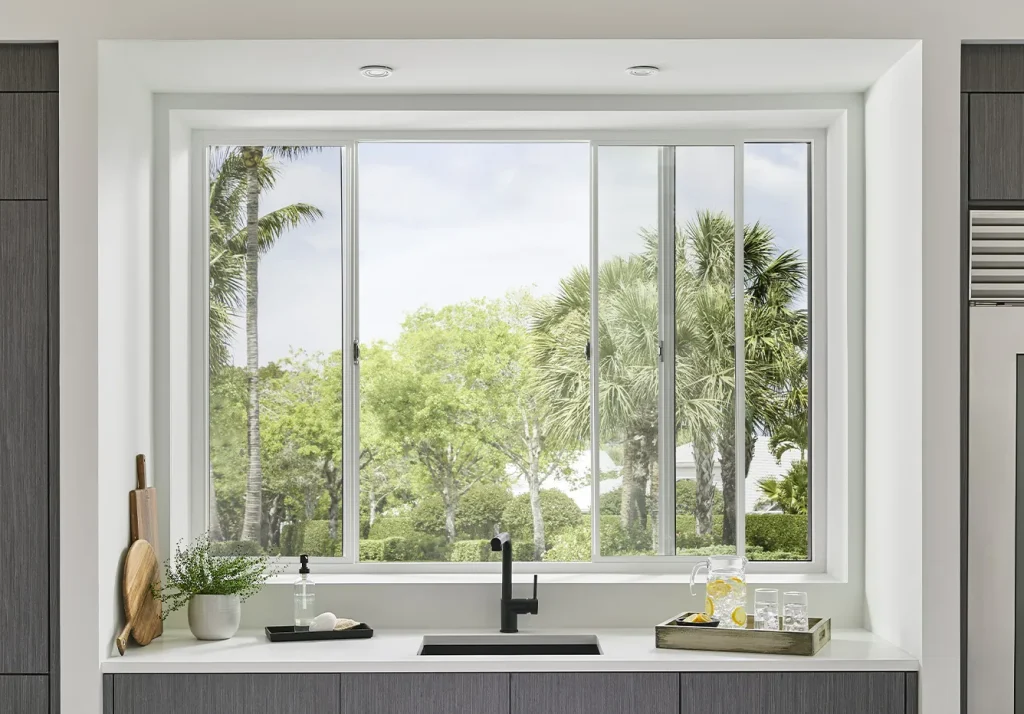
Sliding windows open horizontally along a track, offering a sleek and modern solution for spaces with limited vertical clearance. Their design is simple, durable, and easy to operate.
Standard Sizes:
Widths: 36–84 inches
Heights: 24–60 inches
Common Sizes:
3020 (3′ x 2′)
5030 (5′ x 3′)
7040 (7′ x 4′)
6040 (6′ x 4′)
4824 (4’8″ x 2’4″)
8436 (8’4″ x 3’6″)
Ideal Uses: Sliding windows are perfect for basements, kitchens, and wide horizontal spaces in modern homes, where their smooth operation and expansive views are a plus.
Casement Windows
Casement windows are hinged on one side and open outward using a crank mechanism. This design allows for maximum ventilation and offers unobstructed views when fully open. They seal tightly, providing excellent energy efficiency.
Standard Sizes:
Widths: 16–48 inches
Heights: 24–84 inches
Common Sizes:
1714 (1’7″ x 1’4″)
2436 (2’4″ x 3’6″)
3525 (3’5″ x 2’5″)
3636 (3’6″ x 3’6″)
4824 (4’8″ x 2’4″)
6048 (6′ x 4’8″)
Ideal Uses: Casement windows are often used in kitchens and bathrooms, where ventilation is essential, and behind furniture, where the crank mechanism provides easy operation.
Awning Windows
Awning windows are hinged at the top and open outward, making them ideal for ventilation even during rain. Their angled design keeps out water while allowing airflow.
Standard Sizes:
Widths: 16–48 inches
Heights: 24–84 inches
Common Sizes:
2418 (2’4″ x 1’8″)
3636 (3’6″ x 3’6″)
4030 (4′ x 3′)
4824 (4’8″ x 2’4″)
6050 (6′ x 5′)
7240 (7’2″ x 4′)
Ideal Uses: Awning windows are well-suited for bathrooms, basements, and as transom windows above doors to bring in additional natural light and airflow.
Picture (Fixed) Windows
Picture windows are fixed, meaning they do not open. They are designed to showcase expansive views and maximize natural light. Since they are sealed, they offer excellent energy efficiency but no ventilation.
Standard Sizes:
Widths: 24–96 inches
Heights: 12–96 inches
Common Sizes:
3020 (3′ x 2′)
6040 (6′ x 4′)
8052 (8′ x 5’2″)
4848 (4′ x 4’8″)
7260 (7’2″ x 6′)
9636 (9’6″ x 3’6″)
Ideal Uses: Picture windows are commonly used in living rooms, hallways, and other spaces where the focus is on aesthetics, panoramic views, and light rather than airflow.
Key Factors When Choosing Window Sizes
Selecting the right window size is essential to achieving both functionality and aesthetic harmony in a home. The size and style of windows can significantly influence a room’s comfort, energy efficiency, and overall design. Factors such as ventilation requirements, natural light preferences, and architectural style play a vital role in determining the ideal window dimensions. Additionally, considerations like energy performance and the specific installation site—whether on the ground floor or upper levels—help ensure windows meet practical needs while enhancing the visual appeal of any space. By carefully evaluating these key factors, homeowners can strike the perfect balance between form and function.
Room Requirements
Choosing the right window size depends on the specific needs of each room. Operable windows are essential for kitchens and bathrooms to ensure proper ventilation, while larger windows are ideal for living spaces to maximize natural light and create an open, inviting atmosphere.
Ventilation needs: Rooms like kitchens and bathrooms benefit from operable windows for airflow.
Natural light: Larger windows are ideal for living spaces to maximize daylight.
Architectural Style
Windows are more than functional elements; they are key architectural features that contribute to a home’s overall design and character. Choosing the right window style ensures harmony with the home’s architectural theme:
Traditional homes often benefit from double-hung or casement windows, which maintain a classic, timeless look. Their balanced proportions and decorative details align perfectly with colonial, Victorian, or farmhouse styles.
Modern or contemporary homes favor clean lines and simplicity, making large sliding or fixed picture windows ideal. These windows maximize natural light and provide unobstructed views, enhancing the minimalist aesthetic.
Rustic or craftsman homes often feature awning or casement windows that blend function and charm, complementing the natural materials and artisanal details common to these designs.
By aligning window choices with the architectural style, homeowners can elevate their home’s visual appeal and preserve design integrity.
Energy Efficiency
Energy-efficient windows play a vital role in enhancing comfort and reducing utility costs. Properly sized and designed windows help optimize insulation and minimize energy loss:
Colder climates: Smaller windows with double or triple glazing provide better insulation by reducing heat transfer. Casement or awning windows, which close tightly, also help retain indoor warmth.
Warmer climates: Larger windows with low-E coatings or tinted glass allow natural light while minimizing heat gain. Sliding or fixed windows with energy-efficient glass reduce reliance on air conditioning.
Choosing energy-efficient window designs based on climate and orientation can significantly improve thermal performance, creating a comfortable and sustainable home environment.
Installation Site
Where windows are installed directly impacts their size, style, and functionality:
Ground floors: Larger, more accessible windows are preferred as they offer expansive views, increased natural light, and easier cleaning. Options like sliding windows, picture windows, or large double-hung windows are common here.
Upper floors: Safety, ease of use, and cleaning become key considerations. Smaller, operable windows like awning or casement windows provide airflow while maintaining security. Tilt-in features, often found in double-hung windows, simplify cleaning for upper-level installations.
Custom Window Sizes
Custom window sizes are often the ideal solution when standard dimensions do not meet specific design or functional needs. While they offer flexibility and a tailored fit, they come with higher costs and longer production timelines.
When Are Custom Sizes Needed?
Custom windows are necessary in scenarios where:
Older homes have irregular or non-standard rough openings that standard windows cannot accommodate.
Building code or safety requirements, such as those for an egress window—which is designed to serve as an emergency escape—must be met.
Unique architectural designs demand windows that stand out, such as arched, oversized, or specialty-shaped windows.
Specific aesthetic preferences require unconventional styles, dimensions, or materials to achieve a desired look.
Cost Considerations
Custom windows come at a premium due to their specialized manufacturing processes. Key cost factors include:
Custom windows typically cost 30–50% more than standard options.
Production times are extended, leading to longer lead times—often several weeks—compared to readily available stock sizes.
Pros and Cons of Custom Window Sizes
Custom Windows: Pros and Cons
Pros
Cons
Perfect Fit: Tailored to exact measurements, ensuring seamless installation.
Higher Costs: Custom windows are more expensive, often 30–50% more than standard sizes.
Design Flexibility: Allows for unique shapes, sizes, and styles to match architectural or aesthetic needs.
Longer Lead Times: Specialized production requires additional time, delaying projects.
Enhanced Functionality: Ideal for irregular openings, older homes, or non-standard spaces.
Limited Availability: Custom windows may need to be sourced from specialized manufacturers.
Custom window sizes offer unmatched versatility and personalization, making them essential for projects requiring unique solutions. However, homeowners should weigh the higher costs and extended timelines against the benefits to determine if custom windows are the right choice for their needs.
Window Sizing Notations and Measurements
Accurately understanding window sizing notations and ensuring precise measurements are essential steps for selecting and installing the right windows. These notations simplify communication between manufacturers, builders, and homeowners while ensuring a proper fit during installation.
Understanding Window Codes
Window size notations use a simple code system to represent the window’s dimensions in feet and inches. This system allows for quick identification and ordering:
Format: The first two digits indicate the window’s width, and the last two digits represent the height.
Example:
2030: The window is 2 feet wide and 3 feet tall.
2840: The window is 2 feet 8 inches wide and 4 feet tall.
This coding system streamlines the process of selecting standard-sized windows, making it easy to reference dimensions without confusion.
Measuring Tips for Accurate Sizing
Proper measurement is critical for achieving a secure and efficient window installation. Here are the key steps to ensure precision:
Measure Rough Openings:
Rough openings (the framed space in the wall) should be slightly larger than the window itself to allow for adjustments during installation.
A 1/4-inch gap on each side of the window is recommended to account for shimming and leveling.
Measure in Multiple Points:
For width, measure at the top, middle, and bottom of the rough opening. Use the smallest measurement to account for irregularities in the framing.
For height, measure along the left, center, and right sides, again using the smallest value for accuracy.
Account for Framing and Trim:
Always measure from the framing, not the trim or molding, to ensure accurate dimensions.
Document Measurements Clearly:
Record measurements as Width x Height (e.g., 36″ x 48″) to align with standard window size notations.
Why Accurate Measurements Matter
Accurate measurements ensure:
Proper Fit: Prevents gaps, drafts, or structural issues.
Efficient Installation: Reduces on-site adjustments and installation time.
Improved Energy Efficiency: Minimizes air leaks, enhancing insulation and energy savings.
By understanding window sizing notations and following proper measuring techniques, homeowners and builders can ensure seamless installations and optimal performance from their windows.
Energy Efficiency and Window Size
Window size directly impacts energy performance. While large windows increase natural light and reduce lighting costs, they can cause heat loss in winter and heat gain in summer if not properly insulated.
Glazing and Insulation
Modern energy-efficient features help mitigate these concerns:
Double or Triple Glazing: Reduces heat transfer with multiple panes and gas-filled spaces.
Low-E Coatings: Reflect heat indoors in winter and block solar heat in summer.
Insulated Frames: Materials like vinyl, fiberglass, or thermally broken wood prevent heat loss.
By combining energy-efficient glazing, coatings, and frames, homeowners can enjoy larger windows while maintaining thermal comfort and lowering energy costs.
Choosing the Right Window for Your Space
Selecting the ideal window for a specific space involves balancing functionality, climate considerations, and budget constraints. Windows serve not only as sources of light and ventilation but also as key design elements that enhance a room’s aesthetic and comfort.
Key Considerations
Functionality:
Choose windows that provide the right mix of ventilation, natural light, and visual appeal based on the room’s needs. For example, operable windows are ideal for airflow, while fixed windows maximize views and light.
Climate:
In colder climates, insulated windows with double or triple glazing help reduce heat loss.
In warmer regions, windows with Low-E coatings and tinted glass minimize heat gain while allowing light.
Budget:
Standard-sized windows are more cost-effective and readily available. Opt for these wherever possible to reduce costs and lead times.
Custom windows can be used for unique architectural needs but come at a higher price.
Room-Specific Recommendations
Ideal Windows by Room
Room
Ideal Window Type
Key Benefits
Living Rooms
Large Picture or Sliding Windows
Maximize natural light and provide expansive views, creating a bright and open feel.
Kitchens
Casement or Sliding Windows
Allow for ample ventilation, easy operation, and airflow, particularly above sinks or counters.
Bathrooms
Awning Windows
Offer privacy while enabling ventilation, even during rain. Compact size suits smaller spaces.
Bedrooms
Double-Hung Windows
Provide excellent airflow and safety, with the ability to open the top or bottom sash.
By considering the room’s purpose, climate conditions, and budget, homeowners can select windows that not only enhance functionality but also elevate the comfort and aesthetic of their spaces. Properly chosen windows ensure each room meets its unique needs for light, ventilation, and design.
Conclusion
Understanding standard window sizes simplifies planning and construction, ensuring efficient and cost-effective solutions for most building projects. Standard sizes are readily available, reducing lead times and keeping costs manageable for builders and homeowners. While standard dimensions meet the needs of many homes, custom windows provide flexibility for unique designs, such as irregular openings or architectural features. Choosing between standard and custom windows depends on the project’s requirements, budget, and desired aesthetic, striking a balance between practicality and personalization.
Standard window sizes vary by type but typically range from 24×36 inches to 48×60 inches. Double-hung windows, for instance, often fall within these dimensions.
Choosing the right door size is not just about fitting a door into a frame it’s about enhancing the flow, style, and usability of your home or building. With a wide array of standard door sizes and configurations available, finding the perfect fit can seem daunting. Variations in dimensions among manufacturers further complicate the process, leaving many unsure of where to begin. In this guide we will help you to simplify the decision-making process, provideyou with clarity on standard door dimensions and types for you to make an informed choice with confidence.
Types of Doors and Their Dimensions
Understanding the types of doors and their standard dimensions is key to finding the perfect fit for your space. From interior to exterior doors, this guide covers common styles and sizes to help you make an informed choice.
Standard Interior Door Size
Interior doors are commonly used to separate rooms and provide privacy. These doors are lightweight and available in a variety of styles to match the home’s interior design.
Standard Dimensions:
Height: 80 inches (6 feet 8 inches)
Width: Typically ranges from 24 to 36 inches, with 30 inches being the most common.
Additional Notes: Interior doors are designed for convenience and come in a range of materials, from solid wood to hollow-core options.
Standard Exterior Door Size
Exterior doors provide security and insulation, serving as the entry point to a home or building. They are typically more robust and weather-resistant than interior doors.
Standard Dimensions:
Common Size: 36 inches x 80 inches
Other Sizes: 30 inches x 80 inches or 32 inches x 80 inches for smaller openings.
Additional Considerations: Look for durable materials like steel, fiberglass, or solid wood to withstand weather conditions and ensure longevity.
Standard French Door Size
French doors are an elegant choice, often featuring glass panes that add a sense of openness and light. They’re commonly used for patios, decks, or as stylish room dividers. Standard Dimensions:
Height: 80 inches
Width: 36 inches per door panel (or wider for larger openings).
Measurement Tips: Account for the space required for the doors to swing open and for any trim or molding around the frame.
Sliding Glass Doors
Sliding glass doors are perfect for patios or large entryways, offering a seamless connection between indoor and outdoor spaces. Standard Dimensions:
Height: 80 inches
Width: 36 inches per panel, with multiple panels available for larger openings.
Special Considerations: Ensure the installation area has sufficient space for the sliding tracks and mechanisms.
Standard Closet Door Size
Closet doors are designed to conceal storage spaces while allowing easy access. They come in various styles, including bifold, sliding, and hinged. Common Sizes:
Standard: 30 inches x 80 inches
Other Sizes: 28 inches x 80 inches, 32 inches x 80 inches.
Additional Notes: The style of closet door will impact its dimensions and installation requirements.
Standard Garage Door Size
Garage doors are large, sturdy doors designed to accommodate vehicles and provide security. Standard Dimensions:
Height: Typically 7 feet
Width: 6 to 7 feet for single-car garages.
Additional Options: For larger vehicles or double-car garages, oversized doors are available.
Standard Commercial Door Size
Commercial doors are built for heavy-duty use in commercial buildings, often featuring specialized hardware for security and accessibility. Standard Dimensions:
Common Size: 36 inches x 80 inches
Additional Features: May include panic bars, automatic closers, or reinforced materials for added durability.
Key Measurements and Their Importance
Understanding key door measurements is vital for ensuring proper fitting and functionality:
Door Height:
Standard height: 80 inches (6 feet 8 inches).
Oversized doors: Ideal for taller ceilings, but require careful planning.
Door Width:
Common width: 36 inches (3 feet).
Ranges from 24 to 36 inches for most interior doors.
Door Jamb:
Definition: The vertical frame supporting the door.
Standard size: 4 9/16 inches wide, 6 9/16 inches for thicker walls.
Door Frame:
Definition: The structural enclosure for the door.
Standard size: 80 inches x 36 inches.
Rough opening dimensions: 82 inches x 38 inches to allow for installation.
Step-by-Step Measurement Process
Accurate measurements are critical when replacing a door, as even slight errors can result in improper fitting. Follow these steps to measure your door correctly:
Width Measurement: Measure the width of the door opening at its widest point. Take three measurements: one at the top, one in the middle, and one at the bottom. Use the largest of these measurements to determine the width.
Height Measurement: Measure the height of the opening from the top of the frame to the floor. Again, take measurements on both sides and in the center, using the tallest measurement for accuracy.
Allowance for New Installations: Add 2 inches to both the height and width measurements to ensure there’s enough room for installation and any necessary trimming.
Tools Needed
Measuring Tape: For precise measurements.
Notepad and Pencil: To record measurements accurately.
Tips for Accurate Measurement
Double-check your measurements: Measure each dimension at least twice to confirm accuracy.
Measure from the correct points: Always measure from the edge of the door frame or the rough opening to get the correct dimensions for fitting.
Consider obstacles: Account for any flooring or trim that might affect the door’s height or width.
Detailed Table of Door Dimensions
Door Types and Sizes
Type of Door
Standard Sizes (Height x Width)
Special Notes
Interior Doors
80 inches x 24–36 inches
Most common width: 30 inches
Exterior Doors
80 inches x 36 inches
Weather resistance is critical
French Doors
80 inches x 36 inches
Account for swing space
Sliding Glass Doors
80 inches x 36 inches
Ensure track space
Closet Doors
80 inches x 30 inches
Other sizes available
Garage Doors
7 feet x 6–7 feet
Oversized options available
Commercial Doors
80 inches x 36 inches
May include specialized locks
Factors to Consider When Choosing a Door
Purpose: Consider whether the door is for interior or exterior use.
Space Availability: Measure the opening and surrounding area to determine the appropriate size.
Material and Style: Choose a material and design that complements your space.
Budget: Set a budget, as prices vary significantly based on type and material.
Recommendations
Simplifying the Process: Start with the basics—measurements and primary needs—before exploring more complex options. This helps avoid unnecessary complications and overspending.
Why Consult Professionals: Professionals ensure accurate measurements, proper installation, and optimal performance, saving time and money in the long run.
Contact Information: For expert assistance, contact Fusion Windows and Doors for personalized recommendations and high-quality door solutions.
Conclusion
Selecting the right door size is essential for both functionality and aesthetics. By understanding standard door dimensions and following accurate measurement practices, you can find the perfect fit for your space. If you’re unsure, don’t hesitate to consult professionals who can guide you through the process and ensure your doors are stylish, functional, and durable.
Windows are integral to a home’s design, playing both functional and aesthetic roles. The right window types not only brighten up your space but also improve ventilation, regulate indoor temperatures, and enhance the home’s curb appeal. Given the many options available, selecting the best window types can be a complex task, as each type has unique features, advantages, and ideal placements.
In this guide, we’ll help you with:
A range of window types, including common, specialty, and architectural options
Key considerations such as function, climate compatibility, budget, and materials
Detailed descriptions for each window type
Essential tips for energy efficiency, maintenance, and window placement
Types of Windows
Let’s explore the different types of windows, including their features, pros and cons. This comprehensive breakdown will help you choose the right window types for your home.
Single-Hung Windows
A single-hung window features a stationary top sash and a bottom sash that slides vertically, providing a simple, space-saving design ideal for budget-conscious homeowners. Known for its affordability and low maintenance, this window style suits areas where space is limited, though it offers less ventilation since only the bottom sash opens. The single-hung design is a classic choice that balances functionality with a lower price point.
Best Uses: Ideal for smaller rooms, bathrooms, and budget-conscious projects.
Pros and Cons Table
Pros
Cons
Cost-effective and budget-friendly
Limited ventilation (only the bottom sash opens)
Easy to install and maintain
Hard to clean from the outside if on higher floors
Compact design fits small spaces
Double-Hung Windows
Double-hung windows are similar to single-hung windows but offer more flexibility, as both the top and bottom sashes are operable. This design allows for increased ventilation options—air can flow in through the top and out through the bottom. Both sashes can also tilt inward, making cleaning easy and convenient, especially for upper floors. Double-hung windows are popular for their versatility and ease of maintenance.
Best Uses: Great for bedrooms, kitchens, and living spaces.
Best Brands for Single and Double-Hung Windows
Best brands to consider when choosing single and double hung windows include Andersen A Series Windows, Milgard Windows and Doors. These brands offer durable and energy-efficient options, with a variety of materials like vinyl, fiberglass, and wood.
Pros and Cons Table
Pros
Cons
Increased ventilation control (both top and bottom sashes open)
More costly than single-hung windows
Easy to clean from the inside, even on upper floors
Seals may deteriorate over time, leading to potential air leakage
Fits well with most architectural styles
Casement Windows
Casement windows are side-hinged and open outward, usually operated by a crank handle. This design allows them to open fully, maximizing ventilation and capturing breezes effectively. With no center sash or dividers, casement windows also provide clear, unobstructed views, making them an excellent choice for rooms where you want to enjoy scenic outdoor views or need optimal airflow. Their tight seal when closed also improves energy efficiency and sound insulation.
Best Uses: Kitchens, bathrooms, and hard-to-reach places.
Best Brands for Casement Windows
Marvin is a top choice when choosing the best brand for casement windows. The Signature Ultimate series features an aluminum exterior and wood interior, while the Elevate series combines fiberglass and wood for better insulation and low maintenance.
Pros and Cons Table
Pros
Cons
Excellent ventilation and tight seal for energy efficiency
Requires clearance to open outward
Clear, unobstructed views
Crank mechanisms may wear over time
Easy to operate with a crank
Awning Windows
Awning windows are hinged at the top and open outward, forming a slanted “awning” effect that protects against rain while still allowing ventilation. This design makes them ideal for wet climates, as they can remain open in light rain without letting water in. Awning windows are often placed higher on walls for privacy and are commonly used in bathrooms, basements, or paired with larger, fixed windows to enhance airflow.
Best Uses: Bathrooms, basements, and high-wall placements.
Best Brands for Awning Windows
Best Brands offering Awning Windows are Andersen and Ply Gem. You can consider Andersen 100 Series with Fibrex composite material that resists fading and peeling, A-Series for top weather resistance, and the E-Series with a low-maintenance aluminum exterior. Ply Gem provides awning windows in aluminum-clad wood, wood composite, and vinyl.
Pros and Cons Table
Pros
Cons
Ideal for rainy climates (can stay open during rain)
Requires exterior space to open outward
Provides good ventilation while maintaining privacy
Limited size options
Often small and fits above doors or other windows
Sliding Windows
Sliding windows open horizontally along a track, with one or more panels gliding past each other. This design provides a simple, easy-to-operate option that requires minimal effort to open and close. Known for their durability, sliding windows have fewer moving parts, making them a low-maintenance choice. They are often used in areas with wide wall spaces, offering expansive views and ample natural light.
Best Uses: Basements, small rooms, and modern or minimalist designs.
Best Brands for Sliding Windows
Andersen and Marvin are best when looking for high-quality sliding windows with extensive customization options. Andersen’s 400 Series offers a balance of style and energy efficiency, with frame colors from White to Bronze and glass options like Low-E4 and SmartSun™
Pros and Cons Table
Pros
Cons
Great for wide, horizontal spaces
Limited ventilation (only half of the window can open)
Fewer mechanical issues due to simple design
Harder to clean from the outside
Affordable and low-maintenance
Bay and Bow Windows
Bay windows feature three panels that extend outward, creating an angled look that adds depth and dimension to a room. In contrast, bow windows consist of four or more panels, arranged in a gentle curve that offers a more rounded appearance. Both styles enhance a room by bringing in additional natural light and providing extra interior space, perfect for a cozy reading nook or display area. These window types also add architectural interest and a sense of openness to any space.
Best Uses: Living rooms, dining rooms, and kitchens.
Best Brands for Bay and Bow Windows
Best brands for Bay and Bow windows are Andersen and Marvin.
Pros and Cons Table
Pros
Cons
Creates extra interior space, often used for seating or decoration
Expensive to install, requiring structural support
Panoramic views and increased natural light
Maintenance can be challenging due to multiple panels
Picture Windows
Picture windows are large, fixed windows that do not open, providing expansive, unobstructed views of the outdoors. Their stationary design allows for maximum natural light, making them ideal for rooms where ventilation isn’t a priority but where you want to highlight scenic views. Often used as focal points, picture windows add a sense of spaciousness and openness to interiors.
Best Uses: Living rooms, offices, and spaces with scenic views.
Best Brands for Picture Windows
For large, fixed picture windows that maximize natural light, consider Marvin and Andersen.
Pros and Cons Table
Pros
Cons
Excellent energy efficiency due to lack of operable parts
No ventilation
Great for showcasing outdoor views
Duplicate content removed for clarity
Garden Windows
Garden windows are smaller versions of bay windows designed for housing plants. They project outward from the wall, creating a mini-greenhouse effect, and typically feature built-in shelves for potted plants. With glass on all sides, garden windows allow ample sunlight, making them ideal for nurturing indoor greenery and herbs while adding charm to kitchens or other well-lit areas.
Best Uses: Kitchens, especially above sinks.
Best Brands for Garden Windows
Popular choices for garden windows include Milgard. They offer well-insulated, multi-pane designs with durable vinyl or aluminum frames for displaying plants and herbs.
Pros and Cons Table
Pros
Cons
Allows natural light to enhance plant growth
Limited functionality, mainly decorative
Adds character to kitchens
Potential water leakage if not sealed properly
Egress Windows
Egress windows are designed to be large enough for an adult to exit through in emergencies, providing a safe escape route. They are commonly required by building codes in basements and bedrooms to ensure a quick and accessible exit in case of fire or other emergencies. In addition to safety, egress windows also bring in natural light and ventilation to lower-level rooms.
Best Uses: Basements, bedrooms, and any room needing an emergency exit.
Pros and Cons Table
Pros
Cons
Provides an emergency exit
High installation costs, especially in below-ground areas
Adds light and ventilation to basements
Skylights Windows
Skylights are windows built into the roof, allowing natural light to enter from above. They brighten interior spaces, particularly those with limited wall windows, and can create an open, airy atmosphere. Skylights are popular in rooms like bathrooms, kitchens, and attics, enhancing both natural lighting and ventilation when vented options are used.
Best Uses: Bathrooms, kitchens, and rooms with high ceilings.
Best Brands for Skylight Windows
One of the leading brands for Skylight Windows is VELUX They provide durable, leak-resistant options, available in fixed and vented models with optional built-in blinds or UV protection
Pros and Cons Table
Pros
Cons
Maximizes natural light, even in rooms with limited wall space
Prone to leaks if improperly installed
Can add a dramatic architectural element
Higher cost due to roofing modifications
Transom Windows
Transom windows are small, horizontal windows positioned above doors or larger windows, typically used for decorative purposes. They add architectural charm and can bring extra natural light into a room without compromising privacy. In some cases, transom windows are operable, providing additional ventilation as well. Common in traditional and classic home designs, they enhance the visual appeal and openness of entryways and interior spaces.
Best Uses: Entryways, hallways, and above interior doors.
Best Brands for Transom Windows
Top brand for transom windows is Marvin. This manufacturer offers stylish, decorative, and energy-efficient options, available in fixed or operable designs.
Pros and Cons Table
Pros
Cons
Adds architectural interest
Often non-operable, so no ventilation
Allows additional light into rooms
Hopper Windows
Hopper windows are hinged at the bottom and open inward from the top, creating a downward tilt when open. This design makes them ideal for basements and bathrooms, where they allow ventilation while maintaining privacy and security. Hopper windows are compact, easy to operate, and effective at keeping out rain when partially opened. Their inward opening also makes them simple to clean from the inside.
Best Uses: Basements and small bathrooms.
Best Brands for Hopper Windows
Best Brand for Hopper Windows isPly Gem. They provide compact, easy-to-operate designs with strong locks and weather-tight seals.
Pros and Cons Table
Pros
Cons
Opens inward for controlled airflow
Smaller size may reduce natural light.
Accessible from indoors, even in hard-to-reach spots
Inward swing can interfere with interior space.
Compact design maintains privacy and security.
May allow water in during heavy rain if left open.
Jalousie (Louvered) Windows
Jalousie windows, also known as louvered windows, are made up of horizontal glass slats that open and close like blinds. Operated with a crank, the slats can be adjusted to control airflow, allowing for excellent ventilation even in humid climates. This style is popular in warm regions, as it promotes consistent air circulation while providing partial protection from rain when partially open. Jalousie windows offer a retro aesthetic and are commonly found in sunrooms, porches, and tropical settings.
Best Uses: Sunrooms, porches, tropical climates.
Pros and Cons Table
Pros
Cons
Adjustable slats allow for strong airflow, ideal in warm climates.
Poor at blocking heat or cold, making them less energy-efficient.
Can remain partially open for ventilation, even in light rain.
Individual glass slats can be more vulnerable to break-ins.
Adds a retro or tropical aesthetic to spaces.
Multiple moving parts and slats require regular cleaning and upkeep.
Glass Block Windows
Glass block windows are constructed from thick, often frosted or textured glass blocks that provide privacy while still allowing natural light to filter through. They are typically non-operable and used in areas where visibility needs to be limited, such as bathrooms or basements. The design offers a modern, durable, and low-maintenance solution that enhances security while adding a unique architectural element to the space.
Best Uses: Bathrooms, basements.
Pros and Cons Table
Pros
Cons
Frosted or textured blocks provide privacy while letting in light.
Typically non-operable, so they don’t provide airflow.
Thick glass blocks are strong, offering added security.
More expensive and labor-intensive to install than standard windows.
Provides good insulation, keeping spaces cooler or warmer as needed.
Their fixed, opaque look may not suit all aesthetics.
Pivot Windows
Pivot windows rotate on a central hinge, allowing the window to pivot horizontally or vertically within the frame. This unique design enables maximum ventilation and easy cleaning access from both sides, as the window can fully rotate. Often used in modern or industrial-style spaces, pivot windows make a bold architectural statement while providing functional airflow control. Their rotation mechanism also offers flexibility in directing breezes into the room.
Best Uses: Modern homes and unique designs.
Pros and Cons Table
Pros
Cons
Rotates fully on a central hinge, allowing maximum airflow.
Needs clearance inside and outside to rotate without obstruction.
Pivot design enables cleaning both sides of the glass from inside.
More intricate mechanisms may lead to higher maintenance costs.
Offers a sleek, contemporary look that enhances architectural style.
Large openings can be less secure if not properly secured.
Center Pivot Windows
Center pivot windows are unique, modern windows that rotate around a central hinge, allowing the entire window to pivot open within its frame. This design provides maximum ventilation, as the window can be opened fully to let in fresh air from multiple angles. Center pivot windows are easy to clean from the inside, as both sides of the glass are accessible without needing to go outside. Their sleek, functional look makes them popular in modern or industrial home designs, offering a bold architectural feature.
Best Use: Living rooms, offices, or kitchens in contemporary or industrial-style homes, especially where easy ventilation is needed.
Pros and Cons Table
Pros
Cons
Excellent ventilation
Requires clearance to pivot
Easy to clean both sides
Complex hardware may need maintenance
Unique modern design
Less energy-efficient when open
Storm Windows
Storm windows are secondary windows installed either on the exterior or interior of an existing window, primarily for added insulation and protection against extreme weather. They are often used in colder climates to reduce drafts and improve energy efficiency by adding an extra layer between the interior and exterior. Storm windows also reduce noise, making them a good choice for homes in busy or urban areas. Although they can be installed seasonally or permanently, they are generally kept up year-round in areas with severe weather.
Best Use: Ideal for bedrooms, living rooms, or any room where insulation and soundproofing are priorities, especially in colder or high-wind areas.
Best Brands for Storm Windows
To choose best brand for storm windows you should consider Andersen and Marvin.
Pros and Cons Table
Pros
Cons
Increases energy efficiency
Adds bulk to windows
Protects against harsh weather
Requires seasonal installation
Reduces noise pollution
Can limit window aesthetics
Round Windows
Round windows, also called circular or porthole windows, are circular fixed windows that add a unique decorative element to any room. They are often used to create a distinctive architectural look, particularly in spaces where a traditional rectangular window wouldn’t fit the style. Round windows don’t typically open, so they are mainly used for visual appeal and to bring in additional light in areas that don’t need ventilation.
Best Use: Bathrooms, hallways, staircases, or accent walls where adding light and a unique design element is desired.
Pros and Cons Table
Pros
Cons
Adds architectural interest
Limited to fixed designs
Maximizes natural light
Cannot provide ventilation
Works in various styles
Limited size and placement options
Radius Windows
Radius windows are windows with a rounded top and a flat bottom, creating an arched shape. They are often used as decorative windows above doors, larger windows, or entryways to add elegance and softness to the room’s design. These windows are usually fixed, so they don’t provide ventilation but bring in additional natural light. Radius windows can be custom-made to fit different sizes, making them a versatile choice for classic or traditional home designs.
Best Use: Entryways, living rooms, or any area with traditional or classic architectural design where additional light and style are desired.
Lunette windows, also known as half-moon windows, are semi-circular windows often placed above doors or other windows to bring in extra light. Their half-circle shape adds a charming, unique look to the home’s interior and exterior. While typically fixed and non-operable, they work well for decorative purposes in spaces where additional natural light is needed without compromising privacy.
Best Use: Entryways, living rooms, and above doors for decorative purposes, particularly in traditional or classic home designs.
Pros and Cons Table
Pros
Cons
Adds natural light and charm
Usually fixed and non-operable
Complements traditional designs
Limited to certain architectural styles
Easy to fit above doors or windows
Less flexible in placement
Dormer Windows
Dormer windows are vertically set windows that project out from a sloped roof, creating extra space and adding character to a home’s exterior. They are commonly used in attic or loft areas to bring in natural light and ventilation, making these spaces more livable. Dormer windows come in various styles (e.g., gable, shed, hipped) and add a cozy, charming look to the home’s architecture while providing additional headroom and usable space.
Best Use: Attics, loft spaces, and upper-floor bedrooms with sloped ceilings that need light, ventilation, and additional space.
Best Brands for Dormer Windows
Andersen provide excellent choices of Dormer windows that integrate well with designs, offering high-performance insulation.
Pros and Cons Table
Pros
Cons
Adds natural light and ventilation
Complex and costly installation
Increases interior space
May require structural reinforcement
Enhances curb appeal
Can reduce roof insulation efficiency
Oriel Windows
Oriel windows are a type of bay window found on upper floors, projecting outward from the wall without extending to the ground. They are supported by brackets or corbels and provide additional space and natural light. Historically found in Victorian and Gothic architecture, oriel windows are often used as a decorative element that adds architectural interest to the exterior and interior of a building.
Best Use: Upper-level rooms, such as living rooms, reading nooks, or bedrooms, where added space and light are desired.
Pros and Cons Table
Pros
Cons
Adds interior space and natural light
Requires structural support
Enhances exterior aesthetics
Higher cost due to design complexity
Ideal for adding seating or display
May limit privacy
Cottage Windows
Cottage windows are known for their charming, rustic design, typically featuring a larger bottom sash and a smaller top sash. They often have a grid or divided pane design, evoking a traditional or country-style aesthetic. Cottage windows bring a cozy feel to any room and are ideal for homes aiming for a rustic or vintage look. While they offer light and a view, ventilation may be somewhat limited.
Best Use: Bedrooms, kitchens, and living rooms in cottages or traditional-style homes.
Pros and Cons Table
Pros
Cons
Classic, rustic aesthetic
Limited ventilation compared to larger windows
Provides good light flow
Less suitable for modern homes
Adds character to rooms
May not suit contemporary architecture
Two-Panel Slider Windows
Two-panel slider windows consist of two panes, with one or both sliding horizontally along a track. They provide wide, unobstructed views and ample natural light. This style is easy to operate, low-maintenance, and works well in rooms with limited vertical space. Their sleek, functional design is well-suited for modern or minimalist aesthetics.
Best Use: Living rooms, kitchens, and hallways in modern or minimalist homes, especially in spaces with wide walls.
Pros and Cons Table
Pros
Cons
Easy to operate
Tracks require regular cleaning
Good for wide walls and natural light
Limited to horizontal openings
Low-maintenance with fewer parts
Less energy-efficient when open
Comparison Chart of Window Types
Window Types Table
Window Type
Ventilation
Energy Efficiency
Maintenance
Typical Use
Cost Range
Single-Hung
Low
Moderate
Low
Small rooms, bathrooms
$100 - $350
Double-Hung
High
Moderate
Moderate
Bedrooms, kitchens
$200 - $600
Casement
High
High
Moderate
Kitchens, bathrooms
$150 - $1,000
Awning
Moderate
High
Moderate
Bathrooms, basements
$200 - $1,200
Sliding
Moderate
Moderate
Low
Basements, contemporary homes
$150 - $800
Bay
High
Low
High
Living rooms, dining rooms
$900 - $7,000
Bow
High
Low
High
Living rooms, kitchens
$1,500 - $10,000
Picture
None
High
Low
Living rooms, scenic areas
$300 - $1,500
Garden
Low
Moderate
High
Kitchens, plant display
$1,000 - $4,000
Egress
High
Moderate
Moderate
Basements, bedrooms
$1,500 - $5,000
Skylight
Moderate
Low
High
Bathrooms, high ceilings
$500 - $3,000
Transom
Low
Moderate
Low
Entryways, hallways
$200 - $1,000
Hopper
Moderate
Moderate
Low
Basements, bathrooms
$150 - $600
Jalousie
High
Low
Low
Sunrooms, tropical climates
$150 - $700
Glass Block
None
High
Low
Bathrooms, basements
$400 - $1,200
Pivot
High
Moderate
Moderate
Modern homes, large spaces
$400 - $1,500
Specialty Shapes
None
High
Low
Entryways, accent pieces
$300 - $2,000
Round Windows
None
High
Low
Entryways, accent pieces
$300 - $1,500
Radius Windows
None
High
Low
Entryways, grand rooms
$300 - $1,500
Lunette (Half-Moon)
None
High
Low
Entryways, above doors/windows
$300 - $1,500
Dormer Windows
Moderate
Moderate
Moderate
Attics, upper-story rooms
$1,000 - $5,000
Oriel Windows
Low
Moderate
Moderate
Upper-story rooms, scenic views
$800 - $3,000
Cottage Windows
Moderate
Moderate
Moderate
Cottages, historic homes
$200 - $600
Two-Panel Slider
Moderate
Moderate
Low
Basements, wide wall spaces
$150 - $800
Key Factors for Choosing a Window
When choosing between different types of windows for your home, considering various factors can greatly influence comfort, aesthetics, and functionality. By analyzing aspects like functionality, climate compatibility, and budget, you can narrow down the options that align with your needs and lifestyle. Understanding how each factor affects window performance ensures you’ll make an informed choice.
Functionality and Purpose
Determine the primary role of each window type in your space. Windows serve not only as sources of light and ventilation but also as important architectural and privacy elements:
Ventilation: Consider windows such as casement or awning styles, which open fully to let in maximum airflow.
Natural Light: Larger fixed windows like picture or bay windows are great for lighting up rooms but do not open for ventilation.
Aesthetic Value: Uniquely shaped windows, such as round, arched, or bay windows, create visual interest and add character to your home.
Privacy: For areas requiring privacy, such as bathrooms, small awning or glass block windows are ideal, letting in light while obscuring visibility.
Climate Compatibility
The climate in your region plays a vital role in determining which windows are most suitable. Different window types perform better under various environmental conditions:
Rainy Climates: Awning windows are a great option, as they can be opened slightly even during rain without letting water in.
Windy Areas: Casement windows, with their strong seal when closed, can withstand high winds and offer added security in blustery conditions.
Hot Climates: Jalousie windows, which open in a way that promotes airflow, are ideal for humid or warm areas as they allow for better ventilation.
Cold Climates: Insulated options like double-pane or triple-pane windows help maintain indoor warmth and reduce energy costs by providing better temperature control.
Budget Range and Materials
Windows comes in a variety of price ranges and materials, each suited to different budgets and maintenance preferences:
Affordable Options: Single-hung and sliding windows are more economical choices that provide basic functionality without high costs.
Higher-End Choices: Bay, bow, and custom-shaped windows often have a higher price tag but can dramatically enhance the aesthetics of your home.
Vinyl: Known for its durability and low-maintenance nature, vinyl is also a budget-friendly choice with good insulation properties.
Wood: Offers natural beauty and a classic look, but requires periodic maintenance to prevent wear and warping.
Fiberglass: Highly durable and energy-efficient, fiberglass windows are a long-lasting option that offers excellent insulation.
Aluminum: While strong and lightweight, aluminum is less effective at insulating compared to other materials, making it better for milder climates.
Energy-Efficient Window Options
When choosing the right type of windows for your home, energy efficiency is a crucial factor that can greatly impact comfort and utility costs. Modern energy-efficient windows are designed to minimize heat transfer, reduce UV damage, and provide better insulation, keeping your home warm in winter and cool in summer. Consider the following features to maximize energy efficiency:
Low-E Coating: Reflects heat and reduces UV damage.
Gas Fills (Argon/Krypton): Insulates the space between glass panes.
Energy Star Certification: Ensures windows meet energy-saving standards.
Maintenance and Longevity Tips
Keeping windows in excellent condition is key to ensuring they perform well and stand the test of time. Regular maintenance not only enhance their appearance but also preserves their functionality, helping to prevent issues like drafts, leaks, and difficulty in operation. By dedicating a bit of time to upkeep, you can extend the longevity of your windows, maintaining both comfort and energy efficiency in your home.
Cleaning: Regularly clean glass and frames.
Lubrication: Apply lubricant to moving parts.
Weatherstripping: Inspect seals and replace as needed to prevent leaks.
Window Placement and Design Tips
Strategic window placement and design can transform the look, feel, and efficiency of your home. Here are some key considerations:
Functional Placement: Align windows with the specific needs of each room. Awning windows work well in bathrooms for privacy and ventilation, while bay windows add light and depth to living spaces. In kitchens, consider casement windows above countertops for easy opening.
Architectural Harmony: Choose styles that complement your home’s design. Arched or gridded windows suit traditional homes, while large picture or floor-to-ceiling windows create a sleek, modern feel. Matching window styles with architecture enhances overall curb appeal.
Energy Efficiency: Position windows to take advantage of natural light and seasonal breezes. South-facing windows bring in winter sun, while shaded or tinted options on west-facing walls can block excess summer heat.
Privacy and Views: Place windows to frame the best outdoor views, while ensuring privacy in areas like bedrooms and bathrooms. Frosted or higher-placed windows can maintain privacy without sacrificing light.
With thoughtful window placement and design, you’ll enhance your home’s comfort, style, and energy efficiency, creating a well-balanced and inviting space.
Conclusion
Choosing the right types of windows can significantly impact the beauty, comfort, and energy efficiency of your home. Whether you’re interested in the simplicity of single-hung windows, the classic charm of bay windows, or the modern appeal of pivot windows, each type offers unique benefits and considerations. By assessing your needs, budget, climate, and architectural style, you can select windows that best suit your space.
Remember that professional installation is essential to maximize your windows’ performance and lifespan. With the right window types and placements, you can transform your home into a more functional, beautiful, and energy-efficient living space.
The most popular window types for homes include double-hung, casement, sliding, awning, and bay windows. Each style offers unique features suited for different aesthetics and functionality.
Energy-efficient windows typically have double or triple-pane glass, low-E coatings, and insulated frames. Casement and awning windows are often considered highly energy-efficient due to their tight seal.
Casement and double-hung windows are popular for ventilation. Casement windows open fully to allow maximum airflow, while double-hung windows can be opened from both the top and bottom.
For living rooms and bedrooms, bay or double-hung windows are popular for style and light. Bathrooms often benefit from awning or frosted windows for privacy, while kitchens may have casement or sliding windows for ease of use.
Single-hung windows have a fixed top sash and a movable bottom sash, while double-hung windows allow both sashes to move. Double-hung windows offer more flexibility for ventilation and easier cleaning.
Before committing to a new window or door purchase, homeowners should do their research on manufacturers and products. While Anlin has been called California’s Best Brand for windows, Milgard Windows and Doors has been known as one of the largest and most trusted names in the home window and door industry since 1962.
Why Choose Milgard?
Milgard offers award-winning windows and patio doors that are designed to help to make your home feel and function more comfortably. Homeowners can have peace of mind knowing that each of Milgard’s products has been meticulously tested. Milgard pays close attention to detail and is manufactured in-house in the USA so it can be closely monitored for quality control.
Industry experts have recognized Milgard as a leading window and door manufacturer for years. They have awarded them the “Best Quality Vinyl in the Nation” award nine years in a row and the “Most Used Vinyl Window” award five years in a row. They have also been “Builders Choice” for vinyl and fiberglass windows in the Western U.S. by BUILDER magazine.
Milgard’s engineers are well known for their industry-leading designs and patented technology. Homeowners prefer Milgard’s products due to their low-maintenance care needs and easy-to-use functionality.
Have you recently received a quote from Anlin Windows Systems? If so, we want to match your quote with the help of our friends at Milgard Windows and Doors!
California Contractors License #956355
Leading dealer for Milgard, Andersen, Fleetwood, Marvin, LaCantina, Velux & Windsor.