
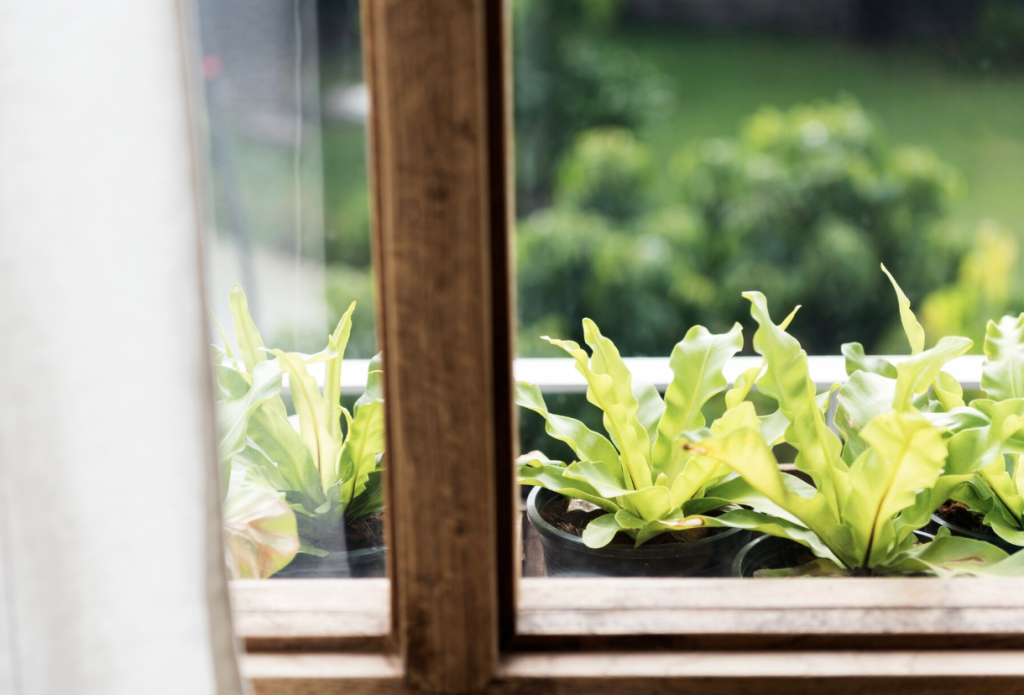
This guide to wood windows covers everything you need to choose, buy, and care for them. You’ll learn the difference between all-wood and clad-wood windows, which wood species last longest, and what wood windows really cost to install. We also cover Title 24 energy rules and how Southern California’s sun, salt air, and wildfire risk affect your choice.
In this guide:
| Section | What You’ll Learn |
| How Wood Windows Are Built | All-wood vs. clad-wood, and the main parts |
| Pros and Cons | What wood does well and where it falls short |
| Wood Species and Cladding | Which materials last and which to skip |
| Styles and Brands | Window types plus Andersen and Marvin options |
| Costs | Prices by species, style, brand, size, and install type |
| Energy and Title 24 | What the ratings mean and what California requires |
| SoCal Conditions | Coast, valley, wildfire, and earthquake concerns |
| Care and Replacement | Maintenance, repair, or replace |
How Wood Windows Are Built
Wood windows use wood for the frame and sash, the parts that hold the glass. Most wood windows sold today are not wood all the way through. They have a protective outer shell called cladding.
All-Wood vs. Clad-Wood Windows
An all-wood window has bare wood inside and out. You paint or stain the outside to protect it from sun and rain. It looks the most traditional, and it needs the most upkeep.
A clad-wood window has wood on the inside and a tough shell on the outside, usually aluminum or fiberglass. You get the warm look of wood indoors without painting the outside every few years. For most Los Angeles homes, clad wood is the smarter choice.
| Feature | All-Wood | Clad-Wood |
| Interior look | Wood | Wood |
| Exterior look | Painted or stained wood | Aluminum or fiberglass in a factory color |
| Exterior upkeep | Repaint or restain every 3 to 7 years | Wash occasionally |
| Best for | Historic homes, strict design rules | Most homes, coastal and sunny areas |
| Cost | Mid to high | Mid to high |
Main Parts of a Wood Window
Knowing the parts helps you talk to your installer and read quotes.
- Frame: The outer box that sits in the wall opening and holds everything in place.
- Sash: The part that holds the glass. It can be fixed or able to move.
- Jambs: The sides and top of the frame.
- Sill: The bottom of the frame, sloped so water runs off.
- Muntins: Thin bars that divide the glass into smaller panes.
- Glazing: The glass itself, usually two panes with gas between them.
Pros and Cons of Wood Windows
Wood windows have stayed popular for a reason. They also ask more of you than other materials.
| Pros | Cons |
| Warm, natural look that suits most home styles | Costs more than vinyl |
| Wood insulates well, so it blocks heat and cold | Bare wood needs paint or stain to stay healthy |
| Easy to paint or stain in any color inside | Can rot, swell, or warp if water gets in |
| Strong and stable, with slim sightlines | Termites and other pests can damage it |
| Can be repaired instead of replaced | Harsh sun breaks down finishes faster |
| Adds to resale value in higher-end homes | Takes longer to order for custom sizes |
Our take: Wood is a great choice if you want a warm, classic interior and you pick a clad exterior or commit to regular upkeep.
Wood Species Used in Window Frames
The type of wood affects how long your windows last and how they look. Most major brands use pine or fir. Hardwoods like mahogany are usually custom orders.
| Wood Species | Hardness | Rot Resistance | Best Finish | Cost Tier |
| Pine | Soft | Low (needs treatment) | Paint or stain | Low |
| Douglas Fir | Medium | Medium | Stain or clear finish | Mid |
| Cedar | Soft | High | Stain or clear finish | Mid |
| White Oak | Hard | Medium to high | Stain | Mid to high |
| Mahogany | Medium to hard | High | Stain or clear finish | High |
| Teak | Hard | Very high | Oil or clear finish | Very high |
Pine is the most common choice for production windows. Makers treat it with preservatives so it resists rot and bugs. Douglas fir costs a bit more, but its straight grain looks great with a stain. If you want natural rot resistance for an all-wood window, look at cedar or mahogany.
Cladding Options for Wood Windows
Cladding protects the outside of your window. The material you choose decides how well it handles sun and salt air.
| Cladding | Durability | Color Choices | Coastal Performance | Cost |
| Aluminum | High | Many factory colors | Good with a quality finish | Mid to high |
| Fiberglass | Very high | Fewer colors, can be painted | Very good, won’t corrode | High |
| Vinyl | Medium | Limited | Good, but can warp in heat | Low to mid |
Aluminum cladding is the most common. Near the ocean, ask about the finish. A high-grade baked-on finish holds up much better against salt air than a basic coating. Fiberglass cladding won’t rust or corrode, so it’s a strong pick for Malibu and the Palisades.
Wood Window Styles
Wood works for almost every window style. Here’s where each one fits best.
Double-Hung Windows
Both sashes slide up and down. They suit traditional, Craftsman, and Colonial homes. Many models tilt inward so you can clean the outside glass from indoors.
Casement Windows
These open outward on a side hinge with a hand crank. They let in the most air because the whole window opens. They also seal tightly when closed, which helps keep heat out.
Awning Windows
Awning windows hinge at the top and open outward. You can leave them open during light rain. They work well above sinks, in bathrooms, and paired with picture windows.
Picture Windows
These are fixed windows that don’t open. They give you the largest glass area and the best views. They also cost less than operating windows of the same size.
Bay and Bow Windows
These stick out from the wall and add a small nook inside. A bay has three panels at angles. A bow has four or more panels in a gentle curve.
Sliding Windows
One sash slides side to side. They work well in wide, short openings and are simple to use. Wood sliders are less common than vinyl or aluminum sliders, but several brands offer them.
Wood Windows From the Brands We Install
We install wood and clad-wood windows from two of the most trusted makers in the country. Both build windows that perform well in Southern California when installed correctly.
Andersen Wood Windows
Andersen windows offer three main lines with wood interiors:
- 400 Series: Wood inside with a low-upkeep vinyl exterior. It’s Andersen’s most popular wood line and a good value.
- A-Series: Wood inside with a Fibrex composite exterior. It has more design options and better architectural detail.
- E-Series: Wood inside with an aluminum-clad exterior. It’s Andersen’s most customizable line, with many colors and shapes.
Andersen covers glass for 20 years and non-glass parts for 10 years. Labor is not included in its warranty. If you’re weighing brands, our Milgard vs. Andersen windows comparison breaks down the differences.
Marvin Wood Windows
Marvin windows sit at the premium end of the market. Their wood options include:
- Ultimate: Marvin’s top line. It comes in all-wood or aluminum-clad wood, with nearly unlimited sizes and shapes.
- Elevate: A fiberglass exterior with a wood interior. It offers strong weather protection at a lower price than Ultimate.
- Vivid: An aluminum exterior with a wood interior, built for a clean, modern look.
Marvin does not make vinyl windows. Read our full Marvin windows review for more on quality, pricing, and warranties.
Andersen vs. Marvin Wood Windows at a Glance
| Feature | Andersen 400 Series | Andersen E-Series | Marvin Elevate | Marvin Ultimate |
| Interior | Wood | Wood | Wood | Wood |
| Exterior | Vinyl | Aluminum | Fiberglass | Aluminum or wood |
| Custom sizes | Limited | Wide | Moderate | Nearly unlimited |
| Colors | Moderate | Many | Moderate | Many |
| Price tier | Mid | High | Mid to high | Very high |
How Much Wood Windows Cost
Most homeowners in Los Angeles pay between $900 and $3,500 per wood window installed. Your final price depends on the wood, the style, the brand, the size, and how the window is installed. The tables below show typical installed prices in the LA area.
Cost by Wood Species
| Wood Species | Min Cost (per window) | Max Cost (per window) |
| Pine | $800 | $1,600 |
| Douglas Fir | $950 | $1,900 |
| Cedar | $1,000 | $2,000 |
| White Oak | $1,100 | $2,300 |
| Mahogany | $1,400 | $2,800 |
| Teak | $1,900 | $3,800 |
Cost by Window Style
| Window Style | Min Cost (per window) | Max Cost (per window) |
| Picture | $700 | $2,200 |
| Double-Hung | $900 | $2,500 |
| Casement | $1,000 | $2,800 |
| Awning | $950 | $2,500 |
| Sliding | $1,000 | $2,700 |
| Bay or Bow | $3,500 | $9,000 |
Cost by Brand and Collection
| Brand and Line | Min Cost (per window) | Max Cost (per window) |
| Andersen 400 Series | $900 | $2,000 |
| Andersen A-Series | $1,300 | $2,800 |
| Andersen E-Series | $1,600 | $3,500 |
| Marvin Elevate | $1,200 | $2,600 |
| Marvin Ultimate | $1,800 | $4,500 |
Cost by Window Size
| Window Size | Min Cost (per window) | Max Cost (per window) |
| Small (up to 24″ x 36″) | $700 | $1,400 |
| Medium (36″ x 48″) | $1,000 | $2,200 |
| Large (48″ x 60″) | $1,500 | $3,200 |
| Extra large or custom (over 60″) | $2,500 | $5,500 |
Installation Cost: Insert vs. Full-Frame
An insert replacement fits a new window into your old frame. A full-frame replacement removes everything down to the wall studs.
| Installation Type | Min Cost (labor per window) | Max Cost (labor per window) |
| Sash kit only | $150 | $350 |
| Insert replacement | $200 | $500 |
| Full-frame replacement | $400 | $1,000 |
Full-frame costs more, but it lets your installer find and fix hidden rot and add new flashing. In older LA homes, that’s often money well spent.
Hidden Costs to Plan For
| Hidden Cost | Min Cost | Max Cost | When It Applies |
| Building permit | $150 | $600 | Most full-frame jobs and all new openings |
| Stucco or siding repair | $200 | $800 per window | Full-frame jobs on stucco homes |
| Interior trim replacement | $100 | $400 per window | When old trim is damaged during removal |
| Rot repair in the wall opening | $250 | $1,500 per window | When water damage is found behind the old frame |
| Old window disposal | $25 | $75 per window | Most jobs (often included) |
| Lead-safe work practices | $100 | $300 per window | Homes built before 1978 |
| Tempered or fire-rated glass upgrade | $150 | $500 per window | Homes in wildfire zones |
If your home was built before 1978, your contractor must follow the EPA’s lead-safe renovation rules when removing old windows. Ask about this before work starts.
Energy Performance and Title 24 Requirements
Wood is a natural insulator, so it slows heat moving in and out of your home. The glass matters even more. Every new window has a label from the National Fenestration Rating Council (NFRC) that shows how it performs.
| Rating | What It Measures | What to Look For |
| U-Factor | How well the window keeps heat in or out | Lower is better |
| Solar Heat Gain Coefficient (SHGC) | How much heat from the sun gets through the glass | Lower is better in hot climates |
| Visible Transmittance (VT) | How much daylight comes through | Higher means brighter rooms |
| Air Leakage | How much air passes through the window | Lower is better |
California’s building energy code, called Title 24, sets limits for new and replacement windows. For most climate zones, your windows need a U-factor of 0.30 or lower and an SHGC of 0.23 or lower. You can read the full rules on the California Energy Commission’s building standards page.
Most clad-wood windows from Andersen and Marvin meet these limits with low-E glass. Low-E glass has a thin, invisible coating that reflects heat. The Department of Energy’s guide to window types explains how these coatings work. For more on picking glass for heat, see our article on the best energy-saving windows for hot climates.
How Southern California Conditions Affect Wood Windows
Most national guides are written for cold, wet climates. Southern California has different problems, and they change how you should choose and care for wood windows.
Coastal Homes in Malibu and Pacific Palisades
The marine layer keeps wood damp for long stretches, and salt in the air attacks metal parts. Choose fiberglass cladding or aluminum cladding with a high-grade finish. Ask for stainless steel hardware, and rinse the outside frames with fresh water a few times a year.
Inland Valleys in Pasadena, Altadena, and Santa Clarita
Strong sun and big daily temperature swings are the main threats here. UV light breaks down paint and stain faster than in most of the country. Hot days and cool nights also make wood expand and shrink, which can crack finishes and open gaps at joints. Clad exteriors solve most of this, and south and west windows need extra attention.
Wildfire Zones and Ember-Resistant Glass
Many homes in Topanga, Malibu, Altadena, and the Palisades sit in a Wildland-Urban Interface (WUI) zone. In these areas, California’s building code requires windows that resist fire. In most cases, that means dual-pane glass with at least one tempered pane, or a window with a 20-minute fire rating. The Office of the State Fire Marshal explains these rules and the fire hazard maps.
Wood frames can meet WUI rules when the glass is right. Your installer should confirm your zone before you order. If you’re rebuilding after a fire, this step is not optional.
Earthquakes and Frame Joints
Small earthquakes and ground shifts slowly stress window frames. Over time, joints can loosen and seals can fail. Good installation with proper shims and flexible sealants helps wood windows handle this movement.
Wood vs. Vinyl, Fiberglass, and Aluminum Windows
Wood isn’t the only option. Here’s how it compares with the other common materials.
| Feature | Wood (Clad) | Vinyl | Fiberglass | Aluminum (Thermally Broken) |
| Look | Warm and classic | Plain, limited colors | Clean, can look painted | Slim and modern |
| Insulation | Very good | Good | Very good | Fair to good |
| Heat resistance | Very good | Can soften in high heat | Excellent | Excellent |
| Upkeep | Low outside, some inside | Very low | Very low | Very low |
| Lifespan | 30+ years | 20 to 30 years | 30+ years | 30+ years |
| Cost | Mid to high | Low | Mid to high | Mid to high |
If you want low upkeep and a modern look, consider fiberglass or aluminum. Our fiberglass vs. vinyl windows guide covers those two in detail. For large, thin-frame modern openings, Fleetwood windows are a popular aluminum choice in LA.
How to Maintain Wood Windows
A little care each year keeps wood windows working for decades. This schedule covers what to do and when.
| Task | How Often | SoCal Note |
| Wash frames with mild soap and water | Every 3 months | Rinse salt off monthly near the coast |
| Check paint or stain for cracks and fading | Twice a year | South and west sides fade fastest |
| Inspect caulk and weatherstripping | Once a year | Heat cycling dries caulk out faster |
| Clean sill tracks and weep holes | Twice a year | Clear dust before the rainy season |
| Lubricate hinges, cranks, and locks | Once a year | Use a dry lubricant to avoid trapping dust |
| Repaint or restain bare wood | Every 3 to 7 years | Expect the shorter end in full sun |
Signs of Rot to Watch For
Catch rot early and you can often repair it instead of replacing the window. Look for these warning signs:
- Soft or spongy wood when you press it with a screwdriver.
- Dark stains, peeling paint, or mold near the sill and lower corners.
- Sashes that stick or no longer close evenly.
- Water or fog between the panes, which means the seal has failed.
Indoor moisture also causes damage over time. Our guide on condensation on windows explains how to keep it under control.
Repair, Restore, or Replace Wood Windows
Not every problem means you need new windows. Use this table to decide what makes sense.
| What You See | Best Action |
| Faded or peeling paint, solid wood underneath | Repaint or restain |
| Small soft spot in one area | Repair with wood epoxy |
| Drafts around the sash | Replace weatherstripping and caulk |
| Foggy glass between panes | Replace the glass unit |
| Rot across the sill or frame | Replace the window |
| Sashes that won’t open or stay open | Repair hardware, or replace if the frame is warped |
| Single-pane glass that fails Title 24 | Replace the window |
For a full checklist, see our article on when to replace your windows.
Sash Replacement Kits
You keep your existing frame and only swap the moving sashes. It’s the lowest-cost option and works only for double-hung windows with a solid, square frame.
Insert Replacement
A new frame and sash fit inside your old frame. You keep your existing trim, so the job is quick and clean. You lose a little glass area, about 1 to 2 inches on each side.
Full-Frame Replacement
The installer removes the entire old window down to the studs. It costs the most, but it lets you fix hidden rot, add new flashing, and choose any size or style. In older homes with water damage, this is usually the right choice.
Frequently Asked Questions
How Long Do Wood Windows Last in Southern California?
Clad-wood windows usually last 30 to 40 years with basic care. All-wood windows can last even longer, but only if you keep the outside painted or stained on schedule. Strong sun shortens the life of exterior finishes, so plan on more frequent touch-ups in inland areas.
Are Wood Windows Worth the Cost Compared to Fiberglass?
Wood windows are worth it if you want a warm wood look inside your home. Fiberglass costs about the same and needs less care, but it can’t match the look and feel of real wood. Many homeowners choose a wood interior with a fiberglass exterior to get both.
Do Wood Windows Meet Title 24 Energy Requirements?
Yes, most clad-wood windows from major brands meet Title 24 when ordered with low-E dual-pane glass. Check the NFRC label for a U-factor of 0.30 or lower and an SHGC of 0.23 or lower. Your installer should confirm this before ordering.
Can Wood Windows Be Used in Coastal or Wildfire Zones?
Yes. Near the coast, choose fiberglass or high-grade aluminum cladding and stainless hardware to fight salt air. In wildfire zones, the glass must meet California’s WUI rules, which usually means tempered dual-pane glass.
How Often Do Wood Windows Need to Be Painted or Stained?
Bare wood exteriors need fresh paint or stain every 3 to 7 years. Windows that face south or west need it sooner because of the sun. Clad windows don’t need exterior painting, though you may refresh the interior finish every 10 years or so.
Talk to a Wood Window Expert
Fusion Windows and Doors has helped homeowners choose and install windows and doors in Los Angeles for more than 20 years. We’ll help you pick the right wood, cladding, and glass for your home and your neighborhood’s climate. Get a free quote and we’ll walk you through your options.